
UAE Higher Education Rules to Change from September 12: New Violations, Penalties and Stronger Student Protections
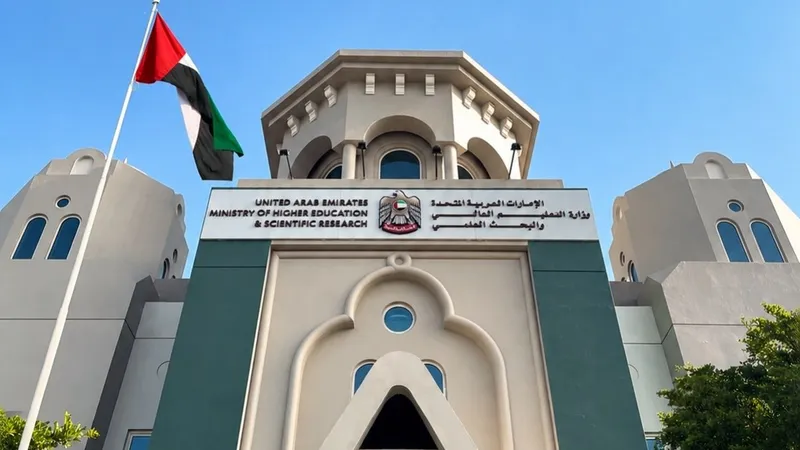
The UAE will introduce new higher education regulations from September 12, 2026, establishing a unified framework for addressing violations, determining penalties and implementing administrative measures at universities, technical and vocational education institutions, and training centres.
The UAE Ministry of Higher Education and Scientific Research has approved the resolution. The new regulations cover licensing and accreditation, data accuracy, academic integrity, examination security, practical training, educational advertising, and health, safety and environmental requirements.
The framework aims to clarify the obligations of educational institutions and standardise procedures for addressing violations across all entities supervised by the ministry.
Graduated Response to Education Violations
Under the new regulations, penalties will take into account the nature and severity of a violation, as well as whether it has been repeated.
This approach will allow educational institutions to rectify violations and improve compliance before more serious measures are imposed. However, proportionate penalties and administrative measures may be applied to violations affecting education quality, academic integrity, or the rights of students and trainees.
Dr Ahmad Sultan Al Shuaibi, Undersecretary at the UAE Ministry of Higher Education and Scientific Research, said the country’s higher education and scientific research sector is undergoing a major transformation aimed at strengthening the legal and regulatory environment and establishing an integrated system that balances flexibility with effective governance.
He said the new framework would clarify responsibilities and procedures, improve institutional compliance, promote best practices and enhance the quality of educational services, ultimately increasing confidence among students and the wider community in the higher education system.
Which Violations Are Covered by the New Regulations?
The new framework covers a broad range of regulated areas, including licensing and accreditation, the accuracy of information and data, monitoring and assessment requirements, academic integrity, examination security, practical training, university and educational advertising, and environmental, health and safety requirements.
The ministry said clearer requirements could encourage institutions to adopt a proactive approach to compliance while improving the efficiency of oversight across the higher education sector.
Protecting Students When Institutions Violate Regulations
One of the most significant aspects of the new regulations focuses on protecting students and trainees.
If regulatory action is taken against an educational institution found to be in breach, the institution will be required, where necessary, to ensure the continuity of educational services and safeguard students’ academic records.
Institutions may also be required to protect students’ financial rights, refund tuition fees or other payments collected without entitlement, and take the necessary steps to resolve the status of affected students.
The regulations are intended to ensure that legal action against an educational institution does not disrupt students’ or trainees’ studies or undermine their financial rights.
Institutions Can Appeal Penalties
The new regulations also establish a formal mechanism allowing educational institutions to appeal decisions, penalties and administrative measures.
A specialised committee formed by the ministry will review institutional appeals in accordance with defined procedures. The mechanism is intended to ensure that cases are reviewed independently and fairly.
Coordination between the Ministry of Higher Education and local education authorities will also be strengthened while preserving the jurisdiction of each entity, helping to prevent duplicated procedures or overlapping penalties.
UAE Higher Education Reforms Continue
The resolution forms part of a broader package of legislative and administrative reforms covering higher education and scientific research in the UAE.
Other measures include a national licensing framework for higher education institutions, updates to scholarship programmes, standardised assessment fees for higher education and technical and vocational education institutions, and an integrated framework governing fees and financial guarantees for ministry services.
Together, the reforms aim to create a more transparent, flexible and efficient regulatory environment and advance the UAE’s higher education system, enabling it to support national talent and respond to the future needs of the labour market and the country’s development.