
UAE doctors warn ‘glass skin’ trend could harm children using adult skincare products
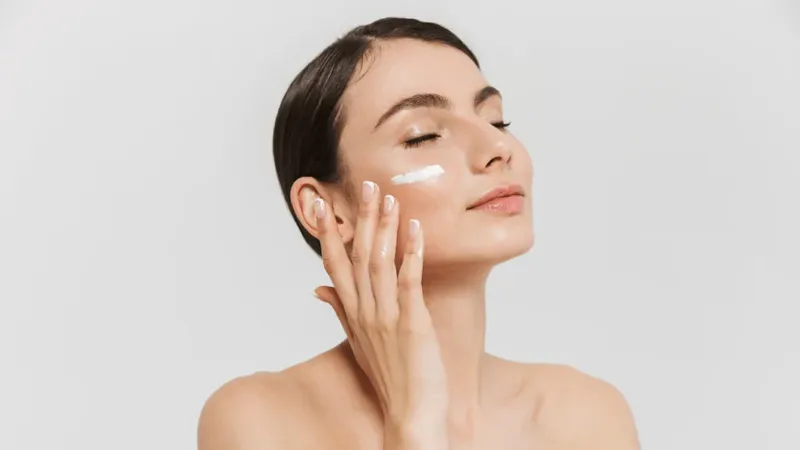
Dermatologists in the UAE have warned about the growing “glass skin” trend among children and teenagers, saying the premature and improper use of skincare products and active ingredients can damage the skin’s protective barrier and have long-term consequences.
The growing influence of beauty standards on social media has prompted children at increasingly young ages to adopt complex skincare routines, many of which are designed for adult skin.
Some social media videos show girls as young as seven following multi-step skincare routines, raising concerns about the pressure on children and teenagers to achieve flawless, glowing and apparently poreless skin.
The phenomenon is closely linked to the so-called “glass skin” trend, a term used to describe smooth, clear, radiant and exceptionally even skin.
Experts say pursuing this appearance can lead children and teenagers to use products that are unsuitable for their age and skin type.
An article titled “Pediatric Skin Care Routines on TikTok,” published in the journal Pediatrics, also highlighted the rise in videos featuring complex skincare routines among young girls. Researchers warned that such content could influence children’s skincare habits.
Dr Vijayeeta Jairath, a dermatologist at NMC Royal Hospital DIP in Dubai, said children and teenagers are increasingly influenced by online beauty ideals without always understanding the potential consequences of following routines intended for adults.
She stressed that while healthy, glowing skin is desirable, it should not come at the expense of skin health.
Children’s and teenagers’ skin is naturally more sensitive and generally does not require the intensive care and treatments promoted on social media, she said.
Frequent or excessive use of active ingredients such as alpha hydroxy acids (AHA), beta hydroxy acids (BHA), retinol and high-concentration vitamin C can cause irritation, redness, dryness, peeling and increased skin sensitivity.
Risk of damage to the skin barrier
Dermatologists warn that excessive exfoliation and the improper use of active ingredients can weaken the skin’s natural protective barrier, in addition to causing short-term irritation.
This barrier plays a vital role in retaining moisture and protecting the skin from environmental irritants. When damaged, the skin can become more vulnerable to inflammation, dryness and sensitivity.
Dr Jairath said the excessive use of potent skincare ingredients could disrupt this defence mechanism and, in some cases, trigger or worsen acne, eczema and post-inflammatory hyperpigmentation.
Dermatologist Dr Charandeep Kaur also warned that frequent and aggressive exfoliation can seriously damage the stratum corneum.
The stratum corneum is the outermost layer of the epidermis and is essential for retaining moisture and protecting the skin from irritants and allergens.
Damage to this layer can cause the skin to react more severely to dust, temperature changes, heat, cold, chemicals and allergens, she said.
Possible symptoms include itching, dryness, redness, tightness and increased sensitivity.
Children do not need complex skincare routines
Experts stress that children and teenagers should not feel compelled to follow complex routines or use products designed to address adult skin concerns.
Dr Jairath said skincare should be based on individual needs rather than social media trends.
She added that active ingredients can be beneficial when used correctly to address specific skin concerns, but should not become a regular part of a child’s or teenager’s routine without professional advice.
Experts say the main goal should be to maintain healthy skin rather than pursue unrealistic beauty standards.
Expert advice for parents
Dr Raihan Ashraf, a dermatologist at Aster Day Surgery Center in Mankhool, said age-appropriate skincare should focus on protecting the skin rather than using multiple specialised treatments.
She said children and teenagers generally need only a simple routine consisting of gentle cleansing, moisturiser and sunscreen.
Active or specialised treatments should be used only on the advice of a dermatologist to ensure the product is suitable for the individual’s age and skin type, she said.
She also warned that some potent ingredients, including steroids and hydroquinone, should be used only for specific medical conditions and under a doctor’s supervision, as improper or prolonged use can cause skin complications.