
Dubai Bourse Erases All War Losses With 14% November Surge
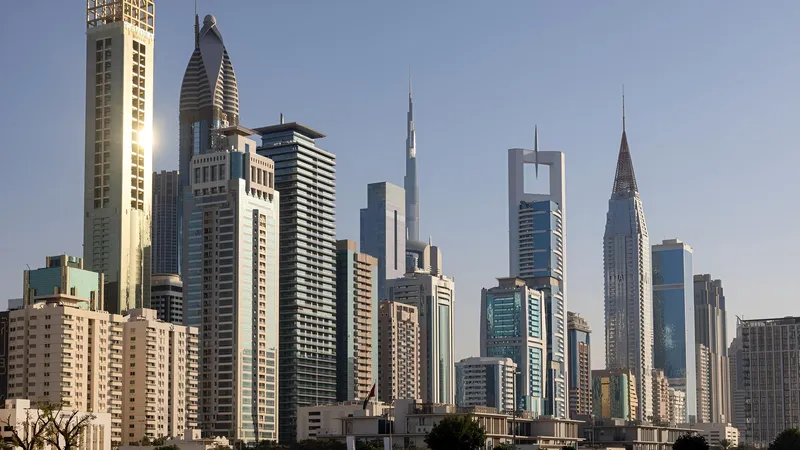
The Dubai Financial Market General Index rose 1.4 per cent to 6,575 points on Friday, 27 November 2026, surpassing its pre-conflict level for the first time since the regional war began on 28 February. The index’s nearly 14 per cent gain since the start of November has transformed Dubai from the Gulf’s weakest stock market into its second-best performer this year after Oman.
In the final trading session of the week, the index surpassed the 6,503.5 points recorded on 27 February, the last session before the conflict began. November’s surge has put the index on track for its biggest monthly gain since April 2020, lifting Dubai’s year-to-date return in 2026 to about 7.6 per cent. By contrast, the Abu Dhabi market remains around 3 per cent below its pre-war level.
Dubai’s index fell sharply after the war began, dropping below 5,300 points on 16 March, nearly 19 per cent lower than its 27 February level. A partial recovery in the second quarter following the April ceasefire proved short-lived, with the index retreating to about 5,707 points on 23 October. Bloomberg reported that the latest rally began on 4 November, the first trading session after the US midterm elections, amid growing hopes of easing tensions between Washington and Tehran.
Since the conflict began, the Dubai Government has introduced two economic support packages worth a combined AED 2.5 billion, including waivers of certain government fees and deferred payments, to ease financial pressure on businesses. Kato Mokoro, an analyst at Cantor Fitzgerald who recommended buying UAE bank shares in March, said government measures and spending exceeded expectations and offset foreign capital outflows. He added that residents who had left Dubai during the war had also returned.
According to Khaleej Times, banking and property stocks have led the market rally, while stronger earnings at major companies have also boosted investor confidence. Emaar’s pre-tax profit, for example, rose 18 per cent to AED 19.8 billion in the first nine months of the year. Trading data also showed that net foreign purchases of shares on the Dubai market have reached AED 957 million since the beginning of November.
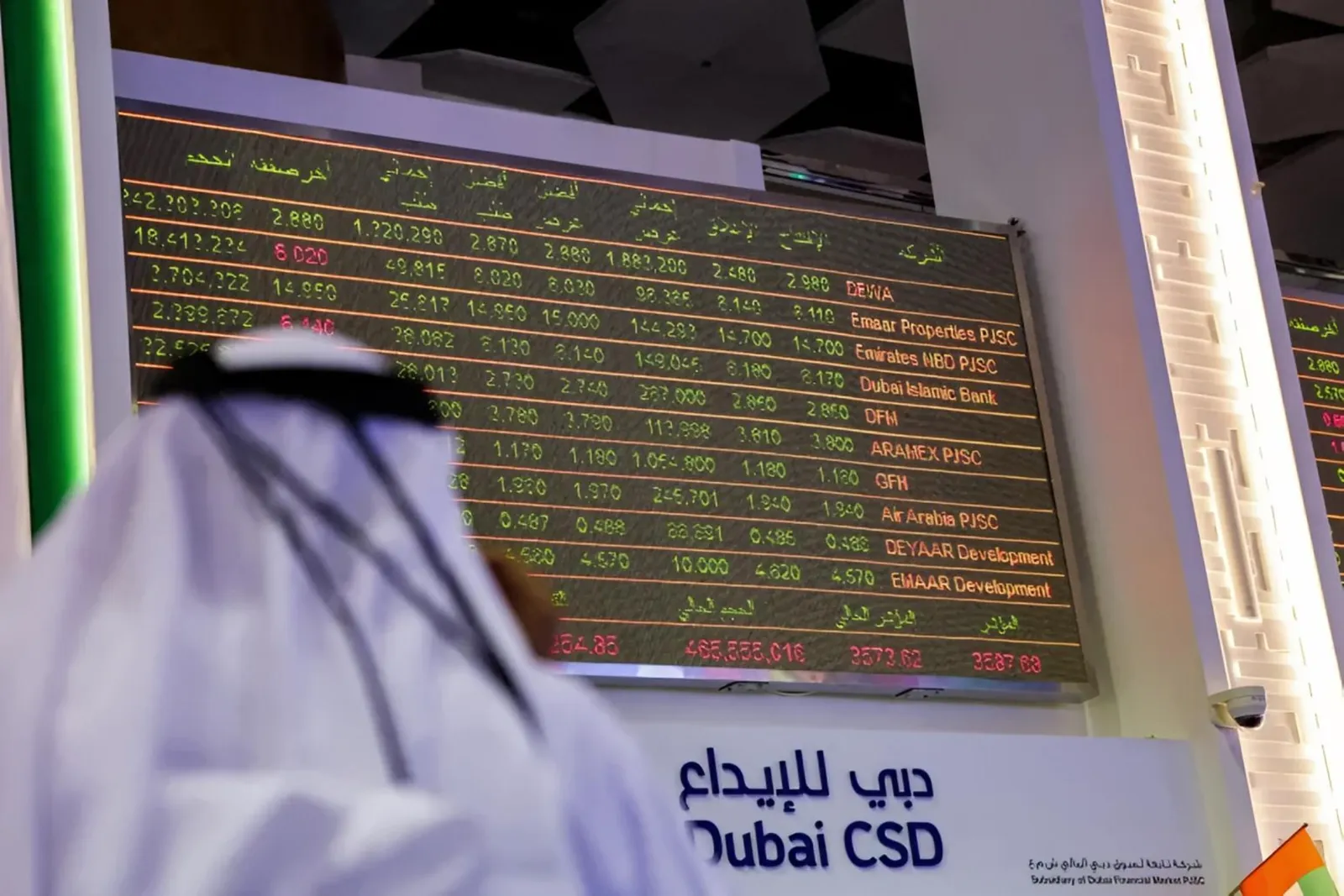
Following these developments, major Wall Street banks have upgraded their outlook for the UAE equity market. On November 17, JPMorgan raised its recommendation on the MSCI UAE Index from “neutral” to “overweight”, citing an improved corporate earnings outlook and the return of foreign investment. It described the UAE market as inexpensive and more resilient than previously estimated.
About a week later, Morgan Stanley also upgraded UAE equities to “overweight”, reporting that Dubai’s population in October was 2.4 per cent above its pre-war peak, while rental contract registrations and vehicle traffic had increased. However, Dubai’s economy continues to face some of the war’s repercussions. The emirate’s gross domestic product fell 2.3 per cent year on year in the first half of 2026, and Morgan Stanley said the tourism sector remained weak. Nevertheless, the bank believes the market has further upside potential if tensions ease, given its relatively low valuations.
Vijay Valecha, chief investment officer at Century Financial, took a more cautious view, stressing that the current position represents “a full recovery of war-related losses, not a return to the peak”. Dubai’s stock market index had climbed to around 6,785 points in February, several weeks before the conflict began. Valecha believes a sustained rally will depend on a renewed rebound in property sales.
The outlook remains dependent on geopolitical developments. JPMorgan said a further strengthening of foreign capital inflows in 2027 would hinge on corporate earnings growth and no escalation in the conflict. Mokoro also warned that if peace is established and some government support measures are withdrawn, the market’s growth momentum could slow. Meanwhile, US President Donald Trump told Fox News on Sunday, November 22, that if negotiations failed, he would be inclined to resume military strikes on Iran after the start of the new year.