
Gargash: UAE-Iran Meeting Opens ‘Path for the Future’ Despite Differences
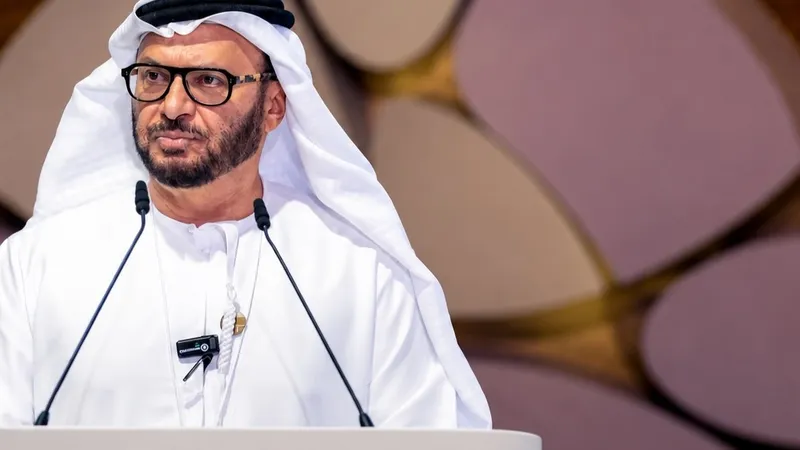
Anwar Gargash, diplomatic adviser to the UAE President, said a recent meeting between senior UAE and Iranian officials in New Delhi had opened an important channel for dialogue on de-escalation and the future of bilateral relations, despite continuing disagreements. He made the remarks on Thursday at the Arab Media Summit in Dubai.
Gargash was referring to a September 12 meeting between Sheikh Khaled bin Mohamed bin Zayed Al Nahyan, Crown Prince of Abu Dhabi, and Iranian President Masoud Pezeshkian on the sidelines of the BRICS summit in New Delhi. According to the official account of the meeting, the two sides discussed regional and international issues and emphasised de-escalation, regional stability, and opportunities for peace and development.
Gargash said the meeting did not mean Abu Dhabi and Tehran agreed on every issue, but that it had created space to address their differences and explore the future of bilateral relations. He described the UAE’s approach as a combination of deterrence and diplomacy, saying geographical proximity made engagement with Iran essential, while rebuilding trust would require practical action and time.
The UAE President’s adviser also described Pezeshkian’s stance during the recent regional crisis as “balanced and rational”. During the BRICS summit, Pezeshkian said Tehran had no issue with the UAE and highlighted the history of relations, trade and coexistence among countries in the region.
Gargash said restoring normal economic and commercial relations, including trade, flights and access to markets and ports, would require continued dialogue. However, he stressed that reopening communication channels was not the same as restoring trust. On August 19, the UAE government announced that trade, commercial exchanges and financial transactions with Iran had been suspended until further notice.
He also called for a regional framework based on respect for national sovereignty, non-interference and the security of trade routes. He said the UAE believed lasting stability should be pursued through diplomacy, state institutions and confidence-building measures.