
Jebel Jais Records UAE’s Lowest Temperature at 10.3°C; Country’s Coolest Areas Revealed
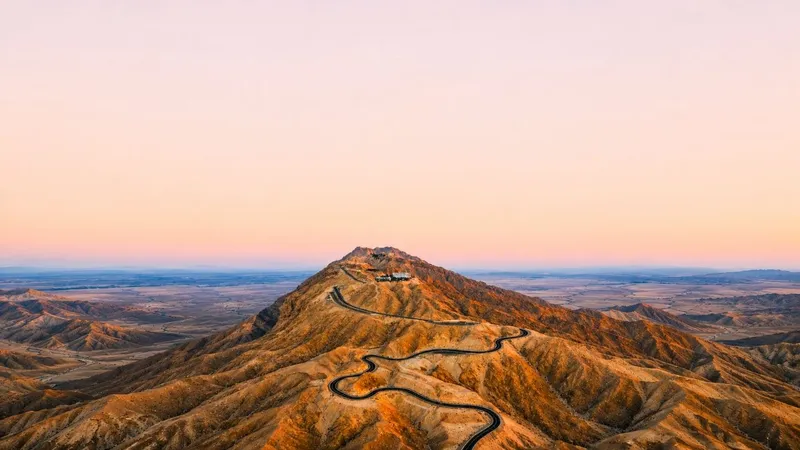
As temperatures gradually fall across the UAE and winter approaches, Jebel Jais in Ras Al Khaimah became the country’s coldest location early on Saturday, November 21, 2026, recording 10.3°C. At the same time, the UAE’s mountains, deserts and natural wadis are becoming popular destinations for winter excursions as the weather cools.
According to the UAE’s National Centre of Meteorology (NCM), the country’s lowest temperature on Saturday morning was recorded at 12.15am on Jebel Jais in the emirate of Ras Al Khaimah.
Jebel Jais, part of the Hajar Mountains and standing 1,934 metres above sea level, is among the coldest places in the UAE and has repeatedly recorded very low temperatures during winter.
Meteorological records show that the UAE’s lowest temperature recorded in November was 4.1°C at Jebel Jais in 2009. The temperature there also fell to 3.5°C in December 2025.
The UAE’s all-time cold record dates back to February 2017, when the temperature on Jebel Jais dropped to -5.7°C and snowfall was reported in the mountainous area.
According to the official Jebel Jais guide, night-time temperatures in the area, particularly in December and January, can range from 0°C to 10°C.
The UAE’s coldest mountain areas
In addition to Jebel Jais, several other mountain areas are regarded as some of the UAE’s colder locations and popular winter tourism destinations.
Mebreh Mountain in Ras Al Khaimah is among the areas where temperatures fall as winter approaches. On October 26, 2026, it was the coldest place in the UAE, recording 16.9°C.
Jebel Al Rahba in Ras Al Khaimah is another elevated area that regularly appears on the list of the country’s coldest locations. Temperatures there have fallen to 9.4°C during winter.
Hatta in Dubai is also a popular winter tourism destination because of its location in the Hajar Mountains. The surrounding mountains, Hatta Dam and nature trails are among the area’s main attractions.
Masfout in the emirate of Ajman has a cooler climate because of its higher elevation compared with other parts of the emirate. It is a well-known destination for hiking, nature excursions and picnics.
Ras Al Khaimah’s natural wadis: A winter destination
The UAE’s mountain wadis also offer more favourable conditions for outdoor activities as temperatures fall during the colder months.
Wadi Shawka in Ras Al Khaimah is a well-known destination for hiking and cycling. Its mountain trails and dam, built in 2001, are among the emirate’s natural attractions.
Wadi Naqab also features several hiking trails, including one that passes a cave inhabited by bats. Like other wadis, the area is at risk of flash flooding during rainfall.
Wadi Ghalilah, about a two-hour drive from Dubai, is known for its towering cliffs and mountain trails. Some of its more challenging routes are better suited to experienced climbers.
Wadi Aasimah also has an off-road route stretching about 16.8 kilometres. It begins in Al Ghayl village and passes small villages, pools and traditional irrigation channels. A four-wheel-drive vehicle is required to complete the route.
Raknah and other inland areas record temperatures near and below freezing
Alongside mountainous areas, some inland and desert locations in the UAE also experience significant temperature drops on winter nights and in the early morning.
Raknah in Al Ain regularly ranks among the UAE’s coldest locations each day.
The temperature there fell to 9.8°C on November 9, 2025, and 4.9°C on December 9, 2024. On January 9, 2021, Raknah recorded -2°C at 5.15am.
Jebel Hafeet near Al Ain, standing about 1,249 metres above sea level, is another high-altitude location well known for winter tourism.
Damtha in the Al Ain area has also repeatedly appeared on the list of the UAE’s coldest locations. At 6.45am on December 9, 2024, the temperature there fell to 7.7°C, the country’s second-lowest reading that morning.
In the Al Dhafra Region, Mezaira'a in the Liwa Desert is also among the cooler locations during the early hours of the day. The temperature there fell to 11.7°C in mid-November 2025.
Fossil Rock, also known as Jebel Mleiha, in Sharjah and Al Qudra in Dubai are other popular destinations for winter excursions, camping and stargazing.
Warnings over night-time cold and flash-flood risks in wadis
Despite the more favourable weather for outdoor activities, visitors are advised to check the latest forecasts and warnings from the UAE’s National Centre of Meteorology before travelling to mountain and desert areas.
Temperatures in the mountains and desert can fall rapidly at night, making warm clothing, blankets and sufficient water essential for winter trips.
Natural wadis can also be hit by flash floods when rain falls at higher elevations, even if skies appear clear where visitors are located. People should therefore avoid entering wadi beds when rain is forecast and follow official weather warnings.