
Dubai Airports CEO: Passengers May Not Need to Carry Passports Within Five Years
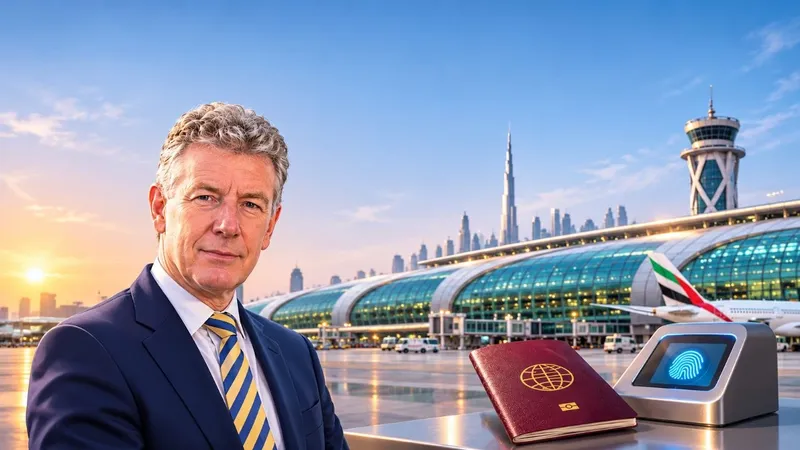
Paul Griffiths, CEO of Dubai Airports, has predicted that advances in biometric identity verification could eliminate the need to carry physical passports on international journeys within the next five years. However, achieving this vision will depend on cooperation among governments, airlines and airports.
In a LinkedIn post about the future of international travel, Griffiths said reliance on physical documents for airport procedures no longer reflects the capabilities of today’s technology.
He wrote: “I know many travellers enjoy collecting travel stamps in their passports, but from a technological perspective, carrying a physical booklet for air travel is an outdated and obsolete practice.”
The Dubai Airports CEO added: “We have the ability to verify people’s identities using biometric technology, yet we still ask passengers to present their documents repeatedly at different stages of their journey to confirm who they are.”
Moving Towards International Travel Without Physical Passports
The transition to digital systems and reduced reliance on paper documents has already begun at several major airports worldwide, including Dubai International Airport (DXB).
At DXB, smart gates and facial recognition technology have streamlined and accelerated passport control for millions of passengers.
However, Griffiths stressed that expanding these technologies internationally would require cooperation among governments, airlines and airport operators.
He said the main challenge is connecting the systems used by these organisations and establishing common standards for recognising and accepting digital identities across international borders.
Griffiths explained that such cooperation could first allow passengers to pass through airport controls without presenting a passport and, eventually, remove the need to carry a physical passport altogether.
He also noted that countries would adopt digital identities at different rates, further underscoring the need to accelerate international cooperation.
Using Digital Identities for Hotels and Tourism Services
The Dubai Airports CEO believes an integrated digital identity could be used beyond passport control and border procedures, extending to other travel and tourism services.
He said travellers could eventually use a single digital identity to cross borders, collect rental cars and check into hotels.
Griffiths explained that such a system could reduce the need for travellers to repeatedly present identification documents at different stages of their journey.
He added: “Ultimately, our passengers will spend less time proving who they are and have more time to enjoy their journey. Achieving this goal will depend on collaboration across the aviation and tourism industries.”
Technology Is Ready, but Regulatory Alignment Remains the Key Challenge
Griffiths stressed the need for greater cooperation across the aviation and tourism sectors, saying the main obstacle to widespread adoption of digital identities was insufficient alignment between countries’ regulations and standards, rather than technological limitations.
He said: “The technology is ready. How quickly we can make it part of everyday life largely depends on us.”
Commenting on the future of physical passports, the Dubai Airports CEO concluded: “Your passport has an expiry date. I believe the need to carry it will one day expire as well.”
However, Griffiths’ comments do not constitute an official decision to phase out physical passports within the next five years. Rather, they reflect his prediction for the future of international travel. Achieving this vision will depend on developing shared infrastructure, adopting digital identities and aligning laws and regulations among countries.