
ADNOC Ships UAE and Neighbouring Countries’ Oil Through Strait of Hormuz Despite Ongoing Attacks; Buys Iraqi Crude at Discounts of Up to $27
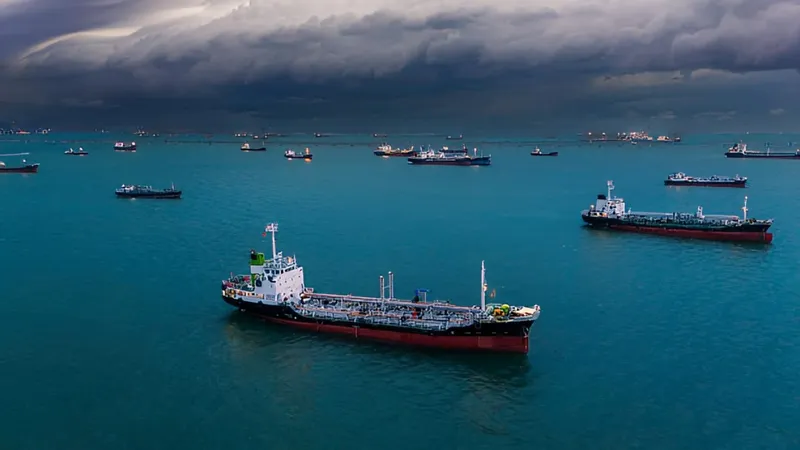
A network of 141 tankers is transporting oil from the UAE and neighbouring countries out through the Strait of Hormuz using continuous shuttle runs. ADNOC pioneered the method and has continued despite repeated attacks on its vessels. Shipbroker BRS estimated the fleet’s size, while executives at ADNOC’s shipping arm said on Thursday, November 12, that attacks had intensified over the previous two weeks.
Under the method, known in the market as shuttle transport, tankers load crude oil and refined products at terminals west of the strait, make the short passage through it—often with their tracking systems switched off—and transfer the cargo to other vessels in the Gulf of Oman or off India’s west coast. According to BRS, 72 per cent of the vessels are very large crude carriers, while the turnaround time for each shuttle run has fallen from 25 days in August to 14 days. Bloomberg reported that ADNOC has used the method for its exports since April, while Lloyd’s List described the company as a pioneer of the practice.
Captain Abdulkareem Al Masabi, chief executive of ADNOC Logistics and Services (ADNOC L&S), told analysts on a conference call that, in addition to fulfilling ADNOC contracts, the company’s fleet also loads cargoes for other parties in neighbouring countries. Reuters reported on Tuesday, September 15, citing Iraqi sources, that ADNOC’s trading arm was the largest buyer of Iraqi oil in August and September, purchasing it at discounts of $18 to $27 a barrel.
Bloomberg reported on Monday, November 2, citing tanker-tracking data, that crude oil exports from Saudi Arabia, the UAE, Iraq and Kuwait rose by 10 per cent in October to 15.53 million barrels per day, nearly matching levels at the start of the year. The UAE accounted for 3.74 million barrels per day, its highest level since July. The news agency said tanker shuttle runs had helped restore oil flows through the strait.
Hugh Baker, chief financial officer of ADNOC’s shipping arm, told the same call that the number of attacks on the company’s vessels had reached about 20 and that they were occurring “regularly”, although “very few” vessels had been put out of service. ADNOC said on Friday, August 7, that one crew member had been killed and 20 others injured in the attacks. Iran considers the southern route through the strait, used by tankers with US military support, to be “unauthorised”. The Iranian Armed Forces said four tankers were hit by explosions in the strait on Wednesday, November 11, and the following afternoon. Reuters said it could not independently verify the account.