
Oil Exports Through Strait of Hormuz Hit Pre-War Record Despite Tanker Attacks
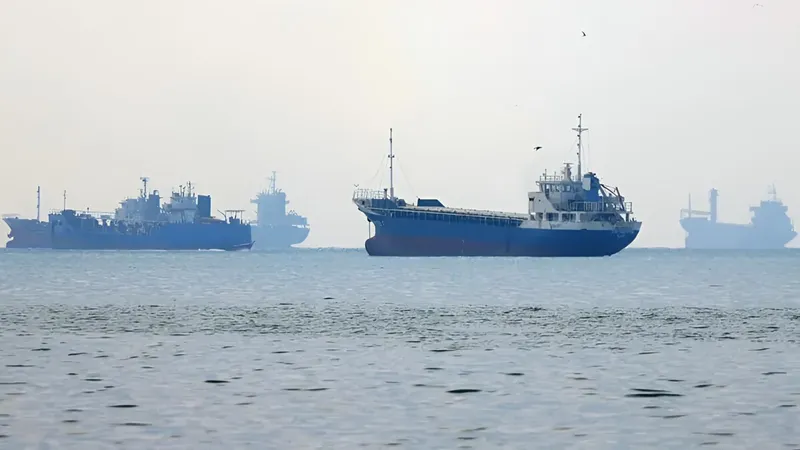
The latest vessel-tracking data released on Monday showed that Middle East crude oil exports in the final week of September rose above pre-war levels, even as attacks on ships transiting the Strait of Hormuz continued.
According to data from vessel-tracking company Kpler, the region’s crude oil exports exceeded the pre-war average in the final week of September.
Exports during the period ranged from 19.5 million to 22.5 million barrels per day. The region’s average exports from March 2025 to February this year, before the start of the US-Israeli war with Iran, were estimated at around 18 million barrels per day.
The seven-day moving average for crude oil exports reached 18.5 million barrels per day as of October 1. The figure includes shipments through the Strait of Hormuz and the Red Sea, loadings from terminals, and ship-to-ship oil transfers in the Gulf of Oman.
Including crude oil, petroleum products, chemicals and natural gas liquids, average exports reached 22.4 million barrels per day in the seven days ending September 30. The number of liquefied natural gas cargoes leaving through the Strait of Hormuz also increased in September, reaching its highest monthly level since February.
Kpler noted that the data does not include vessels that may have passed through the strait after switching off their automatic identification systems.
Before the war began, around 125 large commercial vessels transited the Strait of Hormuz each day. These included oil tankers, gas carriers, bulk carriers and container ships, transporting about 20 per cent of the world’s daily crude oil and liquefied natural gas supply.
Attacks on Ships
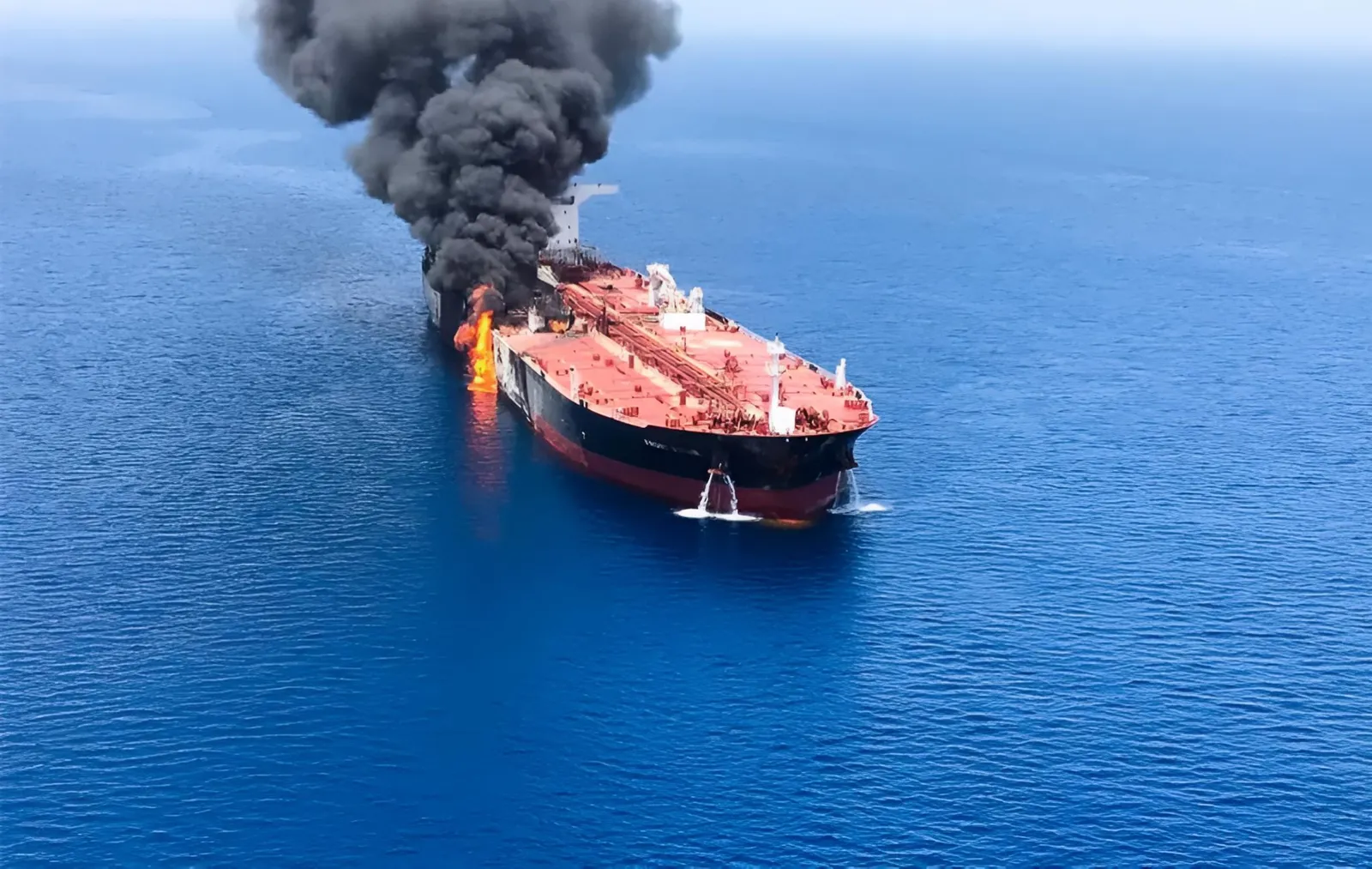
Attacks on oil tankers in and around the Strait of Hormuz are continuing. Maritime intelligence firm Marisks recorded at least seven incidents in a report released on Saturday.
According to the report, the supertanker Kazemah 3 was struck by an unidentified projectile while transiting the strait on October 1, sparking a fire. Marisks said all crew members were unharmed and were subsequently evacuated from the vessel.
Kpler data showed that Kazemah 3 was last unloading two million barrels of Kuwaiti crude oil at Oman’s Port of Ras Markaz on September 17.
The United Kingdom Maritime Trade Operations agency also said that at least one attack a day had been recorded in the Strait of Hormuz or the Gulf of Aden since October 2.
Marisks warned that commercial vessels transiting the Strait of Hormuz face a military threat that is “more severe and increasingly unpredictable”. The company said the recent sharp rise in maritime traffic had also contributed to the situation.
The firm said current intelligence did not indicate that the pattern of recent incidents necessarily pointed to the deliberate targeting of specific commercial vessels.
Marisks believes Iranian forces may be firing missiles towards a predetermined area known as a “kill box”. In such a scenario, the weapons could detect and lock on to the radar systems of vessels within that area.
Marisks stressed that under this scenario, merely being physically present in the conflict zone at the relevant time could be the primary risk factor.
Source: Euronews