
Date harvest season begins in the UAE with 150 varieties and a thriving market
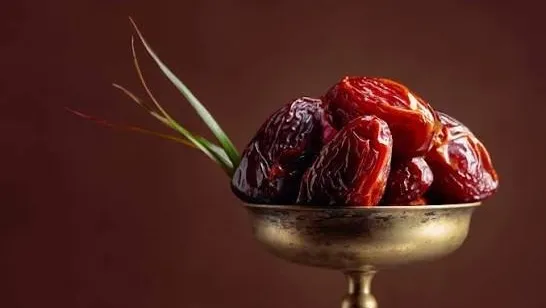
As the date harvest season begins in July, the UAE Ministry of Climate Change and Environment announced that the country is now home to 150 varieties of dates, a diversity that reinforces the UAE's position as one of the world's leading date producers.
In a video shared on the social media platform X, the ministry highlighted the start of the harvest season as a significant milestone in preserving palm cultivation, advancing date production, and enhancing the nation's food and agricultural security.
According to the Ministry of Climate Change and Environment, the date palm is an integral part of the UAE's agricultural heritage and continues to play a vital role in the country's agricultural economy and food identity.
Among the various types of dates produced in the UAE, nine varieties are particularly prominent and widely cultivated, including Fard, Barhi, Khalas, Sukari, Khenaizi, Sultana, Shishi, Zamli, and Abou Maan.
Khalas dates are renowned for their sweet flavor and golden-yellow hue, while Fard dates, closely associated with the Al Ain region, are distinguished by their cylindrical shape and dark brown color. The Abou Maan variety is another premium date that thrives in arid climates.
The ministry also identified Khenaizi dates as one of the finest mid-season varieties, extensively grown in the Liwa Oasis and surrounding areas. Dabbas dates are also among the most common varieties in the UAE, originating from the Liwa region in Al Dhafra.
In addition to boosting production, the UAE government is implementing programs to protect palm trees from agricultural pests, specifically the Red Palm Weevil, an invasive pest that threatens more than 40 palm species, including the date palm.
The ministry stated that through its research stations, it produces and distributes an average of 50 kilograms of pollen powder annually to farmers to support the pollination process and improve the quality of date production.