
Travel time on Dubai’s Oud Metha Road cut by 75%, from 20 minutes to 5
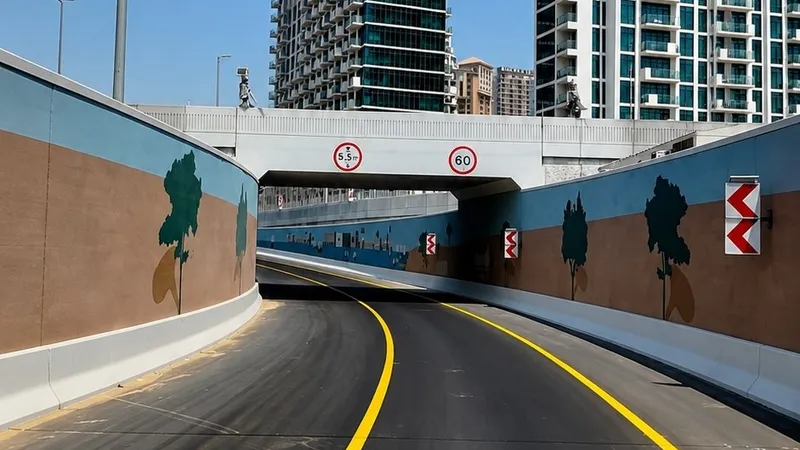
Dubai’s Roads and Transport Authority (RTA) announced on September 20 the completion of the Oud Metha Road and Al Asayel Street development project. The upgrade of four major intersections has reduced travel time along the route from 20 minutes to just five minutes.
The project has increased vehicle capacity in both directions by 50 per cent, from 10,400 to 15,600 vehicles per hour.
The project includes four bridges, two tunnels and 14 kilometres of roads. The bridges and tunnels have a combined length of 4.3 kilometres.
Increased capacity and reduced congestion at intersections
A key component of the project was the upgrade of the intersection between Oud Metha Road and Sheikh Rashid Road. The RTA added a new left-turn lane, increasing capacity from Oud Metha Road towards Sheikh Rashid Road and Al Garhoud Bridge to 1,800 vehicles per hour.
The number of right-turn lanes from Sheikh Rashid Road towards Oud Metha Road and Dubai-Al Ain Road was also increased from two to three, raising capacity to 4,000 vehicles per hour.
New bridges were also built near Al Asayel Street and Al Wasl Club Street to separate traffic flows and improve access to Al Khail Road and Business Bay Bridge.
🟠 New Bridges and Tunnels
Another part of the project adds a left-turn lane for vehicles travelling from Al Khail Road towards Dubai-Al Ain Road. The upgrade doubles capacity from 900 to 1,800 vehicles per hour.
The existing bridge from Al Khail Road towards Oud Metha has also been widened from two to three lanes, increasing capacity from 2,200 to 3,300 vehicles per hour.
A new tunnel also connects Dubai-Al Ain Road to the service roads serving Oud Metha and Al Wasl Club.
🟠 Improved Access to Residential Areas and Service Hubs
The development forms part of the wider Sheikh Rashid Corridor Development Project and will improve traffic flow in Zabeel, Al Jaddaf, Oud Metha and Umm Hurair.
Latifa Hospital and Al Wasl Club will also benefit from the new access routes. According to RTA estimates, the population in the areas served by the project will exceed 420,000 by 2030.
Overall, the development has increased traffic capacity by 5,200 vehicles per hour and reduced journey times by 15 minutes.