
UAE gold market: Jewelry demand declines as bullion and coin purchases rise
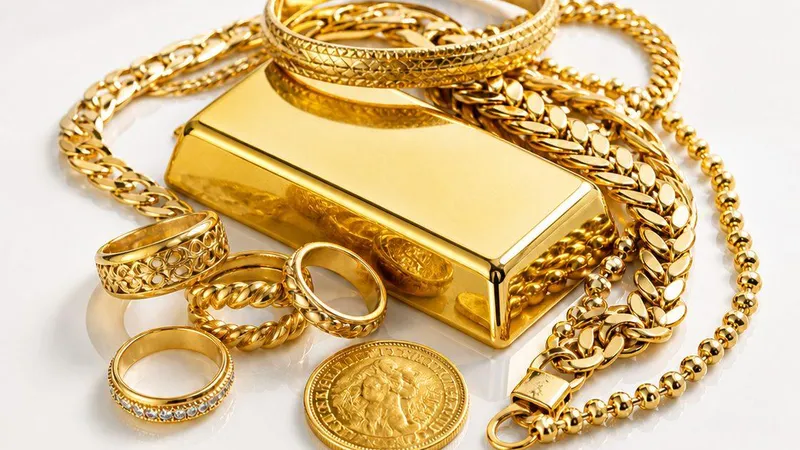
The World Gold Council has announced that demand for gold jewelry is likely to remain under pressure through the second half of 2026. High gold prices, inflationary concerns, and reduced consumer purchasing power have pushed jewelry demand to its lowest seasonal level since the pandemic.
Global Gold Statistics
According to the Q2 2026 Gold Demand Trends report, global jewelry demand fell to 278 tonnes. However, due to high gold prices, the value of spending on jewelry increased by 14 percent year-on-year to reach 40 billion dollars. Total global gold demand, including over-the-counter investment, was 1,269 tonnes during the quarter.
Middle East and UAE Status
In the Middle East, demand for jewelry remained weak. Saudi Arabia was one of the region's relatively resilient markets with an 8 percent annual decline. In the UAE, the jewelry market recorded an annual decline for the 14th consecutive quarter, and even the value of demand in dollar terms saw a decrease.
Impact of Tourism and Indian Demand
The UAE jewelry market is largely dependent on tourists, and regional tensions, including the conflict between the US and Iran, pressured sales by reducing traveler arrivals. However, a relative dip in prices and demand from Indian expatriates partially supported the market. An increase in gold import tariffs in India could also make gold purchases in the UAE more attractive for some buyers.
Growth in Bar and Coin Investment
In contrast to the weakness in the jewelry market, investment demand for gold remains strong. Geopolitical uncertainty and inflationary concerns have made gold more attractive as a safe-haven asset. In the UAE, investment in bars and coins increased by 30 percent year-on-year during the second quarter.
Market Outlook
The World Gold Council expects investment to be the most significant driver of demand growth for the remainder of the year, while the jewelry market will continue to face pressure from high prices and reduced consumer purchasing power.