
3,000-year-old tomb discovered in Al Ain; burial site for hundreds over a millennium
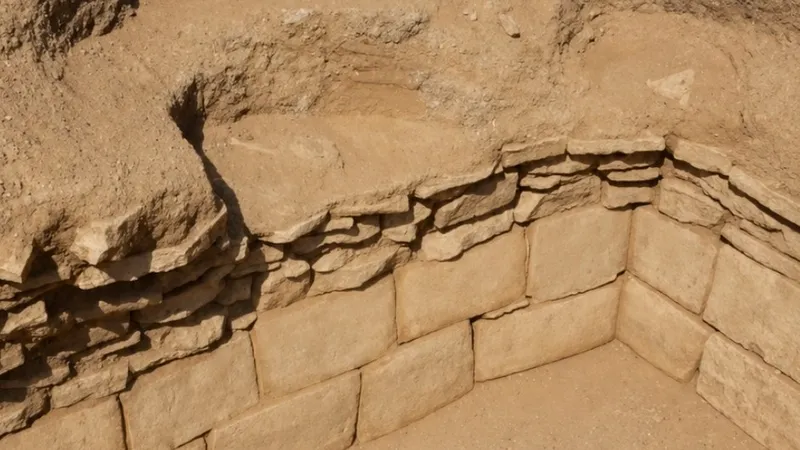
The Department of Culture and Tourism – Abu Dhabi has announced the discovery of a collective tomb dating back to the Wadi Suq period and the late Bronze Age in Al Ain. The underground structure served as a burial site for hundreds of people over a span of at least 1,000 years.
Located within the pre-Islamic Al Qattara cemetery, the tomb’s initial period of use dates back to approximately 2000 to 1300 BC. Archaeological evidence indicates that the site continued to be used for burials until the Iron Age.
Measuring approximately 11 metres in length and 2.5 metres in width, the structure is of particular significance due to its excellent state of preservation and construction technique. Portions of its walls were built using dressed stones repurposed from older Umm Al Nar funerary monuments, which date from approximately 2700 to 2000 BC.
The entrance to the tomb faces east, a design likely intended to allow sunlight to enter the interior during sunrise rituals. The entrance featured a stone door weighing more than 200 kilograms, which had been salvaged from an older structure and reshaped for use.
Archaeologists have discovered a collection of pottery, weapons, and personal ornaments alongside human remains inside the tomb. These findings are currently being examined by archaeology and osteology specialists from the Department of Culture and Tourism – Abu Dhabi.
DNA testing and isotopic analysis will be used to provide more detailed information regarding the diet, health, diseases, migration patterns, and trade networks of the region's ancient communities.
Abu Dhabi authorities announced that the discovered artifacts will be displayed in the emirate's museums following the completion of scientific studies. This discovery further highlights the significance of the Al Ain region as a UNESCO World Heritage site.