
Sheikha Bodour launches literary call for young people in 27 cities worldwide; submissions open until 28 February 2027
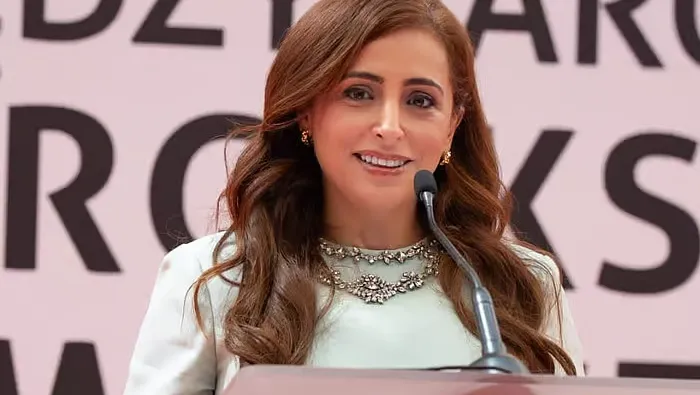
Young writers with ties to Sharjah or any of the other 26 cities associated with the UNESCO World Book Capital programme can submit their work to a new global literary initiative launched by Sheikha Bodour Al Qasimi.
The initiative, titled “Young Voices”, began accepting submissions on November 17, 2026. Writers aged 18 to 30 have until February 28, 2027, to submit original, unpublished work on the theme “My World, My Voice”.
Selected works will be published in the initiative’s first international anthology, scheduled for release in 2027. Successful writers will also receive editorial support and professional guidance throughout the publication process.
Sheikha Bodour Al Qasimi, UNESCO Goodwill Ambassador for Education and Book Culture, launched the initiative in support of the UNESCO World Book Capital programme. It aims to connect emerging writers across cultures, languages and generations.
Sheikha Bodour said: “Every generation deserves the opportunity to tell its own story. Through the theme ‘My World, My Voice’, we are inviting young writers to join a global conversation about who we are, what we value and the future we want.”
She added: “Books have always connected people across cultures and generations, and this anthology underscores the importance of fresh voices in keeping that conversation alive.”
Who can apply?
Applicants must be aged between 18 and 30 at the time of submission.
They must also live in one of the 27 participating cities, come from or have roots in one of them, or demonstrate a meaningful connection to one of the cities or its wider community.
The list includes Sharjah, Madrid, Alexandria, New Delhi, Beirut, Kuala Lumpur, Rio de Janeiro, Rabat and Medellín.
No previous publication experience is required, and first-time writers or those seeking to publish their work for the first time are welcome to apply.
Young people from communities underrepresented in publishing and literature are particularly encouraged to participate, including refugees, displaced young people, indigenous youth, people with disabilities and those living in rural, remote or underserved areas.
Writers may interpret the theme “My World, My Voice” through their personal experiences and address topics such as identity, belonging, cultural heritage, climate, education, technology, mental health, migration and social change.
They may also explore the challenges facing their generation or the future they hope to help shape.
What works can be submitted?
Works may be submitted in one of four languages: Arabic, English, French or Spanish.
Each applicant may submit only one original, unpublished work.
Accepted formats include short fiction, creative non-fiction, personal essays, memoir, reflective writing, letters to the future, poetry, and hybrid or experimental writing.
Short fiction, creative non-fiction, letters to the future and experimental works must not exceed 1,500 words.
For poetry, each applicant may submit up to three poems with a combined limit of 500 words. Shorter works are also accepted.
Applicants must also provide a brief biography of no more than 150 words, including their name, age, city and country, as well as an explanation of their connection to one of the UNESCO World Book Capital cities.
In addition, participants must submit a personal statement of no more than 250 words in response to the following question:
“Why does this story matter to you, and what do you hope readers will take away from it?”
Use of artificial intelligence must be disclosed
Under the submission guidelines, works must be written primarily by the applicant, and the use of generative artificial intelligence to produce a substantial portion of the work is strongly discouraged.
Anyone who has used artificial intelligence tools must disclose which tools were used, how and why they were used, and the extent of their use in preparing the work.
Submissions containing a substantial amount of AI-generated content may be rejected by the editorial committee.
How will submissions be assessed?
Regional reviewers and the editorial committee will assess submissions based on criteria including originality, the honesty and authenticity of the writer’s voice and narrative, storytelling strength, creativity, literary quality and relevance to the theme.
The final selection will also take into account the diversity of experiences and perspectives represented across the participating cities.
Selected works may be edited or translated in consultation and coordination with their authors.
Authors will retain ownership and copyright of their work, but selected writers will grant the organisers a non-exclusive licence to edit, translate, publish and promote the chosen works.