
Sharjah Police Warn Beauty Filters Can Steal Photos and Enable Blackmail
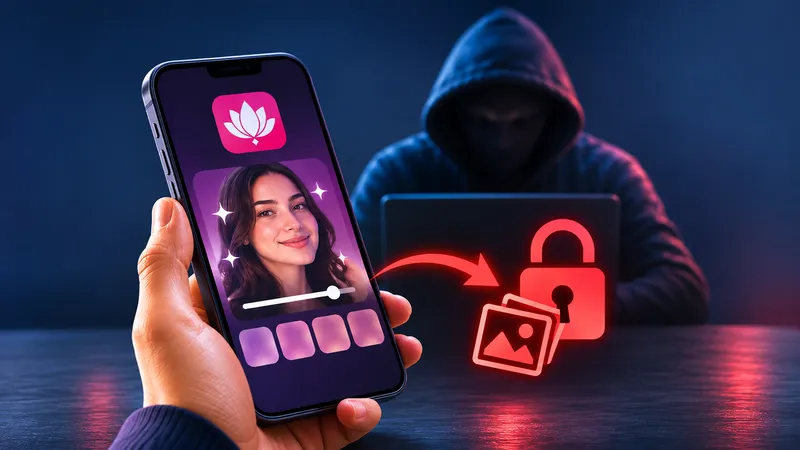
Sharjah Police, alongside legal and social experts, has warned of scams involving beauty filters on social media photo-editing and sharing apps. The warning follows a case involving a network that used such filters to steal the photos and personal information of influencers and celebrities in 14 countries before blackmailing them.
Emarat Al Youm reported on Friday, November 27, that the scam began with a beauty filter or an offer to verify an account and increase its follower count. Once victims used the filters, their photos and personal data were sent to the network’s servers without their knowledge or consent. The scammers then contacted them from foreign numbers and threatened to publish private photos unless they were paid. The same network would later approach victims posing as a company offering account protection or recovery of stolen photos, charging them to resolve a problem it had created. Gulf News reported that companies claiming to provide technical support also helped the network hack accounts and pressure victims.
Sharjah Police said the network operated behind an apparently legitimate e-commerce company offering account verification, follower growth and protection against hacking. To gain trust, it displayed its logo alongside those of official government entities. Women accounted for the majority of victims.
Lieutenant Colonel Saqr Ahmed, head of the Digital Crimes Section at Sharjah Police, told Sharjah TV’s Al Shurti programme in late October that the investigation began after a victim filed a complaint. Using advanced digital evidence, artificial intelligence and international law-enforcement cooperation, investigators tracked the network across 14 countries, identified its members and brought them to justice. He said specialist teams from the section’s Digital Intelligence Laboratory worked around the clock on the case. Police did not disclose the number or nationalities of those arrested, the countries involved, or the amount of money taken from victims.
Legal experts stressed that such conduct carries severe penalties in the UAE. Legal adviser Amira Al Suraidi said it constituted a breach of privacy and personal data, adding that paying a blackmailer offered no guarantee that the photos would be returned or kept from publication. She cited Federal Decree-Law No. 34 of 2021 on Combating Rumours and Cybercrimes. Lawyer and legal adviser Sara Al Baqishi, referring to Article 42 of the same law, said blackmail carried out through information networks is punishable by up to two years in prison, a fine of between AED 250,000 and AED 500,000, or either penalty. If the threat involves committing a crime or damaging a person’s reputation or honour and is accompanied by an explicit or implicit demand, the penalty may rise to up to 10 years in prison.
Sharjah Police urged the public not to pay blackmailers or negotiate with them, and not to trust companies offering account verification, follower growth, protection or account recovery services. Users should also carefully review permissions requested by apps to access photos, cameras and personal files. Anyone targeted by such networks should retain all digital evidence, including conversations, messages, bank account details, payment receipts and links, and report the case to the relevant authorities.