
Iranian Saffron and Pistachios Still Reach Dubai Despite Trade Suspension
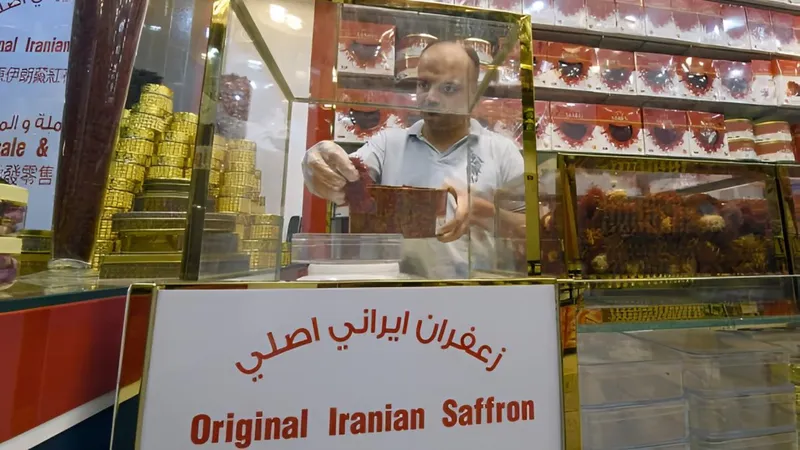
Nearly a month after the UAE announced a halt to trade and financial transactions with Iran, saffron, pistachios, almonds and other Iranian products remain on sale in Dubai’s traditional markets, underscoring the practical challenges of fully severing decades-old commercial ties across the Gulf.
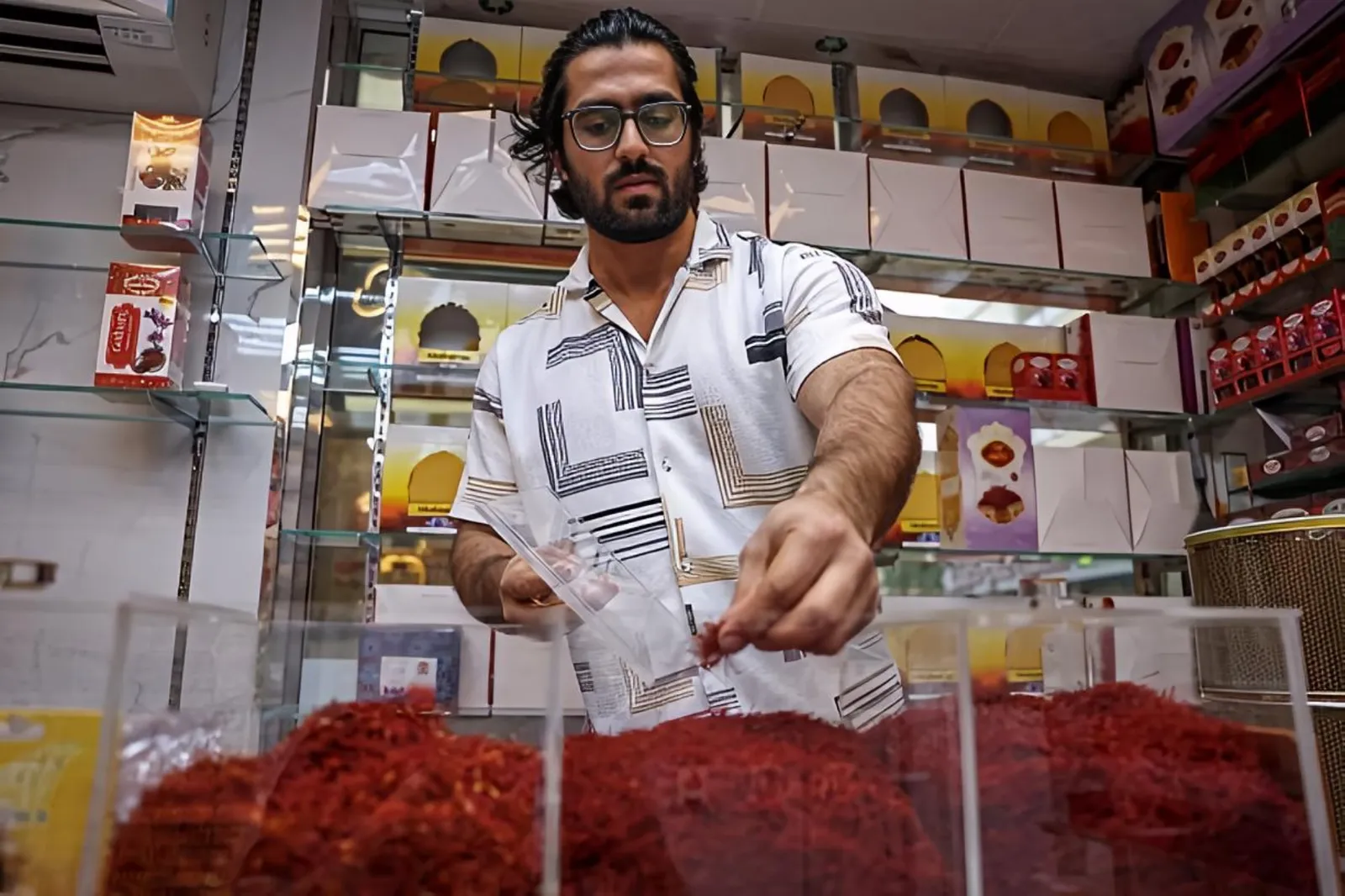
An AFP report from Dubai’s old markets found that although supplies of some Iranian goods have declined since the war began and prices of certain products have risen sharply, many traditional items, including various nuts, barberries and saffron, remain available to customers.
Morteza Asadi, the owner of a grocery store in Bur Dubai established by his father in 1963, told AFP that some Iranian products had become scarcer and others far more expensive, but most traditional food items were still reaching the market. Asked how the goods were entering the country, he said: “They get here. How? I don’t know, but they get here.”
Two Dubai wholesalers also told AFP that they were still sourcing goods from Iran, with some shipments reaching the UAE through Omani ports. One said exports from the UAE to Iran had been restricted, but some Iranian products continued to enter the country.
At a saffron shop in Deira, Iranian saffron is also being flown from Mashhad to Dubai following the resumption of flights.
The UAE Ministry of Foreign Affairs announced on August 19 that all activities, trade exchanges and financial transactions with Iran had been suspended until further notice, linking the decision to escalating regional tensions. As of September 16, no official announcement had been issued lifting the suspension.
However, the scale and nature of trade between the two countries make the full implementation of such a decision difficult. According to 2024 data, more than 30 per cent of Iran’s imports originated in the UAE, with a total value of around $21 billion. The UAE was also the destination for nearly 12 per cent of Iran’s exports, worth more than $7 billion.
A significant share of trade between the two countries has, for years, passed through re-export networks, free zones, intermediary companies and Dubai’s commercial infrastructure. This network has developed over decades and cannot easily be dismantled overnight.
Experts say previous periods of sanctions and restrictions have shown that closing official channels does not necessarily halt the flow of goods entirely. Trade may instead be redirected through longer and more expensive routes via other countries. Such a shift typically increases the number of intermediaries and transport costs, ultimately pushing up prices for consumers.
Meanwhile, there have been signs of efforts to ease tensions between Tehran and Abu Dhabi. Sheikh Khaled bin Mohamed bin Zayed Al Nahyan, Crown Prince of Abu Dhabi, met Iranian President Masoud Pezeshkian on September 12 on the sidelines of the BRICS summit in New Delhi. Both sides emphasised de-escalation and stronger regional stability, although the UAE has not yet announced any official change to its decision to suspend trade and financial transactions with Iran.
The continued presence of saffron, pistachios and other Iranian products on shelves in Dubai suggests that, at least in the short term, the main impact of the trade suspension may be to make their import routes more complex, lengthy and costly rather than causing Iranian goods to disappear entirely.