
Makkah Pact Enters Implementation Phase as Turkey, Pakistan Deploy Forces in Saudi Arabia to Counter Houthis
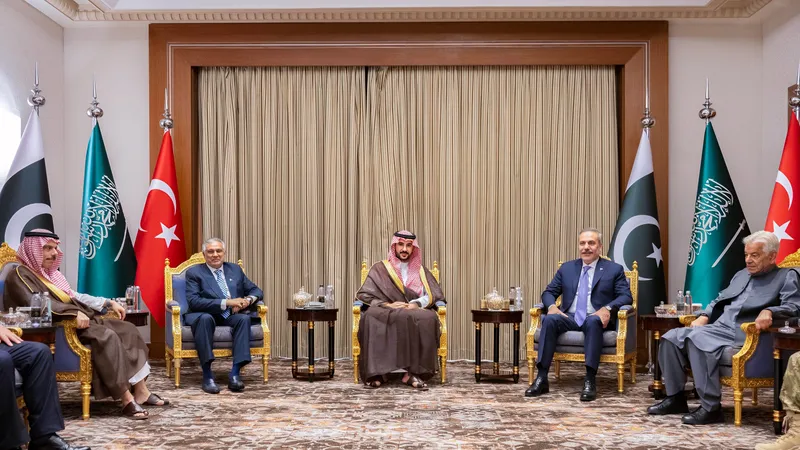
Saudi Arabia, Pakistan and Türkiye have agreed to immediately implement the collective defence commitments under the “Makkah Pact” following an escalation in Houthi attacks on Saudi territory. The move includes providing agreed military forces and capabilities and rapidly deploying them to Saudi Arabia. The decision coincides with the launch of the large-scale “Dawn of Yemen” operation against the Houthis.
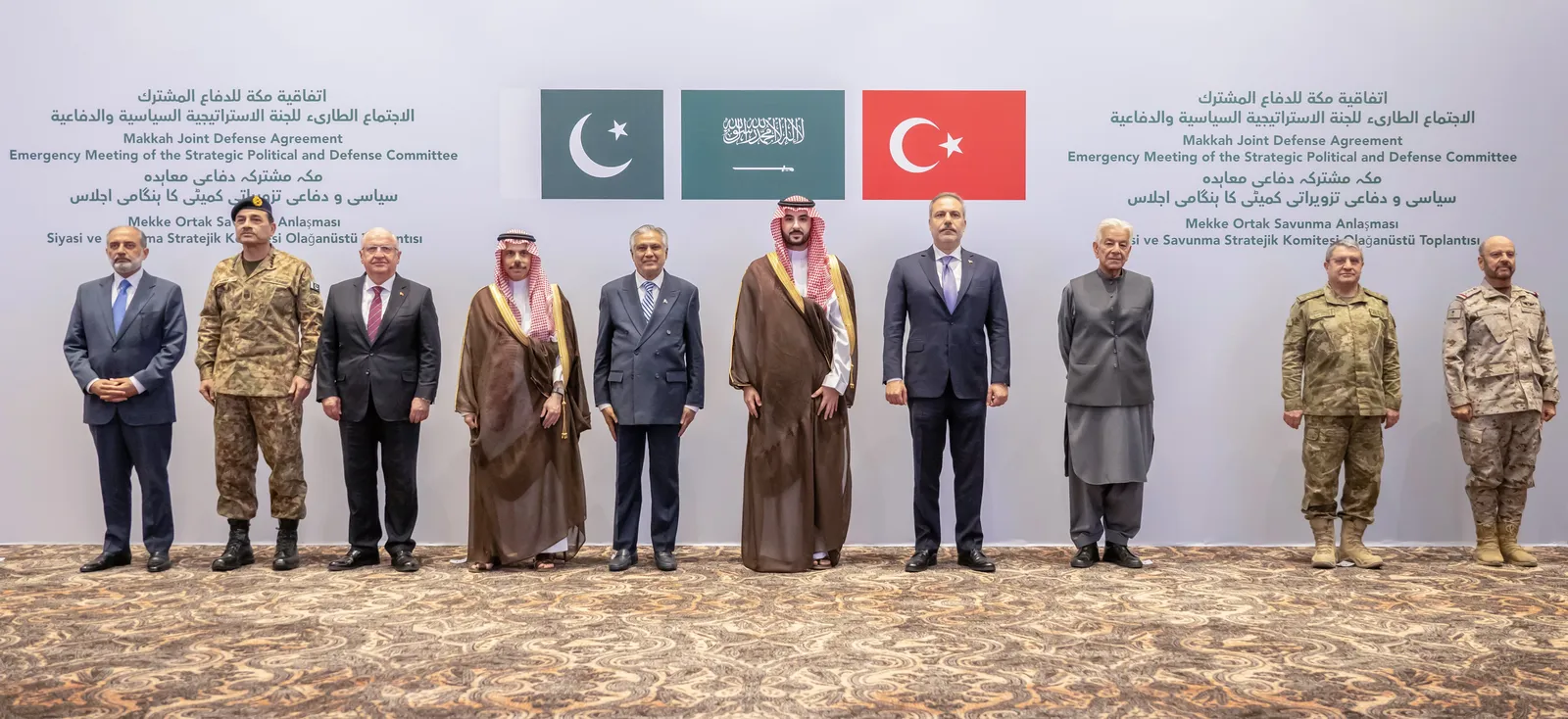
According to a joint statement issued by Pakistan’s Foreign Ministry, the decision was taken at an emergency meeting of the Makkah Pact’s Political and Defence Strategic Committee in Riyadh. The three countries said the practical implementation of collective defence commitments would begin “immediately”, with steps to provide the agreed military forces and capabilities and deploy them rapidly to Saudi Arabia. The type and number of forces, as well as the deployment timeline, have yet to be announced.
The statement said the deployment would be carried out under agreed arrangements and in accordance with the domestic laws of the three countries. It aims to enhance preparedness, military integration and their collective ability to respond to threats. Saudi Arabia, Pakistan and Türkiye also stressed that the security of each member is an integral part of their collective security.
Saudi Defence Minister Prince Khalid bin Salman said after the meeting that the pact’s members had agreed to activate “collective deterrence measures” in response to the attacks and those responsible for them. The three countries also condemned attempts to target Makkah and Madinah, as well as attacks on Saudi cities and civilian and economic facilities.
Turkish Foreign Minister Hakan Fidan said after the meeting that officials from the three countries had discussed the institutionalisation of the pact, developments involving Yemen and Saudi Arabia, and ways to resolve the crisis peacefully. Fidan said Türkiye’s defence minister and chief of the General Staff had also presented their views on military, operational and technical issues, as well as measures that could be taken in response to the current situation.
The decision comes as the Saudi-led coalition launched a large-scale air operation on Monday in support of Yemeni government forces. The coalition said 100 fighter jets took part in Operation Yemen Dawn, destroying 324 “high-value” Houthi targets.
Meanwhile, a Reuters investigation published on October 2 showed that Pakistan’s military cooperation with Saudi Arabia had extended beyond political support even before the latest decision. Sources told Reuters that Pakistan sent four cargo aircraft carrying air defence systems, light artillery, drones and counter-drone equipment to Aden last month. Pakistani military advisers are also assisting Yemeni forces alongside Saudi troops. A Pakistani official said between 30,000 and 40,000 Pakistani personnel were stationed in Saudi Arabia to defend its borders and counter missile and drone threats.
Reuters also reported that Turkish-made drones previously purchased by Saudi Arabia had been deployed in Yemen. However, its sources said Saudi Arabia’s allies were not expected to participate directly in combat operations inside Yemen. A Pakistani official also stressed that Islamabad had made no decision to deploy combat troops to Yemeni territory.
The latest decision under the Makkah Pact takes this cooperation a step further, formally approving the implementation of collective defence commitments and the provision of forces and military capabilities for rapid deployment in Saudi Arabia. However, no official statement has so far confirmed the direct participation of Pakistani or Turkish forces or fighter jets in Operation Yemen Dawn.
The committee also approved the appointment of retired Pakistani Lieutenant General Nauman Mahmood as the Makkah Pact’s first secretary-general for a three-year term. His appointment had previously been announced by the Pakistani government on September 23. The Saudi-Pakistani-Turkish joint defence pact was signed in Makkah on August 7 and stipulates that an armed attack on any one of the three countries will be considered an attack on all three members.