
UAE Ministry of Health Urges Annual Flu Vaccination, Warns of Serious Complications
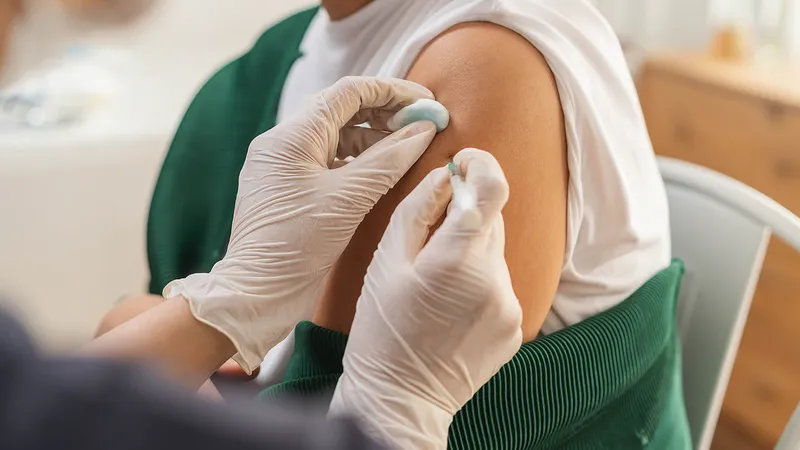
The UAE Ministry of Health and Prevention (MoHAP) has stressed the importance of receiving the seasonal influenza vaccine annually, urging residents to get vaccinated to prevent infection and reduce the risk of complications.
The ministry warned that influenza typically begins with symptoms such as fever, coughing, fatigue and muscle aches. However, it can lead to severe illness and hospitalisation in some people, particularly vulnerable groups.
According to MoHAP, vaccination can provide up to 90 per cent protection against symptomatic influenza in healthy adults and remains the most effective way to prevent infection, reduce the severity of symptoms and lower the risk of hospitalisation.
What is seasonal influenza and how does it spread?
MoHAP explained that seasonal influenza is an acute respiratory infection caused by influenza viruses. These viruses circulate more widely during certain times of the year, particularly in winter.
Influenza viruses belong to the Orthomyxoviridae family and are divided into three types: A, B and C.
The influenza vaccine is an inactivated vaccine containing viral particles that cannot cause illness. It is available to everyone aged six months and above at government and private healthcare facilities across the UAE.
Symptoms of seasonal influenza
Symptoms can range from mild to severe and usually resolve within a week without medical intervention. However, some patients may develop serious complications.
The main symptoms of influenza include:
• Fever and headache
• Fatigue
• Cough and sore throat
• Muscle and joint pain
• Runny nose
• Vomiting and diarrhoea, particularly in children
The incubation period averages two days but can range from one to four days.
The influenza virus spreads through respiratory droplets when an infected person coughs, sneezes or speaks. It can also be transmitted by touching contaminated hands, objects or surfaces and then touching the mouth, nose or eyes.
Six groups at greater risk
MoHAP identified six groups that are more vulnerable to influenza and its complications:
1. Pregnant women at all stages of pregnancy
2. Children under the age of five
3. Older adults
4. Healthcare workers
5. People with chronic conditions, including heart, lung, kidney, liver and blood disorders
6. People with weakened immune systems or immune deficiencies
Seven recommendations for preventing influenza
MoHAP recommended seven preventive measures to reduce the risk of infection and transmission:
1. Receive the seasonal influenza vaccine
2. Follow proper hygiene practices when coughing and sneezing
3. Avoid close contact with infected people
4. Regularly clean and disinfect frequently touched surfaces and items
5. Wash and sanitise hands regularly
6. Avoid contact with others when experiencing symptoms
7. Avoid touching the eyes, nose and mouth
Best time to receive the influenza vaccine in the UAE
MoHAP recommends receiving the influenza vaccine every year in September or at the beginning of winter, before the influenza season begins.
However, vaccination remains beneficial in subsequent months because influenza virus activity can continue for several months.
According to the ministry, the body needs about two weeks to develop protection after vaccination.
The ministry also stressed that influenza vaccines have been administered to millions of people worldwide for more than 60 years and have a strong safety record.
Side effects are generally mild and resolve within a few days without treatment.
Up to 650,000 deaths annually from influenza-related respiratory complications worldwide
According to figures released by MoHAP, seasonal influenza affects about 5 to 10 per cent of adults and 20 to 30 per cent of children worldwide each year.
The disease causes an estimated three million to five million severe cases globally every year and between 290,000 and 650,000 deaths from respiratory complications.
Although most patients recover without serious complications, the disease can have severe consequences, particularly for people in high-risk groups.
MoHAP also noted that every influenza season differs from the previous one and that the disease can affect people in different ways.
How does vaccination reduce hospitalisations and deaths?
Citing scientific studies, MoHAP outlined the following benefits of influenza vaccination:
• Reduced severity of illness among vaccinated people who contract influenza
• A 25 to 39 per cent reduction in hospitalisations among older adults
• A 39 to 75 per cent reduction in overall mortality in the cited studies
• About 70 to 90 per cent protection against symptomatic influenza in healthy adults
According to the ministry, vaccination not only provides individual protection and reduces the risk of hospitalisation but also helps protect women during and after pregnancy.
Vaccinating pregnant women can also protect infants during the first months of life and help safeguard the wider community, particularly vulnerable people, by reducing transmission.
MoHAP concluded by stressing that annual vaccination, combined with appropriate hygiene measures, remains the most effective way to reduce the impact of seasonal influenza and its complications.