
Dubai’s Toyota Building Demolition: 70% of Tenants Evicted Over Partitioned, Overcrowded Units
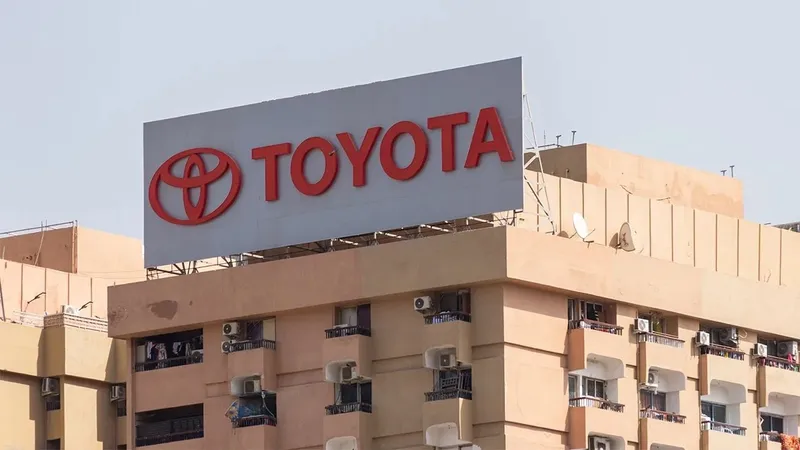
A property representative for Dubai’s well-known Toyota Building said tenants were evicted because of severe overcrowding caused by the illegal partitioning of residential units.
Mahmoud, from the property division of Nasser Rashid Lootah Group, which manages the building, said as many as 15 people were living in partitioned rooms in some apartments.
“The relevant authorities asked the building management to clear the overcrowded units. So far, 70 per cent of the building has been vacated,” he said.
Mahmoud also confirmed that the building, one of Dubai’s most recognisable structures along Sheikh Zayed Road, is set to be demolished. However, he said no date has yet been set for its demolition.
Tenants previously said residents had been required to leave in phases, with those living in partitioned units among the first to be evicted.
Ahmed, a grocery store employee who lived in the building for five years and moved out last week, said residents initially believed the action would be limited to partitioned units.
“At first, people living in partitioned rooms were asked to move out, so we thought the action was only targeting those rooms. But soon, people like us who were living in company-provided accommodation were also asked to relocate,” he said.
Dubai Municipality has stepped up enforcement against illegal partitioned rooms, saying such alterations breach regulations and can directly endanger residents’ safety.
“Such modifications increase the risk of serious incidents, including fires, and make it difficult to evacuate the building quickly in an emergency,” the municipality said in an earlier statement.
The Nasser Rashid Lootah Building was constructed in 1974, three years after the establishment of the UAE, and is considered one of Dubai’s earliest residential towers.
The building is about 65 metres tall and has 15 floors. It stands near what is now known as the first interchange on Sheikh Zayed Road.
It became widely known as the Toyota Building after a large red Toyota sign was installed on its roof in 1981.
The sign remained on the building for nearly four decades before being removed in 2018 after the advertising contract expired. However, it was reinstalled in June 2022 following a widespread wave of nostalgia for the city landmark.