
Iran-U.S. talks in Islamabad ended without an agreement.
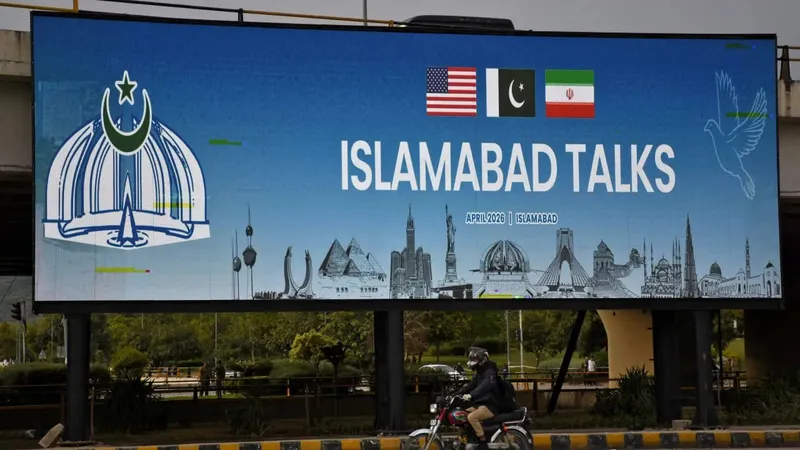
Iran-US Talks on Regional De-escalation End Without Agreement
Intense negotiations between Iran and the United States aimed at reaching an agreement on a ceasefire and reducing regional tensions concluded in Islamabad after approximately 21 hours without a final resolution. The talks, mediated by Pakistan, stalled while the fragile ceasefire announced in recent days remains at risk.
Reports indicate that the two sides made progress on some issues, but disagreements persist on several key points, including Iran's nuclear program, the situation in the Strait of Hormuz, Tehran's demand for compensation, and certain issues related to sanctions and regional security arrangements. US officials have stated that a major obstacle has been Iran's refusal to make a clear commitment to abandoning efforts to acquire nuclear weapons.
Conversely, media outlets and officials close to Tehran have reported that Iran considers some of Washington's demands "illegal" or "excessive" and has emphasized that it will insist on its strategic interests, including control of the Strait of Hormuz and financial demands. Simultaneously, a claim made by an Iranian source regarding the release of a portion of Iran's frozen assets has been denied by a US official.
However, the inconclusive end to this round of negotiations does not mean a complete halt to the diplomatic path, and the mediating parties have emphasized the need to maintain the ceasefire and continue contacts. In the current situation, the practical outcome of the negotiations can be described as a "pause without agreement," a situation that has neither led to a complete failure of diplomacy nor yet paved the way for a lasting agreement.