
Anwar Gargash: We Hope for Iran-US Agreement, but Are Prepared for the Worst
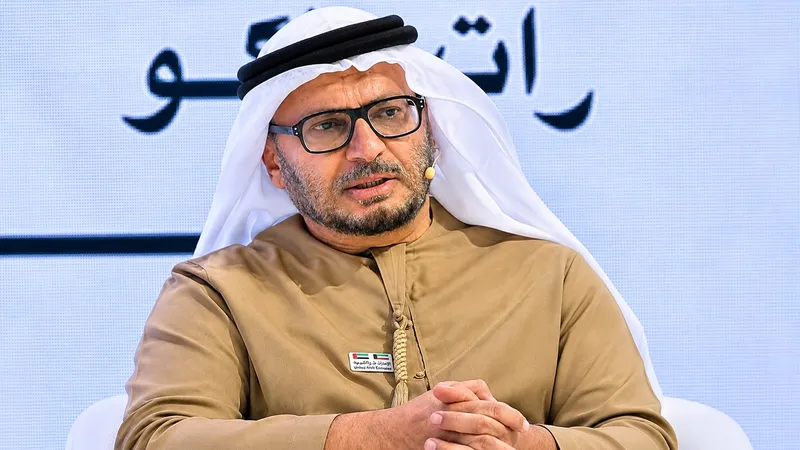
Anwar Gargash, diplomatic adviser to the UAE President, said the country hopes diplomatic efforts between Iran and the United States will succeed and prevent a new round of military conflict in the region. He stressed, however, that the UAE is also prepared for the worst-case scenario.
Speaking on Sunday, November 1, 2026, at the 22nd Manama Dialogue security summit in Bahrain, Gargash addressed concerns over the possible resumption of military hostilities between Iran and the United States, saying another war would not serve the region’s interests.
“We hope there will be a diplomatic breakthrough. Another round of conflict is not in the region’s interest, but as we have demonstrated before, we are also prepared for the worst,” he said.
The remarks came amid growing concerns over a renewed escalation of military tensions in the Middle East, as regional countries seek to prevent the conflict from spreading through dialogue and political solutions.
The UAE has repeatedly stressed the need for restraint, dialogue and adherence to international law to resolve regional crises.
In a statement issued on October 28, the UAE Ministry of Foreign Affairs renewed its call for stronger diplomatic efforts and cooperation with regional and international partners to de-escalate tensions, stressing that dialogue and political solutions are essential to safeguarding regional security and stability.
GCC: Talks with Iran Require Reciprocity
At the same meeting, Jasem Mohamed Albudaiwi, Secretary-General of the Gulf Cooperation Council, said GCC member states remain ready for dialogue and negotiations with Iran, but that the success of diplomatic efforts requires Tehran’s cooperation and reciprocity.
He stressed that GCC states have always supported negotiations to resolve regional disputes and remain committed to this approach, but achieving results requires the will and mutual cooperation of the parties involved.
Albudaiwi added that the six GCC member states would continue working with international partners to safeguard regional security and stability while maintaining channels of communication with Iran.
He also said GCC member states had neither initiated military conflicts nor sought war, but had suffered casualties and damage to civilian and critical infrastructure in attacks that he attributed to Iran.
Saudi Arabia Warns of Security Threats in Strait of Hormuz and Red Sea
Saudi Deputy Foreign Minister Waleed Al-Khuraiji warned at the Manama Dialogue of threats to international shipping in the Strait of Hormuz, the Red Sea and the Bab Al Mandab Strait, calling for stronger regional and international cooperation to protect these strategic routes.
He stressed that securing navigation in these waterways is a shared responsibility and must be based on cooperation among countries and respect for international law.
Al-Khuraiji also condemned the escalation of Houthi attacks against Saudi Arabia and threats to commercial shipping, describing them as an obstacle to diplomatic efforts to resolve the regional crisis.
The GCC Secretary-General also called for shipping conditions in the Strait of Hormuz to return to their pre-February 28, 2026, status.
The 22nd Manama Dialogue security summit was held in Bahrain from October 30 to November 1, with regional tensions, maritime security, freedom of navigation and diplomatic measures to prevent further escalation among the key topics on its agenda.
Gargash’s remarks at the summit underscored the UAE’s commitment to pursuing diplomatic solutions while remaining prepared to address the potential consequences of renewed regional tensions.