
Exclusive: How the UAE Keeps Oil Exports Flowing Despite the Strait of Hormuz Crisis

Exclusive – Iranians in UAE: Despite severe restrictions on shipping through the Strait of Hormuz and security risks to oil tankers, the UAE’s oil exports have not stopped. ADNOC, Abu Dhabi’s state-owned oil and gas company, has developed alternative routes using the direct Abu Dhabi-Fujairah pipeline, a fleet of shuttle tankers and ship-to-ship transfers in the Gulf of Oman to maintain oil supplies to international customers.
The UAE’s key advantage is the Abu Dhabi Crude Oil Pipeline, also known as the Habshan-Fujairah pipeline. The approximately 406-kilometre pipeline carries crude from Abu Dhabi’s onshore fields directly to the Fujairah export terminal on the UAE’s east coast, bypassing the Strait of Hormuz.
The pipeline has been operational since 2012 and has a design capacity of 1.5 million barrels per day. ADNOC documents show that the use of drag-reducing agents could increase its capacity to around 1.8 million barrels per day.
However, not all UAE oil is exported through Fujairah, and some shipments must still leave the Arabian Gulf. ADNOC has therefore also expanded a network of shuttle tankers.
Reuters reported that ADNOC chartered 25 crude oil tankers from South Korean company Sinokor and deployed around 15 of them in shuttle operations to move oil from inside the Strait of Hormuz to waters beyond it. The remaining 10 vessels are used to deliver cargoes directly to customers.
To strengthen its control over the oil transportation chain, ADNOC has also purchased five additional very large crude carriers for a combined price of about $590 million. Alongside these acquisitions, ADNOC Logistics & Services plans to order dozens of new oil, liquefied natural gas and liquefied petroleum gas carriers.
Oil Transferred From Ship to Ship
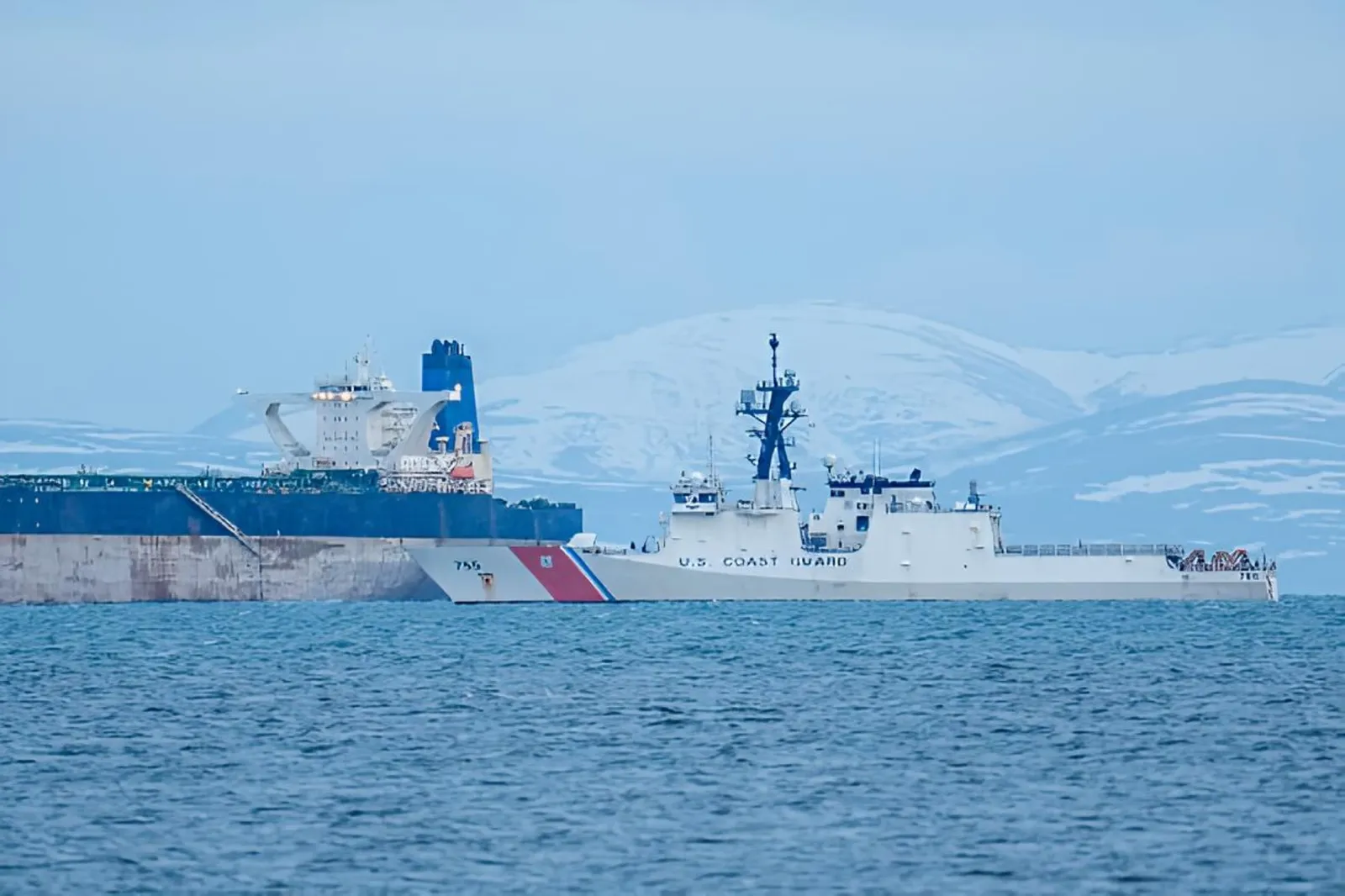
Another method that has gained prominence in recent months is ship-to-ship oil transfers outside the Strait of Hormuz.
Under this arrangement, a shuttle tanker carries cargo from terminals in the Arabian Gulf through the Strait of Hormuz. Once it reaches the Gulf of Oman, the oil is transferred to another tanker, which transports it to its final destination in Asia or other markets without entering the high-risk waters of the Arabian Gulf.
Reuters said the network was initially established by ADNOC as an emergency measure to maintain exports during the Strait of Hormuz crisis. Other regional producers subsequently expanded their use of the system. Ship-to-ship oil transfers across the network reached about 2.5 million barrels per day in September, up from around 1.4 million barrels per day in August. The figures cover the entire regional network and are not limited to UAE oil.
One such operation was observed last week in waters near Fujairah. The supertanker Pinios, carrying about 2 million barrels of Iraqi oil after passing through the Strait of Hormuz, transferred its cargo to the tanker New Constant near Fujairah. The second vessel then sailed for China.
ADNOC’s involvement in the network is not limited to UAE-produced oil. The company has also sharply increased its trading of Iraqi crude in recent months. Market sources told Reuters that ADNOC had agreed to purchase 32 million barrels of Iraqi oil for August and 40 million barrels for September, making it the largest buyer of Iraqi cargoes during the two-month period. Some of the oil is processed at the Ruwais refinery, allowing ADNOC to sell more of its own crude production to overseas markets.
ADNOC has also used a similar method for liquefied natural gas cargoes. Reuters reported in early September that a UAE LNG cargo was transferred between ADNOC’s Marawah and another vessel outside the Strait of Hormuz before continuing to Japan.
Second Oil Pipeline Under Construction
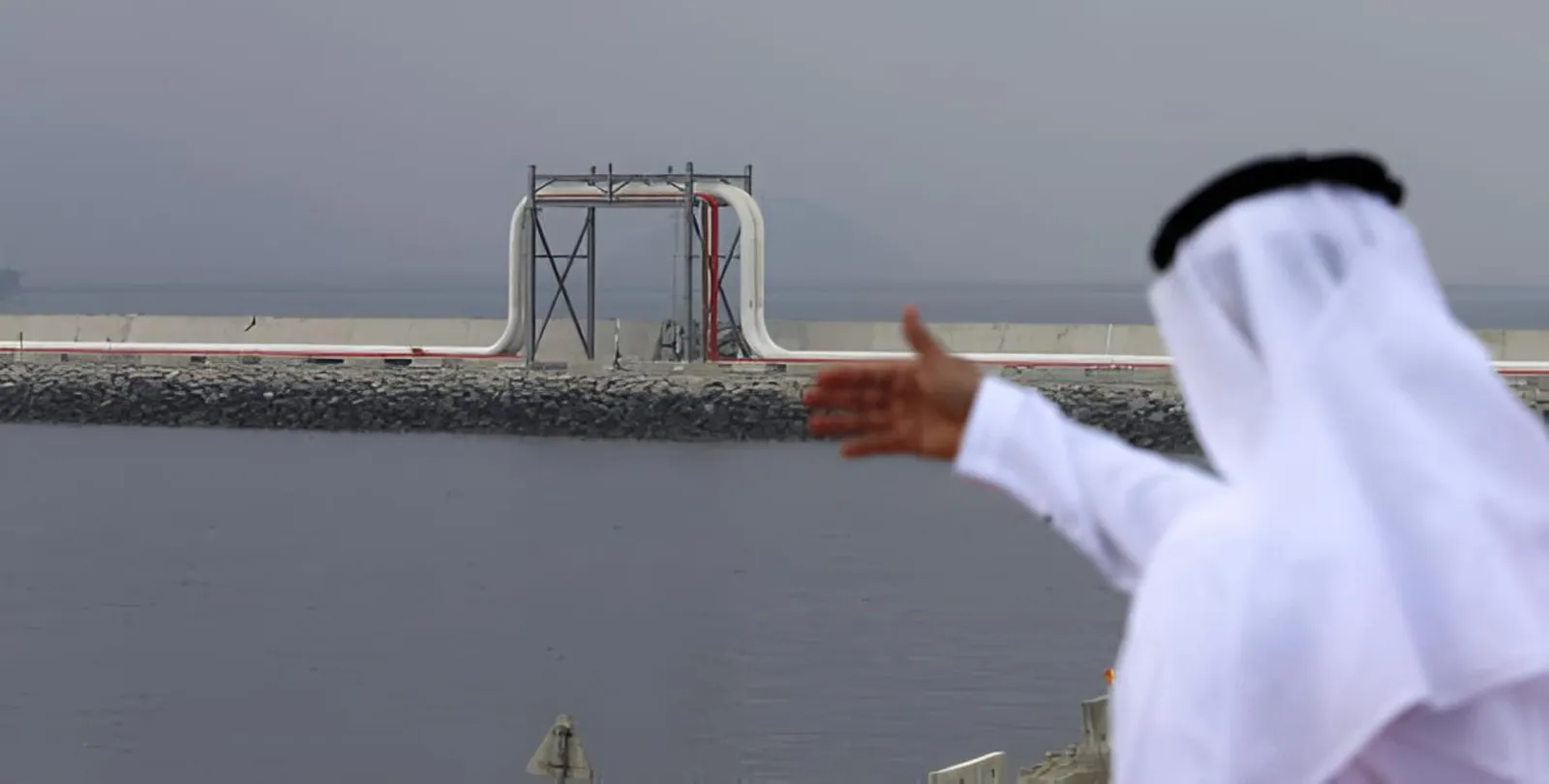
The UAE is also working to further reduce its reliance on the Strait of Hormuz. Construction of a second oil pipeline to Fujairah is under way, with ADNOC CEO Sultan Al Jaber saying in May that about 50 per cent of the project had been completed.
The project aims to double the UAE’s oil export capacity through Fujairah. The new pipeline is expected to become operational in 2027.
The UAE’s current strategy for maintaining oil exports relies on several routes: transporting Abu Dhabi crude directly to Fujairah by pipeline, completely bypassing the Strait of Hormuz; using shuttle tankers for cargoes that must pass through the strait; and carrying out ship-to-ship transfers after vessels leave the Arabian Gulf.
This network has allowed UAE oil exports to continue despite the ongoing Strait of Hormuz crisis. However, transporting oil under current conditions has become more complex and significantly more expensive than before the crisis. Reuters reported that the increased use of shuttle tankers and ship-to-ship transfers, combined with a shortage of large tankers, has sharply driven up the cost of shipping oil from the region.