
Republicans Lose Full Control of US Congress in Election Defeat
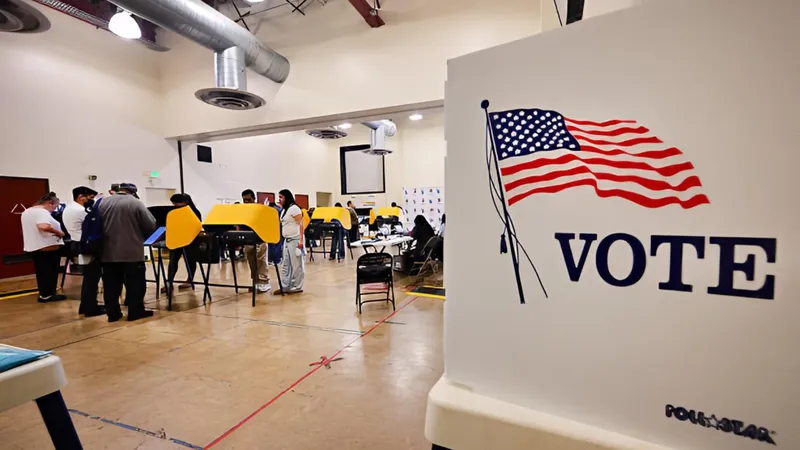
The US Democratic Party regained control of both chambers of Congress in the midterm elections on Tuesday, November 3, 2026, capturing six Republican-held Senate seats and securing a projected victory in the House of Representatives. The result ends two years of Republican control of Congress and shifts the balance of power for the final two years of Donald Trump’s second presidential term. From January 3, 2027, Democrats will have broad powers to scrutinise the administration and curb the White House agenda.
According to Reuters and The Associated Press, Republicans entered the election with a 53-47 Senate majority over Democrats and independents aligned with them. Because Vice President JD Vance would cast the deciding vote in the event of a tie, Democrats needed a net gain of at least four seats to secure control. They ultimately defeated Republican candidates in six states, including several that Trump had won by double-digit margins in the 2024 election.
One of the Democrats’ decisive victories came in Iowa, where state legislator and two-time Paralympic wheelchair basketball gold medallist Josh Turek defeated Republican US Representative Ashley Hinson, flipping the seat held by retiring Senator Joni Ernst.
In Texas, James Talarico defeated Trump-backed candidate Ken Paxton, delivering the Democrats’ first victory in a statewide election in more than three decades. Democratic gubernatorial candidate Gina Hinojosa also defeated the state’s Republican governor, Greg Abbott. In Kansas, Adam Hamilton unseated Senator Roger Marshall, securing the Democrats’ first US Senate victory in the state in 94 years.
Former North Carolina governor Roy Cooper, Sherrod Brown in Ohio and Annie Andrews in South Carolina captured three more Republican-held seats. In Georgia, Democratic Senator Jon Ossoff retained his seat by defeating Republican US Representative Mike Collins.
NBC and ABC have also projected that Democrats will win control of the House of Representatives. The party regained the majority after flipping several Republican-held seats in states including Pennsylvania, New Jersey, North Carolina and Kentucky. Although vote counting continues in some districts, NBC estimates that Democrats will win about 244 of the House’s 435 seats, comfortably above the 218 needed for a majority. House Democratic leader Hakeem Jeffries is expected to be elected speaker in January by the newly seated representatives.
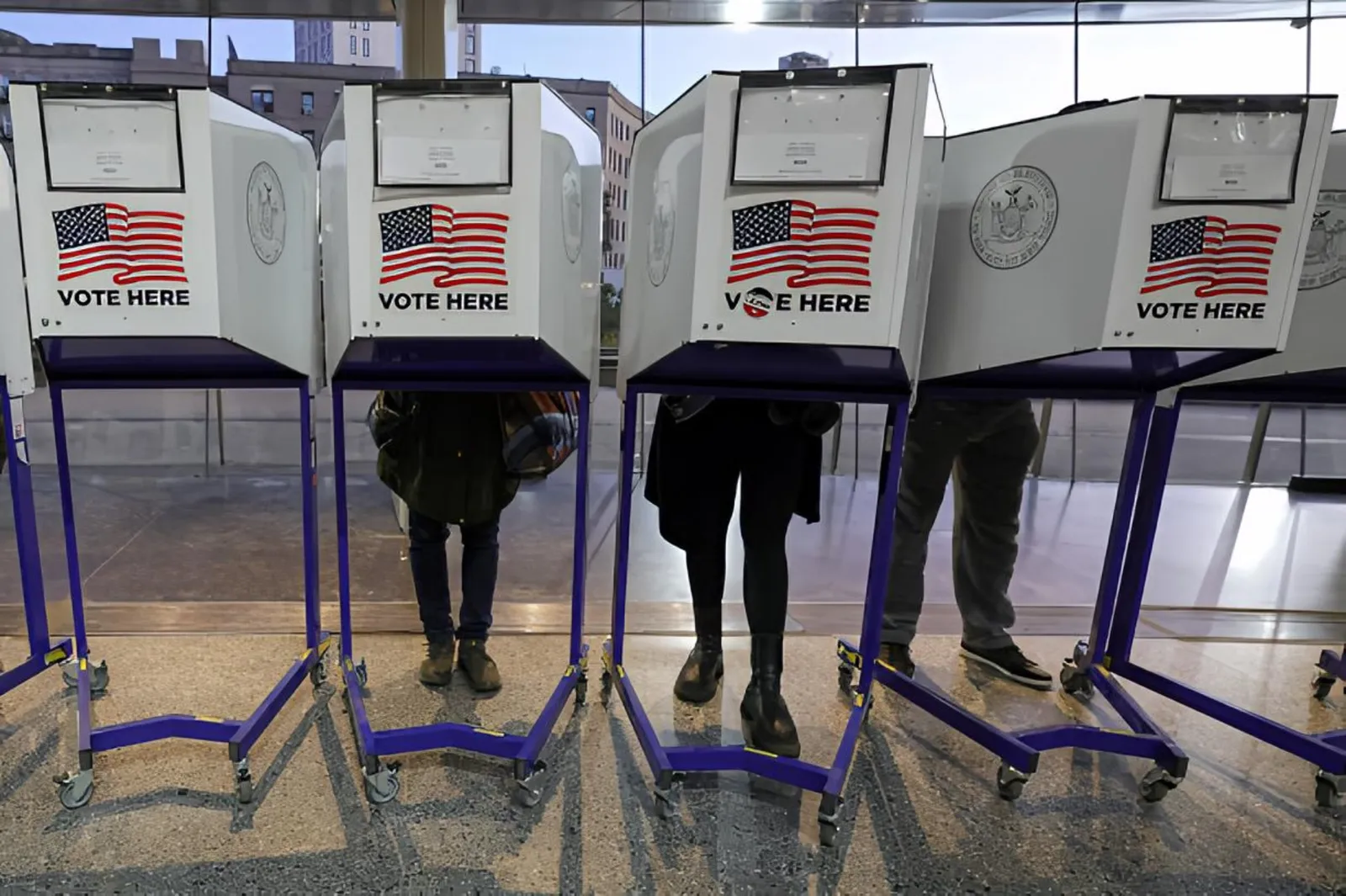
The election was widely seen as a referendum on the first two years of Trump’s second presidential term. According to the Associated Press, rising living costs, inflation, concerns over government corruption and the fallout from the US war with Iran were among the main sources of voter discontent. The United States and Israel launched the war on February 28, and The National reported on October 20 that US petrol prices had risen by nearly 50 per cent since the conflict began.
According to exit polls, about three-quarters of voters were dissatisfied or angry about the direction of the country, while 70 per cent believed Congress should impose greater oversight and restrictions on presidential power. In the final Reuters/Ipsos poll before the election, published on November 2, Trump’s approval rating stood at 32 per cent, close to the lowest level recorded across his two presidential terms.
Donald Trump, who had said on October 27 that he would accept the result “if the election is honest”, told The New York Times on election night that he was fully prepared to accept the outcome and expected to work with Democrats. However, on his social media platform, Truth Social, he blamed the Republican defeat on his absence from the ballot, writing: “I wasn’t a candidate; if I had been, we would have won in a landslide!”
When the new Congress convenes on January 3, 2027, Democrats will chair committees in both chambers and will be able to launch wide-ranging investigations into the administration’s conduct. The Associated Press also cited the possibility of presidential impeachment as a consequence of the shift in congressional control. However, while the House of Representatives can initiate impeachment proceedings with a simple majority, removing the president after a Senate trial requires the support of two-thirds of senators present.
The war with Iran is another issue on which the new composition of Congress could influence decision-making. The US House of Representatives had previously passed a non-binding resolution to limit Trump’s war powers, but the Senate rejected it in a 50-49 vote on September 24. With Democrats taking control of the Senate, they will have greater scope to revive such initiatives and increase congressional oversight of the White House’s war policy.
In addition, control of the Senate will allow Democrats to restrict or block the confirmation of senior administration officials, ambassadors and federal judges, including US Supreme Court justices. Even so, ending debate on many bills in the Senate will still require the support of at least 60 senators. Trump will also retain the power to veto legislation passed by Congress, with a two-thirds majority in both chambers required to override such a veto.
By reclaiming both chambers of Congress, Democrats will therefore have greater authority to oversee the administration and shape US domestic and foreign policy during the final two years of Trump’s presidency. However, the president’s executive powers and potential partisan divisions could still limit the extent of their influence.