
Abdul El-Sayed Becomes First Muslim US Senator in Historic Michigan Victory
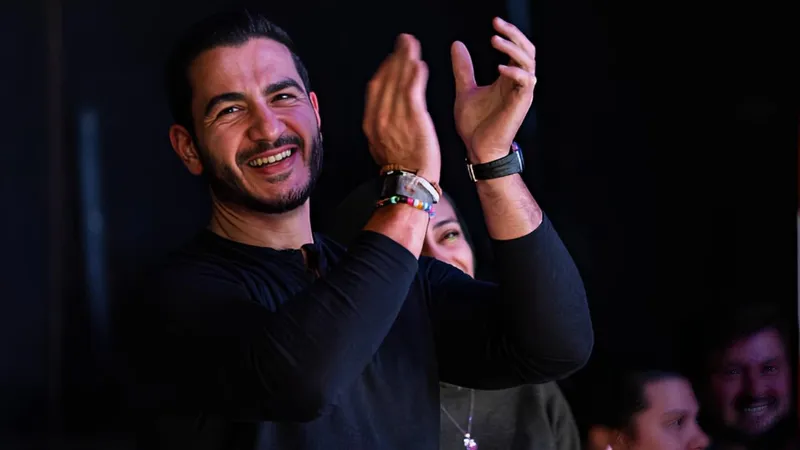
Abdul El-Sayed, an Egyptian-American Democratic politician, was declared the winner in Michigan in the Tuesday, November 3, 2026, midterm elections after defeating Mike Rogers, the Republican candidate endorsed by Donald Trump. The victory makes him the first Muslim elected to the US Senate. Decision Desk HQ, a leading election forecasting organisation, called the race, although vote counting remains under way and the results have not been officially finalised.
Decision Desk HQ declared El-Sayed the winner at 1:15am Eastern Time on Wednesday, November 4. According to figures released by the organisation as of 1:47am, El-Sayed led with 1,931,689 votes, or 50.93 per cent, compared with Rogers’ 1,786,169 votes, or 47.09 per cent. About 79 per cent of the estimated vote had been counted at the time.
El-Sayed, 42, was born on October 31, 1984, in Rochester Hills, Michigan. His full name is Abdulrahman Mohamed El-Sayed, and he was born into a family of Egyptian descent. His father, Mohamed El-Sayed, emigrated from Egypt to the US, and El-Sayed spent his childhood and teenage years in suburban Detroit with his father and stepmother.
He began his university studies at the University of Michigan and later received a prestigious Rhodes Scholarship, earning a doctorate in public health from the University of Oxford in the UK. El-Sayed also holds a medical degree from Columbia University in New York, but chose to pursue a career in public health rather than clinical practice. From 2015, he led the Detroit Health Department and later headed Wayne County’s health, human and veterans services.
El-Sayed first sought the Democratic nomination for governor of Michigan in 2018 but lost to Gretchen Whitmer. In the August 2026 primary, he defeated congresswoman Haley Stevens, who was backed by parts of the Democratic Party establishment, to become the party’s Senate nominee.
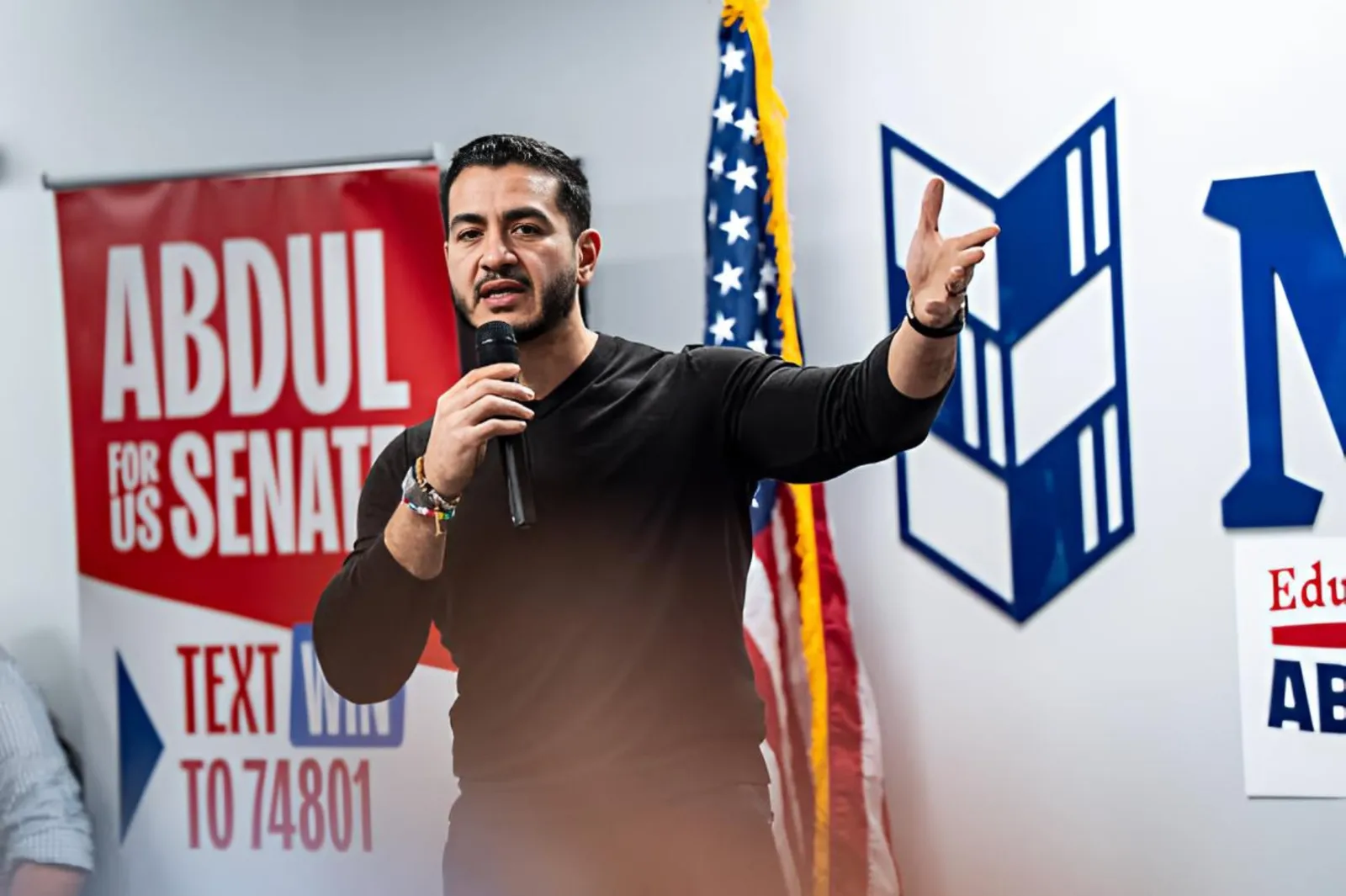
El-Sayed’s campaign focused on lowering the cost of living, introducing universal health insurance, limiting the influence of major corporations and wealthy individuals in politics, and opposing US wars abroad. He has also been a vocal critic of Israel’s policies in Gaza and has called for an end to US financial support for the Israeli military.
El-Sayed’s Muslim faith and political positions were contentious issues during the Michigan campaign. Donald Trump repeatedly attacked him on the campaign trail, even describing him as a “jihadist”. Trump and some Republicans also sought to link him to extremist groups, allegations that, according to the Associated Press, were not supported by evidence. El-Sayed rejected the claims, saying his opponents were focusing on his name and religion rather than addressing voters’ economic concerns.
The Michigan race became more contentious after Haley Stevens, who lost to El-Sayed in the Democratic primary, endorsed Republican Mike Rogers on Sunday, November 1, just two days before the general election. The decision followed renewed disputes between the two politicians over campaign advertising, positions on Israel and co-operation within the Democratic campaign, exposing divisions within the party.
If the results are officially confirmed, El-Sayed will succeed retiring Democratic Michigan Senator Gary Peters on January 3, 2027, and serve a six-year term in the Senate.
The victory is historically significant because, although several Muslim politicians have been elected to the US House of Representatives, no Muslim has previously served in the Senate. Keith Ellison became the first Muslim elected to the US Congress when he won a House seat in Minnesota in 2006. Following his declared victory in Michigan, home to a sizeable Arab-American and Muslim population, Abdul El-Sayed is now poised to become the first Muslim to serve in the US Senate.