
UAE foreign trade hits Dh3 trillion in nine months for first time, up 10% despite regional tensions
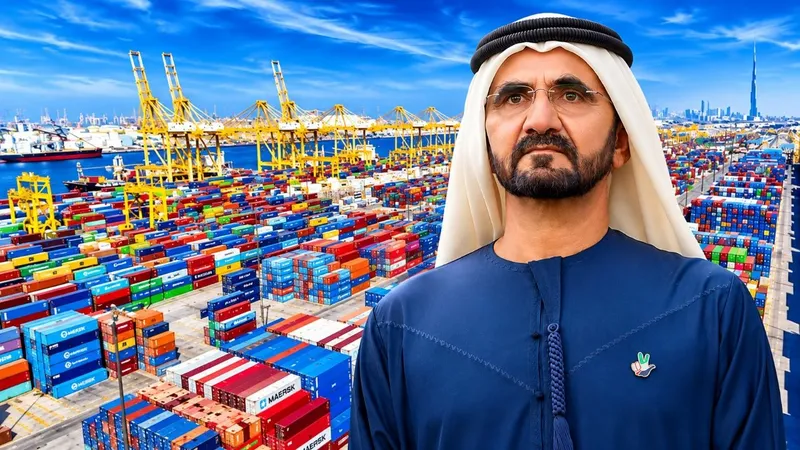
The UAE’s foreign trade reached nearly AED 3 trillion in the first nine months of 2026, from January to September, marking a 10 per cent increase compared with the same period last year and the first time it has approached that level over a nine-month period. Sheikh Mohammed bin Rashid Al Maktoum, Vice President and Prime Minister of the UAE and Ruler of Dubai, announced the figures on X on Sunday, November 8, 2026, after reviewing the foreign trade report for the period. He said UAE exports to its 10 largest trading partners had also risen by 31 per cent.
“In a year marked by numerous economic and political challenges and sweeping shifts in global trade flows, the UAE remains a major hub for international trade, managing developments around it with flexibility and efficiency,” the Ruler of Dubai wrote. He stressed that the UAE would continue to strengthen its network of economic relationships, expand its export markets and pursue its own path towards rapid and sustainable economic growth. Sheikh Mohammed concluded by congratulating Sheikh Mohamed bin Zayed Al Nahyan, President of the UAE, national teams and the trade partners that placed their confidence in the country’s success.
The latest figures extend the upward trend in the UAE’s non-oil foreign trade recorded during the first half of 2026. According to data announced on July 19, the country’s non-oil trade reached AED 1.937 trillion in the first six months of the year, up 13.1 per cent from the same period a year earlier. Non-oil exports surged 23.9 per cent to a record AED 452.8 billion.
According to the UAE Ministry of Foreign Trade, the country’s non-oil trade reached AED 2.67 trillion in the first nine months of 2025. For the full year, it rose by 26.8 per cent to exceed AED 3.8 trillion, equivalent to more than $1 trillion. Under its 2031 economic vision, the UAE aims to increase annual non-oil foreign trade to AED 4 trillion. Last year’s performance brought the country to 95 per cent of that target.
The continued growth comes despite serious disruption to shipping through the Strait of Hormuz since the war began in late February, with attacks on oil tankers in the waterway continuing until recent days. Thani Al Zeyoudi, the UAE Minister of Foreign Trade, told Bloomberg in June that the country planned to reduce its reliance on the Strait of Hormuz to “zero”, even if the waterway reopened. The plan centres on expanding the capacity of the ports of Dibba, Fujairah and Khor Fakkan on the Gulf of Oman coast; using the Etihad Rail network; building new pipelines and roads to connect the ports with oil and gas fields; and expanding Comprehensive Economic Partnership Agreements with various countries. According to The National, Al Zeyoudi said in September that the changes were permanent and that first-half trade figures showed the alternative routes had proved effective for the UAE economy.