
Gargash: Dialogue with Tehran Is Not a Concession, but a Strategic Necessity
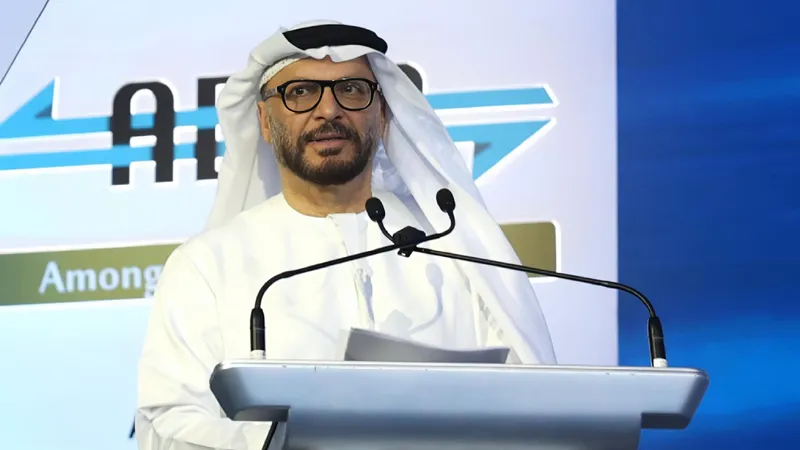
Anwar Gargash, diplomatic adviser to the UAE President, said on Monday, November 9, 2026, that dialogue with Tehran was a strategic necessity but could not continue on the same basis as before the war. He said damaged trust between Iran and regional countries could not be restored through political statements alone, and that Tehran must create the conditions for rebuilding it through concrete action, credible commitments and verifiable changes in its conduct.
Speaking at the opening of the 13th Abu Dhabi Strategic Debate, Gargash said Iran would always remain a neighbour of the Gulf states and that geographical realities could not be changed. He described dialogue with Tehran as “not a concession, but a strategic necessity”, adding that respect for national sovereignty, non-interference in domestic affairs and recognition of neighbours’ legitimate security interests were essential foundations for such talks.
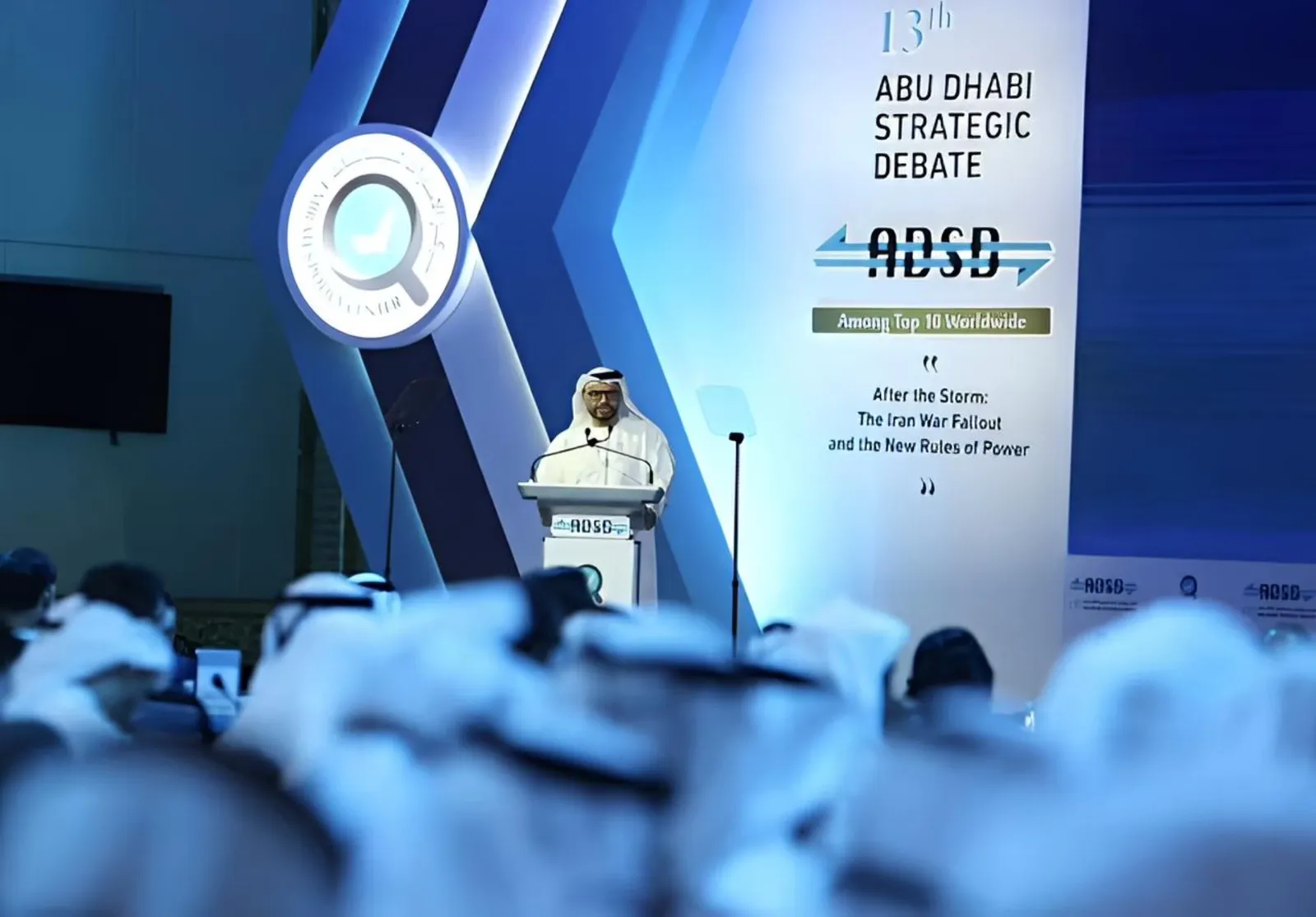
Hosted by the Emirates Policy Center in Abu Dhabi, this year’s forum is titled “After the Storm: Implications of the Iran War and the New Rules of Power” and runs until Tuesday, November 10.
The UAE President’s diplomatic adviser described Iran’s decision to attack its regional neighbours as a “serious violation of their sovereignty” and a “grave strategic miscalculation”. He said that after the United States and Israel launched their war against Iran on February 28, the UAE bore the brunt of Tehran’s attacks, facing about 3,300 missiles and drones during the conflict. Gargash said the attacks had deepened mistrust rather than strengthened Iran’s regional standing, severely undermining prospects for stable and constructive relations with its neighbours.
Gargash also rejected any attempt by Iran to impose unilateral arrangements or take control of international shipping in the Strait of Hormuz. He said the UAE remained committed to the existing framework governing vessel traffic through the waterway and that freedom of navigation must not become a tool of political pressure. The security of commercial vessels, he added, could not be made dependent on the unilateral decisions of any country.
He also cited the oil pipeline to Fujairah, the Barakah Nuclear Energy Plant and the Etihad Rail network as examples of the UAE’s long-term investments to reduce dependence on vulnerable routes and infrastructure, adding that implementation of this strategy would accelerate in the coming years.
Assessing the outlook for the Iran crisis, Gargash warned that reaching a comprehensive political agreement between Washington and Tehran to end a war that began more than eight months ago appeared difficult. Reuters quoted him as saying: “We must prepare for a prolonged period of uncertainty, during which neither a definitive resolution of the crisis nor the emergence of a stable regional order can be taken for granted.”
He added that the consequences of the war could persist for a long time and that the UAE must continue investing in its defence capabilities, maintaining credible deterrence and strengthening international security cooperation.
However, Gargash stressed the need to maintain diplomatic engagement with Iran and other regional and international parties. He said some of these efforts may, out of necessity, focus in the short term on limited agreements and arrangements concerning specific issues, but the long-term goal should be to move towards a broader dialogue on the future of regional security.
The Diplomatic Adviser to the UAE President also noted that his country had opposed the war from the outset and had pursued diplomatic efforts to prevent the region from being drawn into conflict. At the same time, he said the recent war had underscored the importance of the UAE’s defence and security cooperation with the United States, and expressed appreciation for the support and solidarity of international partners, including France, Israel, Greece, Syria, Egypt and India.
Gargash described the war and its repercussions as the most consequential test the UAE has faced since its establishment in 1971. He said Sheikh Mohamed bin Zayed Al Nahyan, President of the UAE, had guided the country through the unprecedented crisis “with wisdom and resolve”.
Praising the performance of the UAE Armed Forces and air defence systems, he said the country had demonstrated that it was not the weak link in the regional security equation. Gargash also acknowledged that solidarity and coordination among Gulf Cooperation Council member states during the crisis could have been stronger and more effective, calling for a review of regional cooperation mechanisms.
The remarks came after Iranian media reported several explosions on Qeshm Island on the evening of Sunday, November 8, with some outlets blaming US forces. An official in Hormozgan province said on Monday that the island’s infrastructure and essential services had not been damaged. US responsibility for Sunday’s explosions has not been independently confirmed.
US President Donald Trump had announced on Friday, November 6, that US forces had carried out a limited strike on an Iranian air defence system. In an interview with CNN on Sunday, he said a resumption of large-scale attacks on Iran would be “highly unlikely” if negotiations progressed and led to a robust agreement. Meanwhile, Qatar continues its mediation efforts to narrow differences between Tehran and Washington.