
New Archaeological Discovery in Sharjah Reveals Evidence of Human Presence Around 60,000 Years Ago!
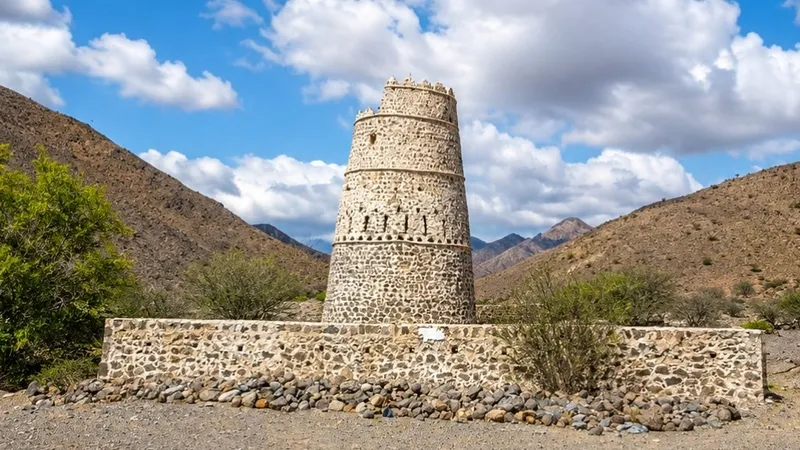
New archaeological discoveries and studies in the UAE have shed light on thousands of years of human settlement, how communities adapted to climate change and the region’s economic connections. The findings range from evidence of human presence in Sharjah around 60,000 years ago to Bronze Age communities in Al Ain.
In Sharjah, an international research project at the Jebel Al Buhais rock shelter uncovered evidence of repeated human occupation during different periods. A study published in Nature Communications in March 2026 documented human presence at the site from around 60,000 to 16,000 years ago, revealing how early communities adapted to severe drought and climate fluctuations.
In Al Ain, the Abu Dhabi Department of Culture and Tourism announced in July the discovery of a large communal tomb at the ancient Al Qattara cemetery. The tomb dates to the Wadi Suq period and the late Bronze Age, around 2000 to 1300 BC. The structure measures 11 metres long and 2.5 metres wide and was used to bury hundreds of people over at least 1,000 years.
Pottery, weapons and personal ornaments were also found in the tomb. DNA and isotopic analysis of the human remains and recovered artefacts is continuing, with researchers hoping to learn more about the diet, health, migration patterns and trade networks of ancient communities.
In 2026, five UAE sites were also added to the ICESCO Heritage List: Saruq Al Hadid in Dubai, and Jebel Faya, the historic towers and forts of Khor Fakkan, Nahwa and Wadi Al Helo in Sharjah. Wadi Al Helo contains Bronze Age rock carvings, while rock art dating from the Bronze Age to the modern era has been documented in Nahwa.
Meanwhile, the Jebel Faya research project entered a new phase after receiving AED 2 million in research funding for 2026 to 2028. The project forms part of the UAE’s wider programme to excavate, restore, digitally document and secure international recognition for the country’s archaeological heritage.