
UAE Families Shop Early for Ramadan 2027: Why Some Buy Fabric Months in Advance
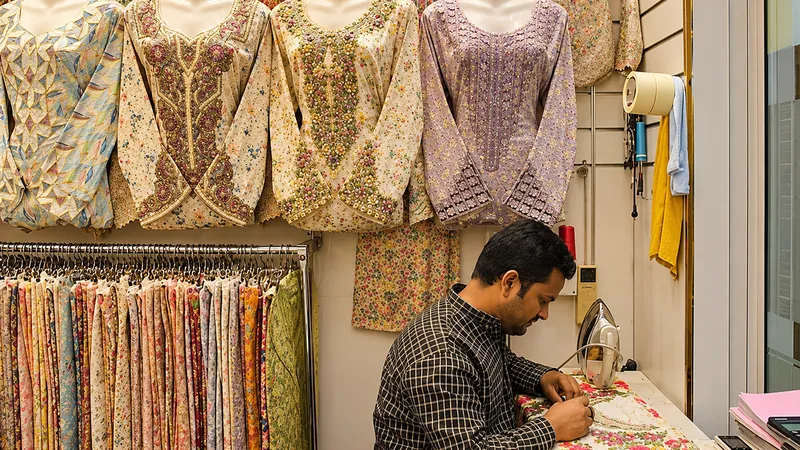
Although Ramadan 2027 is still several months away, some Ras Al Khaimah residents have already begun buying fabric and traditional clothing to avoid the rush at tailoring shops ahead of Ramadan and Eid Al Fitr, while allowing enough time to choose designs and have their preferred outfits made.
According to Khaleej Times, vendors in Ras Al Khaimah’s traditional markets say some customers began buying fabric for Ramadan and Eid Al Fitr in September, while others prefer to wait until closer to the occasions.
Fabric purchases begin in September
A representative of Al Shahama Textiles and Readymade Garments on Kuwait Street in Ras Al Khaimah, who asked not to be named, said customers began purchasing fabric in September and October, with demand expected to continue through November, December and January.
“People are buying now because tailors become extremely busy later,” the representative said.
According to the vendor, many families prefer to buy the fabric they need early to ensure their traditional outfits are ready before Ramadan and Eid Al Fitr.
Jacquard, silk, cotton and Italian fabrics are among the most popular choices, particularly among women shopping for outfits for Ramadan, Eid Al Fitr and family gatherings.
Some customers also buy larger quantities of fabric to make matching outfits for family members.
“Customers sometimes buy 10 to 17 yards of fabric at once for the entire family, including mothers and daughters,” the vendor said.
The representative added that Fridays and weekends are usually the busiest shopping periods, as families have more time to visit the market together.
On weekdays, women often visit the shop with their mothers, sisters or daughters to browse the latest fabric collections.
Ramadan clothing bought four to six months in advance
Maryam, a Sharjah resident, said she prefers to complete her Ramadan shopping, particularly buying fabric and commissioning tailored outfits, several months in advance.
“I usually start preparing for Ramadan four to six months ahead, especially when it comes to buying clothes and having outfits tailored,” she said.
Maryam said shopping early gives her more time to choose fabrics, negotiate prices and place tailoring orders without facing the pressure on tailors in the days leading up to Ramadan.
“I prefer to finish everything early because prices are better, there is more room to negotiate and tailors are not under pressure. That way, the outfits are made exactly to my taste,” she added.
By the time Ramadan approaches, Maryam said she usually has only a few minor purchases left, which she can easily make online.
Fabric sourced from India, Italy and the UK
Maryam, who lives with her family, said most of her Ramadan shopping consists of traditional clothing and perfume.
She prefers to select the fabric for her outfits herself and often buys it from shops in India, Italy and the UK, although she sometimes finds similar materials in UAE stores.
After choosing the fabric, Maryam takes it to tailors at Souq Al Makhawir to have her outfits made.
She also buys some ready-made clothing from local businesses and said she enjoys supporting these shops.
Maryam stressed that the quality of her clothes matters more to her than the number of items she buys.
“Quality is more important to me than quantity, and I do not set a specific budget for Ramadan shopping,” she said.
She said her clothing choices depend on colours, designs, preferred styles and weather conditions.
Maryam also said she had not noticed any significant change in prices compared with previous years, with the cost of fabrics and traditional clothing generally remaining within a similar range.
Changing Ramadan clothing shopping patterns
Some Ras Al Khaimah vendors say customer shopping patterns have gradually changed in recent years.
While some shoppers continue to buy fabric in large quantities, others prefer to spread their purchases across several visits during the months leading up to Ramadan.
The Al Shahama representative said customers previously tended to buy most of the fabric they needed for Ramadan and Eid Al Fitr in a single visit, but many now prefer to shop gradually.
“In the past, people bought larger quantities on each visit, but now they buy a little at a time,” the representative said.
According to the vendor, one reason for the shift is customers’ desire to follow new designs and changing fashion trends, as they do not want to select all their Ramadan outfits several months in advance.
To meet this demand, the shop introduces new fabric collections every week, giving customers more choices as Ramadan approaches.
WhatsApp helps attract customers
Social media has also become an important tool for vendors to showcase new products.
Al Shahama regularly posts images of newly arrived fabrics on WhatsApp Status.
“When we receive new stock, we post pictures on WhatsApp. Customers see the images and come to the shop to buy,” the representative said.
The representative added that although some customers are currently shopping for UAE National Day celebrations, demand for fabrics and traditional clothing is generally higher ahead of Ramadan and Eid Al Fitr.
According to the vendor, people shopping for one-day celebrations often prefer ready-made clothing, while Ramadan and Eid Al Fitr customers are more likely to buy fabric and commission tailored outfits.
The shop offers fabrics across a range of prices and provides discounts on bulk purchases.
“We offer competitive prices, and if someone wants to buy a large quantity, we can offer them a special rate,” the representative said.
Some customers wait until Ramadan draws closer
Despite early shopping at some stores, not all Ras Al Khaimah vendors have yet seen an increase in Ramadan-related demand.
Mohammed Zeeshan, manager of Al Saddat Ladies Garments in Ras Al Khaimah’s Old Market, said most customers are currently buying traditional clothing for UAE National Day celebrations, with Ramadan shopping expected to increase closer to the start of the holy month.
“Most customers are currently shopping for National Day. For Ramadan, people usually come in about 10 days before the month begins,” he said.
According to Zeeshan, customers often buy traditional clothing as gifts for family members, particularly mothers, sisters and daughters.
Jilbabs, embroidered traditional dresses and matching mother-and-daughter sets are among the shop’s most popular products.
Zeeshan said traditional designs remain highly popular and customer preferences have changed little over the years.
“People still like the same traditional styles. These are classic designs, and customers continue to buy them,” he said.
Shoppers travel from Dubai and Abu Dhabi to Ras Al Khaimah
The Al Saddat manager said that although UAE National Day collections are currently attracting the most attention, the shop has also begun gradually introducing new designs for Ramadan and Eid Al Fitr.
He said weekends are usually the shop’s busiest period, with customers travelling from Dubai, Abu Dhabi and Al Ain to buy traditional clothing at Ras Al Khaimah’s Old Market.
Zeeshan predicted that in the coming months, as families begin planning their Ramadan purchases, customer interest will gradually shift from National Day collections to clothing for Ramadan and Eid Al Fitr.
Vendors said buying fabric early helps some families avoid the rush at tailoring shops ahead of Ramadan, gives them more time to choose designs and styles, and allows them to have their preferred outfits made without haste.