
How the UAE passport became the world's second most powerful
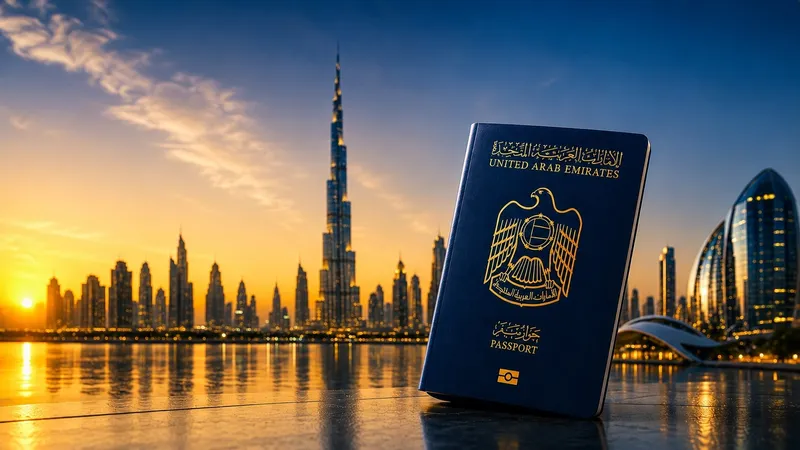
The UAE passport has experienced one of the world's largest leaps over the past 20 years. Two decades ago, Emirati citizens could travel visa-free to only 62 countries, but today this figure has reached 188 destinations. According to the July 2026 edition of the Henley Passport Index, the UAE ranks second globally alongside Japan and South Korea, with only Singapore ranking higher with 192 destinations.
What is the Henley Passport Index?
The Henley Passport Index ranks the world's passports based on the number of destinations their holders can access without a prior visa. The index's data is sourced from IATA's Timatic database, a system used by airlines to verify passenger travel eligibility.
The UAE's Historic Record
In 2006, the UAE was ranked 62nd globally. Since then, 153 new destinations have been added to the list of visa-free or visa-on-arrival travel for UAE citizens, marking the largest increase recorded for any country in the index's history. This growth has made the UAE passport the most powerful in the Arab world and one of the top three globally.
Significance Beyond Travel
Passport power is not just about easier travel; it is an indicator of geopolitical standing, international trust, and a country's value as a trade, investment, and security partner. Experts at Henley & Partners state that a powerful passport reflects a nation's diplomatic capital and global prestige.
The Role of Active Diplomacy
The UAE's ascent is not solely the result of regional stability, but the outcome of active diplomacy, visa waiver agreements, extensive trade relations, and a national strategy to transform the passport into a tool of soft power.
Conclusion
Over two decades, through a combination of economic ambition, expansion of international relations, and global trust-building, the UAE has transformed a passport that was once in the middle of the rankings into one of the world's most valuable travel documents.