
Doctors warn UAE parents against children's skincare trends
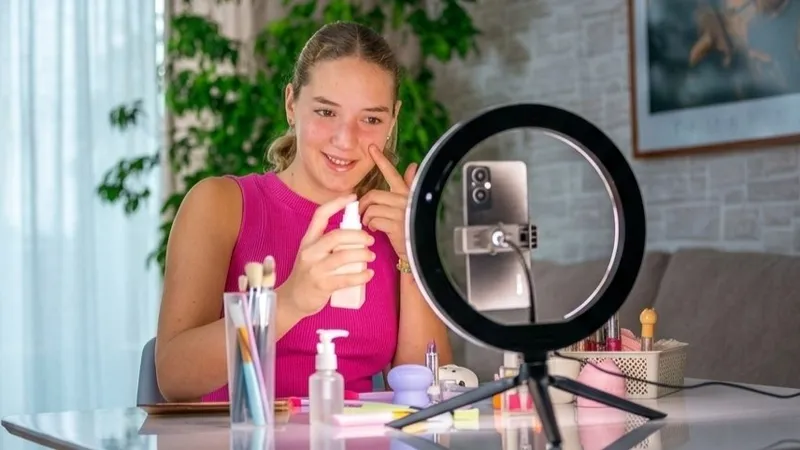
UAE doctors warn against children using adult skincare products
Doctors in the UAE are warning against the increasing use of adult cosmetic and skincare products by children and teenagers, a trend they say is fueled by social media videos and could lead to serious physical and psychological harm.
Dr. Salem Antabi, a dermatologist, says cases of skin damage caused by children using inappropriate products are regularly seen in clinics. He cited the example of a seven-year-old girl who suffered from bacterial and fungal infections after using adult nail polish, requiring nine months of treatment.
According to doctors, children's skin is much thinner and more sensitive than adult skin, absorbing chemicals faster and more deeply. Substances such as formaldehyde, phenol, benzophenones, and parabens found in some cosmetic and care products can be dangerous for children, even if the product is labeled "natural" or "for children."
Psychology experts also state that the damage from this trend is not limited to the skin. Dr. Eva Jajonie, a psychologist, warns that when young girls believe their skin needs correction, they quickly enter a cycle of appearance-related anxiety, comparison with others, and feelings of inadequacy.
She noted that dependence on multi-step skincare routines can cause anxiety, anger if the routine is not completed, obsessive checking of one's face in the mirror, and even social withdrawal. In the long term, it may lead to body dysmorphic disorder and reduced self-confidence.
Parents say social media plays a significant role in this pressure, especially when children see influencers their own age using beauty products daily. Some mothers emphasize that instead of an absolute ban, children should be protected through explanation, setting limits, and choosing safe products.
Specialists recommend that for children under 15, the skincare routine should be very simple: mineral sunscreen, fragrance-free moisturizer, plain lip balm, and if necessary, mild natural ingredients like chamomile water.
They also urge parents to start conversations about the body and skin from a young age, focusing on skin function and overall health rather than physical beauty, while discussing the reality of digital filters and advertisements.