
UAE Doctors Warn Weight-Loss Injections May Cause Muscle Loss Along with Fat
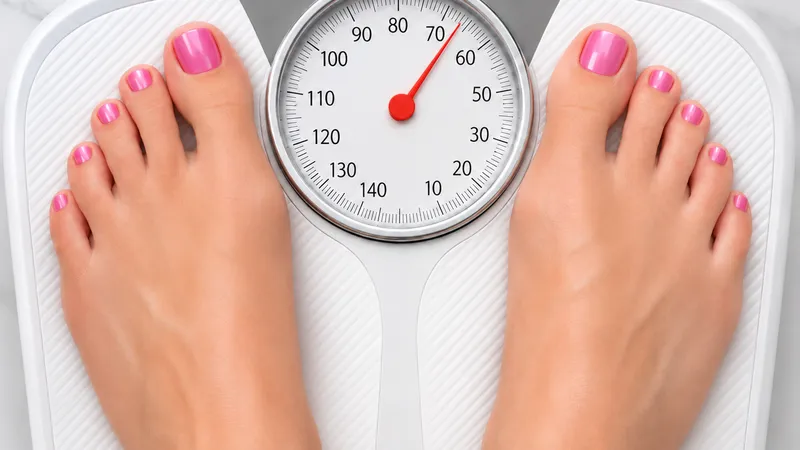
Weight loss is the goal for many people who turn to popular injectable weight-loss medications, but doctors in the UAE warn that the number on the scale does not tell the whole story.
As the use of medications such as Mounjaro, Ozempic and Wegovy for weight loss increases, specialists stress that patients should consider not only how much fat they lose but also the potential loss of lean mass, including muscle. Muscle plays an important role in physical strength, mobility and long-term health.
Doctors say that among people who sharply reduce their food intake while using these medications, insufficient protein intake, dehydration and inadequate physical activity can increase the risk of losing lean mass. Specialists emphasise that treatment should not focus solely on rapid weight loss, but on improving metabolic health while preserving muscle strength and physical function.
Dr Niyas Khalid, an internal medicine specialist at Burjeel Hospital Abu Dhabi, said: “Never assess weight loss based solely on the number on the scale.”
He explained that before treatment begins, doctors assess the patient’s overall health and obesity, metabolic health, relevant test results, nutritional status and body composition.
He said dietitians also use methods such as bioelectrical impedance analysis, or BIA, including the InBody device, to estimate body fat and lean mass.
Periodic assessments are also conducted during treatment to determine whether weight loss is mainly due to fat loss or accompanied by excessive loss of lean mass. Physical strength, the ability to carry out daily activities and the rate of weight loss are also considered.
Dr Khalid said patients are informed from the start of treatment that rapid weight loss, particularly when combined with poor nutrition and insufficient physical activity, can lead to muscle loss.
Why the type of weight loss matters
The distinction between fat loss and lean mass loss is important because losing lean mass can affect physical function, particularly in older adults and people already at risk of declining muscle strength.
Dr Amina Kiran, an endocrinologist at International Modern Hospital Dubai, said Mounjaro, whose active ingredient is tirzepatide, and Ozempic and Wegovy, whose active ingredient is semaglutide, are among the best-known medications in this category in the UAE.
She said Mounjaro has gained significant popularity because of its considerable impact on weight loss. An observational study in the UAE found that Mounjaro accounted for 65.6 per cent of GLP-1-based medication prescriptions within the study group in 2024.
However, the amount of weight lost alone does not indicate how much muscle a person has lost, which is why monitoring body composition is important.
Dr Kiran said her routine assessments include body weight, waist circumference and simple measures of muscle function, including handgrip strength. BIA can also be useful for monitoring changes in body composition, although its accuracy can be affected by hydration levels and other factors.
She added that she prefers to use DEXA scans for patients at risk of significant muscle loss who require a more precise assessment.
Dr Kiran also cited findings from the SURMOUNT-1 substudy on changes in body composition during treatment with tirzepatide.
According to the study, about 75 per cent of the weight lost was fat mass and about 25 per cent was lean mass. However, a reduction in lean mass does not necessarily mean an equivalent loss of skeletal muscle.
Lean mass includes more than skeletal muscle, and its measurement can be affected by factors such as hydration levels. Doctors therefore stress that body composition results should be interpreted alongside clinical assessments.
Protein, adequate hydration and exercise are essential
Appetite suppression is one of the mechanisms through which these medications support weight loss. However, a significant reduction in food intake can make it difficult to meet the body’s nutritional needs, particularly when meals are skipped or insufficient protein-rich foods are consumed.
Dr Khalid said some patients eat far less than their bodies require and do not consume enough protein. Others reduce their fluid intake if they experience nausea or other gastrointestinal side effects.
He recommended including protein-rich foods such as eggs, fish, lean meat, dairy products and legumes in the diet. Each patient’s meal plan should be developed in consultation with a dietitian and tailored to their individual circumstances.
He said adequate fluid intake is also important during treatment, while protein and hydration needs vary according to body composition, age, kidney function and other medical conditions.
Physical activity should also form part of a structured weight-management programme. The World Health Organisation recommends at least 150 minutes of moderate-intensity physical activity per week as a general target, although the amount and type of exercise should be tailored to each person’s medical condition and physical ability.
Dr Kishan Delampady, an endocrinologist at NMC Royal Hospital Sharjah, also stressed that the growing popularity of these medications should not determine whether they are used.
He said: “These medications help people eat less by affecting appetite and feelings of fullness, but they are not suitable for everyone. The choice of medication depends on the person’s weight, medical history, underlying conditions, current medications and treatment goals.”
He also warned that people should not take a prescription medication simply because someone they know achieved good results with it. He said a distinction must be made between medications approved to treat diabetes and those authorised for weight management.
Dr Delampady added that medical assessment, appropriate prescribing and regular follow-up are essential. Medication should complement a balanced diet, physical activity and behavioural changes, not replace them.
He said side effects such as nausea, vomiting, diarrhoea or constipation can affect hydration and nutrient intake if they persist.
He stressed that this is particularly important for older adults because muscle mass and strength naturally decline with age. Rapid weight loss combined with poor nutrition and inactivity can make it more difficult for people to maintain their physical independence.
He added that younger people should also focus on preserving muscle while losing weight rather than concentrating solely on appearance or clothing size.