
Dubai named world's most Instagrammable city with over 190 million posts
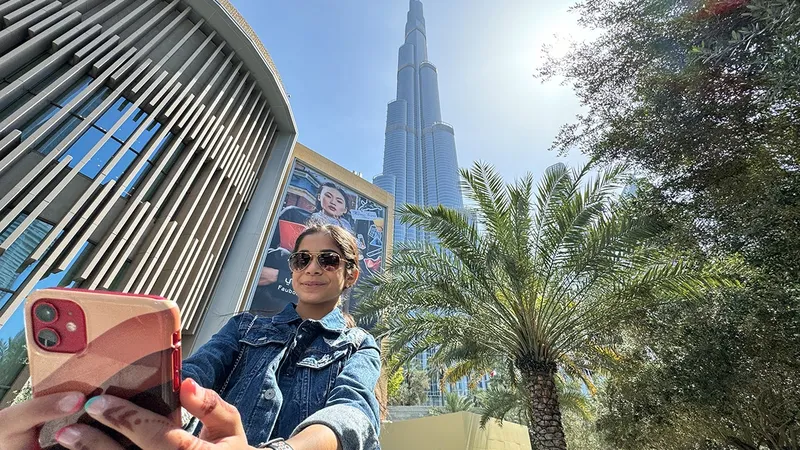
Dubai has secured the top spot among the world's most visited and photographed cities in the "Most Instagrammable Destinations in the World 2026" index by Players Time.
The Burj Khalifa also ranked first in the global tourist attractions category, allowing Dubai to lead simultaneously in both the cities and landmarks categories.
Achieving a perfect score of 100, Dubai recorded approximately 147 million tags on Instagram and over 43 million tags on TikTok. Total content published about the city across both social media platforms exceeded 190 million posts, while monthly Google searches for Dubai reached 3,430,000.
While London recorded the highest volume of hashtags with 192.2 million posts and Barcelona saw nearly seven times more Google searches than Dubai at 23 million monthly, and New York registered 165.6 million posts, the combined metrics of search volume and social media activity placed Dubai in the overall first position.
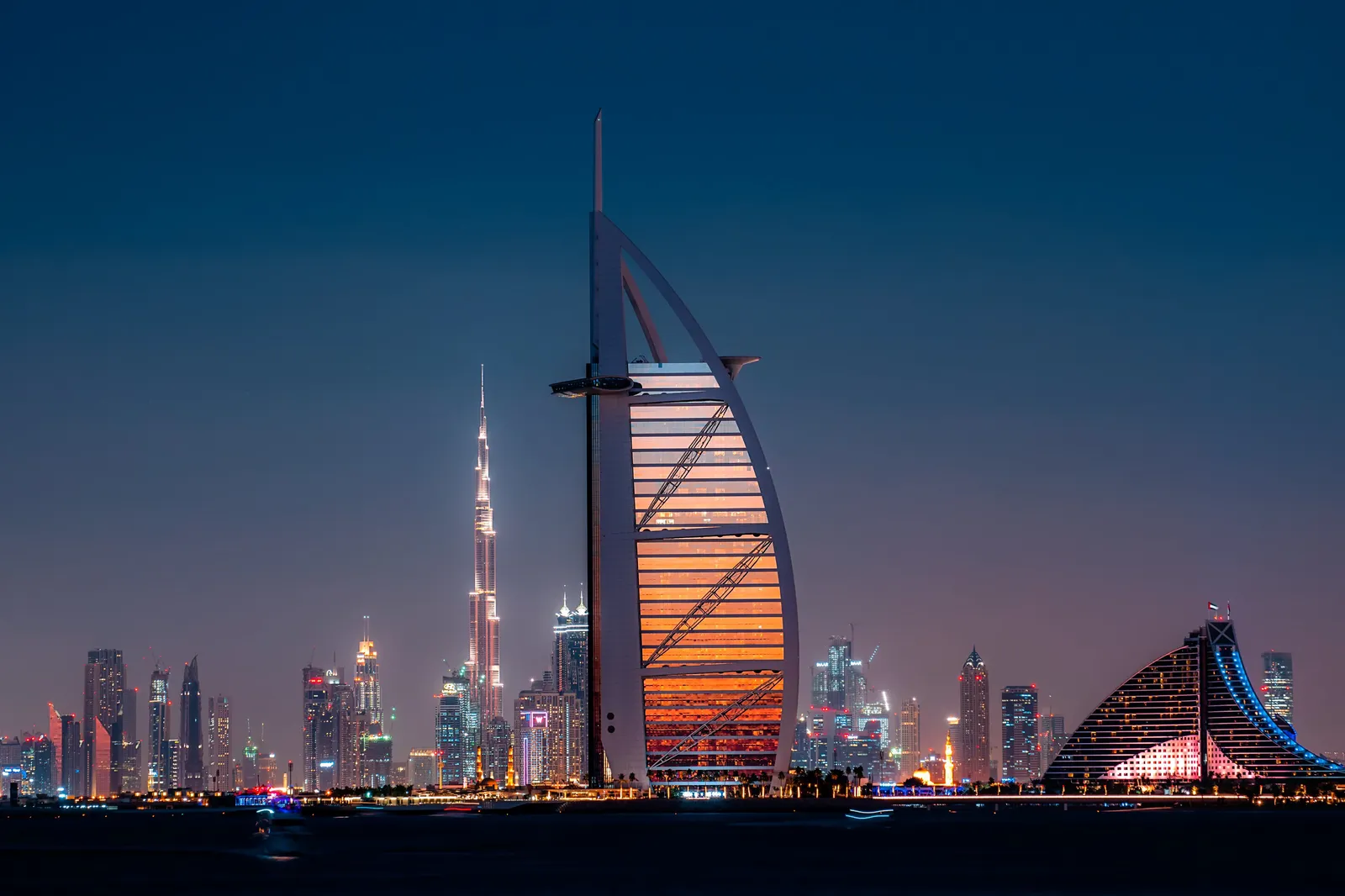
Dubai breaks social media records as tourist numbers surge
Dubai's prominent position in the digital space has been accompanied by a growth in actual travel demand to the city. In 2025, Dubai hosted 19,590,000 international overnight visitors, representing a 5 percent increase compared to the previous year.
In December 2025, more than 2,040,000 tourists arrived in Dubai, marking the first time the city's international visitor numbers exceeded the 2 million threshold in a single calendar month.
Western Europe remained Dubai's largest source market with 4,100,000 tourists. GCC countries accounted for 2,990,000 visitors, while the Middle East and North Africa (MENA) region contributed 2,170,000 tourists.
By the end of 2025, Dubai's hospitality capacity reached 154,264 rooms across 827 hotels and establishments. The average hotel occupancy rate was 80.7 percent, with a total of 44,850,000 recorded occupied room nights. The average length of stay per visitor was 3.7 nights.
The Players Time index measures visibility, searches, and content distribution regarding tourism destinations and does not directly reflect the number of bookings, tourist spending, or hotel usage. However, official tourism statistics for Dubai indicate that the city's digital popularity has been mirrored by a massive influx of tourists and high demand for accommodation.
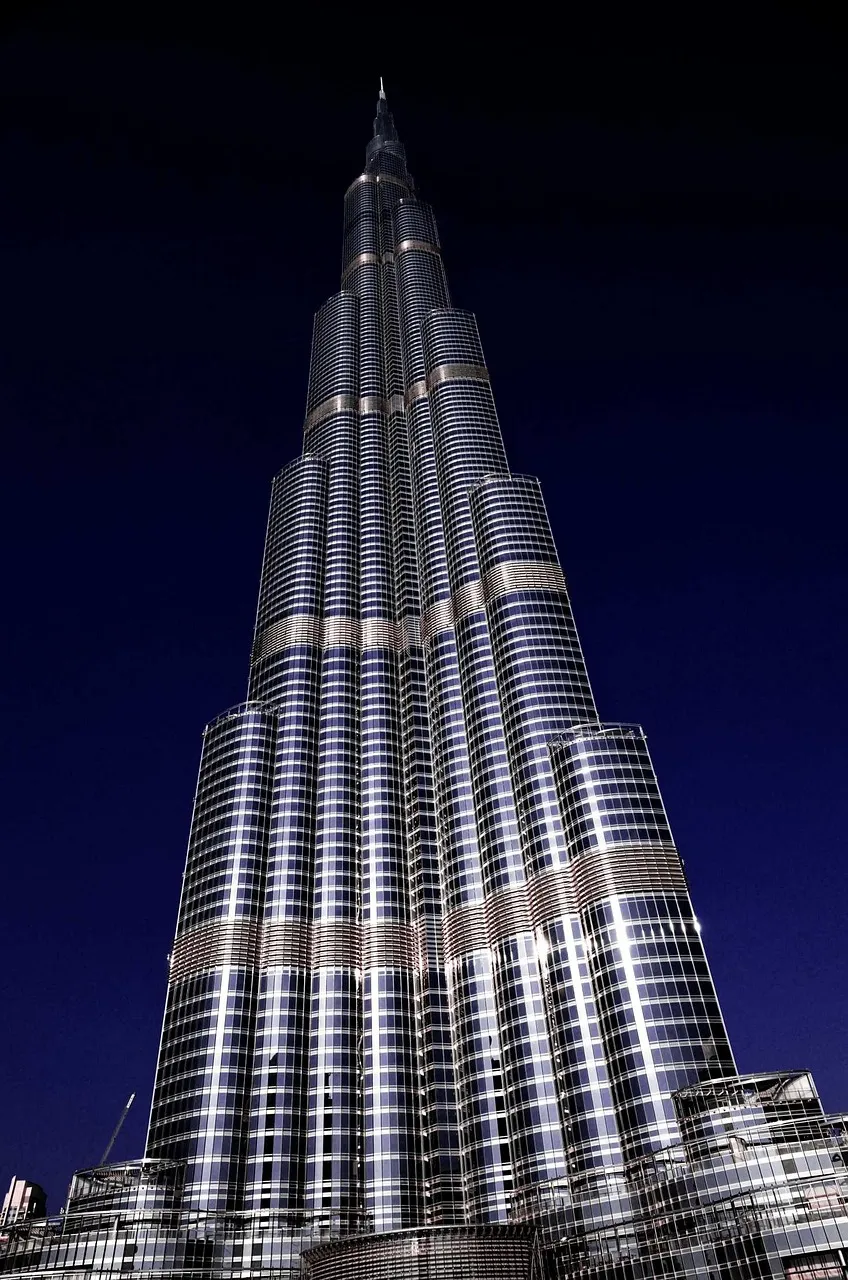
Burj Khalifa named world's most Instagrammable tourist attraction
Burj Khalifa has secured the top spot among global tourist attractions, achieving a perfect score of 100. The landmark recorded more than 10.1 million tagged posts and over 1.1 million monthly Google searches.
The Eiffel Tower followed in second place with a score of 73.22, registering 8.63 million posts and 662,000 monthly searches.
The Grand Canyon’s South Rim recorded 4.75 million posts and 696,000 monthly searches. Other highly popular social media landmarks included Tokyo’s Shibuya Crossing with 6.57 million posts and New York’s Times Square with 5.82 million posts.
Eight European attractions featured in the top 20 list. While the Taj Mahal and Machu Picchu saw high monthly Google search volumes of 854,000 and 928,000 respectively, the significant weight given to Instagram data in the final ranking ensured Burj Khalifa maintained its lead.
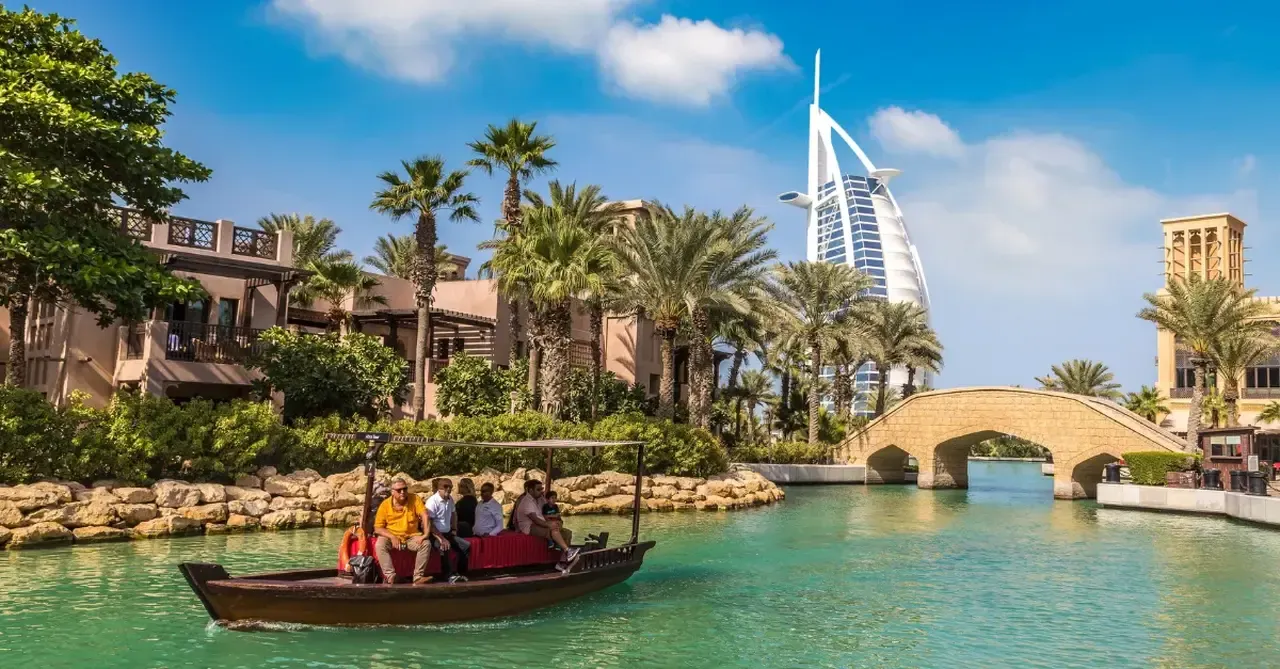
The Jumeirah Beach view of Burj Al Arab also performed strongly, garnering nearly 2.9 million tagged posts. Consequently, Dubai now boasts two of the most visually popular attractions in both regional and global rankings.
Industry stakeholders, including hotels, tourism companies, and tour operators, are encouraged to leverage Burj Khalifa and Burj Al Arab as central themes in marketing campaigns for accommodations, attractions, and Dubai travel packages.
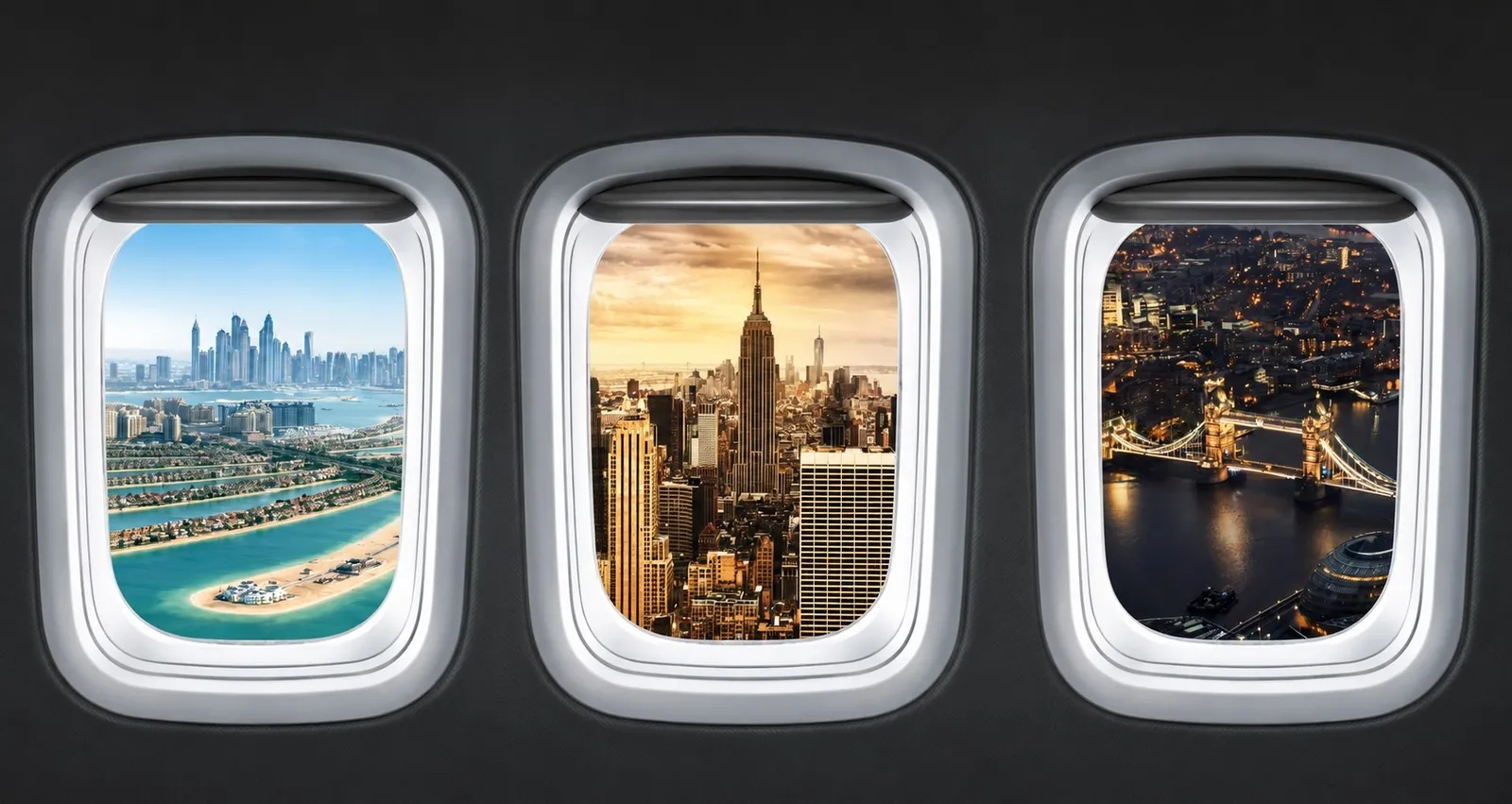
How the ranking was compiled
Players Time analyzed over 240 destinations, including cities, tourist attractions, and off-the-beaten-path locations.
Data on monthly Google search volumes was gathered using the Ahrefs Keyword Explorer tool, while the number of hashtags and posts on Instagram and TikTok were used to measure social media engagement for each location.
All data points were standardized on a scale of 0 to 100. Given that Instagram is identified as the primary platform for travel inspiration in this report, it was assigned a higher weight in the final score calculation.
The study covered approximately 55 cities, 135 tourist attractions, and 29 hidden gems. Locations were selected based on their tourism significance, social media visibility, 2026 travel rankings, and visual appeal.
The index methodology compares online visibility and does not reflect the economic revenue of the destinations. Furthermore, hashtag counts represent the volume of posts rather than the number of unique visitors, while search volumes indicate user interest rather than confirmed travel bookings.
Consequently, this ranking serves as a metric for destination visibility and should not be viewed as a direct forecast of tourism bookings. Tourist arrival statistics and Dubai’s hotel performance data provide independent evidence of actual travel demand for the city.
Dubai’s Global Ranking: A Benchmark for Tourism Marketing
The Dubai Department of Economy and Tourism (DET) collaborated with more than 3,000 local and international partners in 2025. In April 2025, the department, in partnership with Beautiful Destinations, launched a specialized training academy for travel content creators.
Leveraging its extensive network of partners, Dubai distributed tourism campaigns across both traditional and emerging markets.
The hospitality and tourism sector accounted for approximately 21.3% of Dubai's Foreign Direct Investment (FDI) in the first half of 2025. Additionally, Dubai Business Events successfully secured bids for 504 events to be hosted through 2029.
The Players Time rankings provide a specific metric for measuring the circulation of Dubai-related content across social media platforms and search engines.
Hotels can compare search volumes for Dubai with occupancy rates, room nights, and booking patterns. Similarly, tourist attractions can monitor the number of posts published about specific locations during promotional campaigns.
Airlines and tour operators can also align their seasonal offers with destinations that maintain a sustained online presence.
Dubai's position in the 2026 rankings combines a perfect score of 100 for the city with the Burj Khalifa’s global leadership. The Burj Khalifa alone generates significant search demand, while extensive Dubai-related content on Instagram and TikTok has further strengthened the destination's global presence.
The simultaneous leadership of Dubai and the Burj Khalifa provides industry stakeholders with a clear benchmark for advertising planning, destination marketing, and the development of tourism products.