
UAE Skies to See Orionid Meteor Shower Peak on October 21: Timings, Viewing Conditions and Al Qudra Event Ticket Details
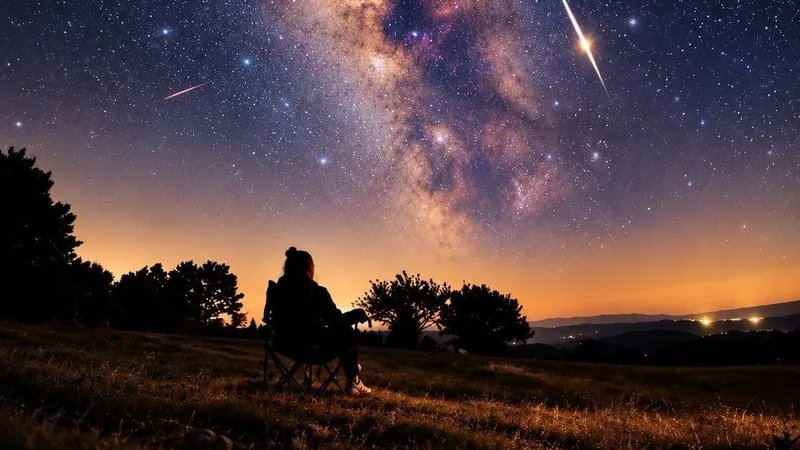
UAE skies will witness the peak of the Orionid meteor shower on the night of October 21-22, 2026. The annual phenomenon occurs as Earth passes through debris left behind by Halley’s Comet.
According to NASA, the Orionids are active from October 2 to November 7. Under ideal conditions and completely dark skies, observers may see around 10 to 20 meteors per hour. The meteors enter Earth’s atmosphere at about 66 kilometres per second, making them among the fastest visible meteors.
Viewing conditions this year will not be entirely ideal. The Moon will be in its waxing gibbous phase at the shower’s peak, and its light could obscure fainter meteors. NASA says the best viewing opportunity will be before dawn and after moonset. In Dubai, the Moon will set at around 2.26am on October 22.
The Dubai Astronomy Group will also host a special Orionid viewing event in Al Qudra Desert. The event will run from 10pm on October 21 until 2am on October 22 and will include meteor watching, telescope observations of celestial objects, astrophotography and an introduction to sky maps.
General admission costs AED180, while tickets for children under 13 cost AED150. Children under five may enter free of charge, although the organiser does not recommend their attendance. Children under 13 must be accompanied by a ticket-holding parent.
The exact location will be sent to participants once registration is confirmed. A four-wheel-drive vehicle is not required, and a standard car is sufficient. However, the venue is not accessible by public transport or taxi.
Those planning to watch independently can improve their chances of seeing meteors by choosing a location away from city lights and allowing their eyes time to adjust to the darkness.
▪️Location: Al Qudra Desert, Dubai
▪️Time: 10pm on October 21 to 2am on October 22
▪️Cost: From AED150
▪️Contact: @dubaiastronomy