
Oman: Ship transit through Strait of Hormuz will not be subject to fees
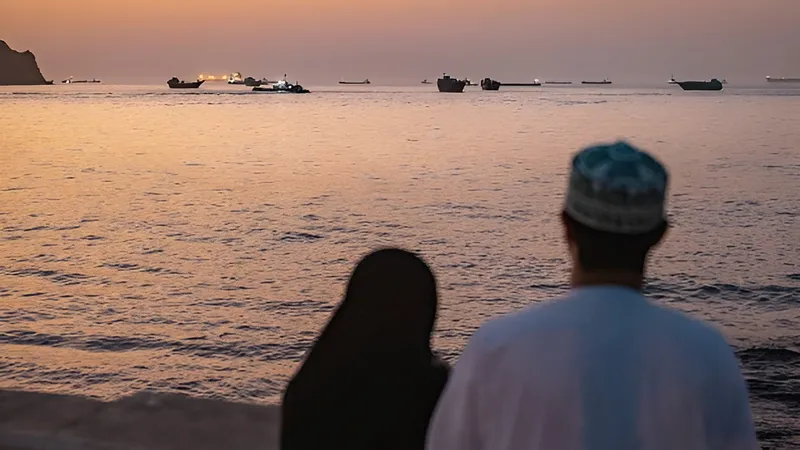
Oman has announced that no transit fees will be charged to vessels under any future arrangements for managing maritime traffic in the Strait of Hormuz. This position follows days of speculation regarding the potential imposition of costs on ships passing through one of the world’s most critical energy corridors.
Omani Foreign Minister Badr Albusaidi stated during a GCC ministerial meeting in Bahrain on Thursday, June 25, that future arrangements for the Strait of Hormuz would not involve transit fees. He emphasized that Muscat supports the restoration of freedom of navigation and is committed to ensuring the safe and uninterrupted passage of vessels through the waterway.
The remarks come as Oman and Iran have held discussions in recent days concerning the future management of navigation and maritime services in the Strait of Hormuz. According to Reuters, regional countries involved in these talks are advocating for fee-free passage, while Iran may raise issues related to environmental, navigational, and security costs.
Oman has also introduced two temporary routes for ships to the north and south of the existing shipping lanes in the Strait of Hormuz. This move, coordinated with the International Maritime Organization, aims to facilitate the safe exit of vessels from the region. Under the plan, ships will be guided in stages, and owners and captains are required to conduct independent risk assessments, maintain active Automatic Identification Systems, and report any navigational hazards to Oman’s Maritime Security Center.
The Strait of Hormuz serves as the transit point for approximately one-fifth of the world’s crude oil and liquefied natural gas. Disruptions to traffic in recent months have sparked widespread concern across energy markets and global trade. The route has faced significant disruption since the onset of the conflict involving the United States, Israel, and Iran on February 28, with shipping restrictions placing considerable pressure on global energy supplies.
US Secretary of State Marco Rubio, who attended the GCC meeting, reiterated Washington’s opposition to the imposition of any fees for passage through the Strait of Hormuz. Following the meeting, he stated that there is no support among regional nations for the idea of charging transit fees.
Despite the introduction of temporary routes and Oman’s insistence on fee-free passage, tensions surrounding the Strait of Hormuz remain high. Iran’s Revolutionary Guard has warned that any passage through the strait without its authorization will be met with a response, suggesting that a full return to normal traffic in this strategic corridor remains uncertain.