
Oman warns of suspicious sea mine in Strait of Hormuz
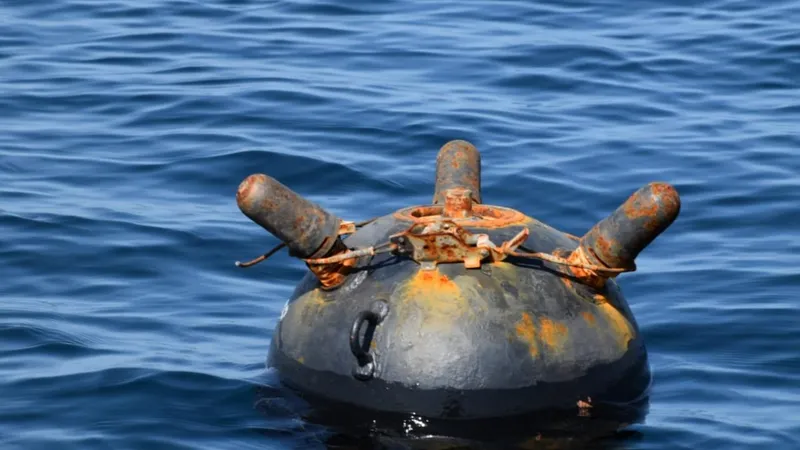
The Oman Maritime Security Center has announced the discovery of a floating object in the country's territorial waters within the Strait of Hormuz, suspected to be a sea mine, and has urged all mariners, fishermen, and vessels to exercise extreme caution. According to the center, the suspicious object was identified west of the coastal traffic area, and ships must maintain a safe distance from any suspicious items encountered at sea and immediately report them to the relevant authorities.
This warning comes as the Strait of Hormuz faces one of the most dangerous security crises in its history, beginning in late February 2026. During the conflict in the region, the Islamic Revolutionary Guard Corps declared a ban on passage through the strait and, according to Western sources, laid mines in its waters. Washington initiated a naval blockade of Iran on April 12 and launched mine-clearing operations. Shipping in the Strait of Hormuz has been effectively blocked since February 28, 2026, when the United States and Israel began an air campaign against Iran.
Concerns regarding mines in this waterway are not new. Recently, CBS News cited US officials reporting that American forces have identified at least ten mines laid by Iran in the Strait of Hormuz. Earlier in March, there were reports of approximately twelve underwater mines of the Iranian-made "Maham 3" and "Maham 7" types. Oman's latest warning is significant as it indicates that the mine threat has moved closer to the southern corridor of the strait, a route previously considered safer.
This southern corridor has become the primary transit route in recent months. The United States established an "Enhanced Security Zone" south of the Traffic Separation Scheme and advised vessels to transit through Omani territorial waters while coordinating with Omani authorities via radio channel 16. However, international maritime agencies have warned that crossing or approaching the Traffic Separation Scheme remains "extremely dangerous" due to mines that have not yet been fully identified or cleared.
The importance of these warnings is rooted in the strategic status of the Strait of Hormuz, a waterway through which one-fifth of the world's oil and liquefied natural gas passed before the conflict. For local Omani fishermen and vessels operating near these routes, the potential drift of mines into coastal waters poses a direct threat.