
US Approves $1 Billion Sale of Rocket Guidance Kits to UAE
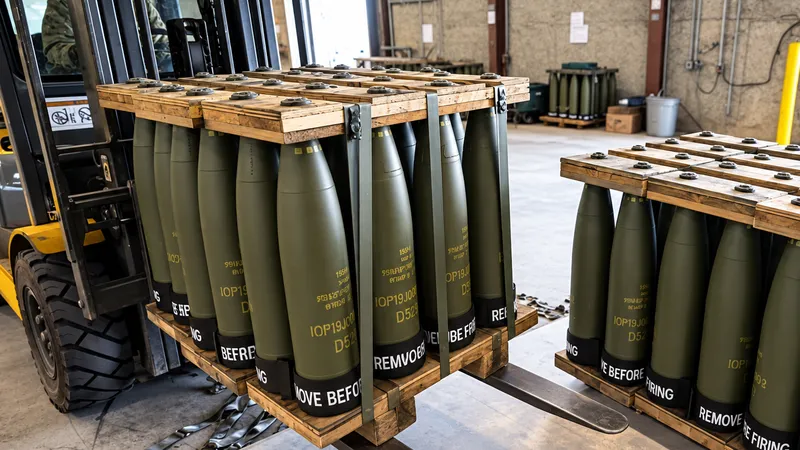
The UAE has requested to purchase up to 10,000 laser-guidance kits for rockets from the United States. The US State Department estimates the potential sale at $1.041 billion, saying the deal would strengthen the UAE’s ability to address “current and future threats.”
In an October 2 notice, the US State Department said the purchase would help the UAE establish and maintain a strong and ready defence capability. It added that the acquisition would improve the UAE’s operational interoperability with US forces and support US foreign policy and national security objectives by “enhancing the security of a major defence partner.”
According to the notice, the UAE has requested APKWS-II guidance kits in a combination of air-to-air and air-to-ground configurations. The package also includes related equipment and engineering, technical, training and logistics support services provided by the US government and contractors. BAE Systems will serve as the principal contractor. The approval is a formal step in the US foreign military sales process and does not constitute a final contract. The final value and quantity may change during subsequent negotiations.
The US previously approved the sale of 1,500 air-to-air APKWS-II kits to the UAE for $147.6 million on May 1. At the time, US Secretary of State Marco Rubio invoked an “emergency” to bypass congressional review requirements for a series of arms sales to Israel, Qatar, Kuwait and the UAE worth more than $8.6 billion. Qatar and Israel were also each authorised that day to purchase 10,000 of the rockets. In July, the US State Department approved the potential sale of 20,000 kits from the same system to Saudi Arabia in a deal valued at $1.96 billion. Washington first approved the sale of the system to the UAE in May 2019.
The APKWS kit is installed between the warhead and motor of 70mm Hydra rockets, converting the unguided rockets into laser-guided munitions. Middle East journalist Paul Iddon wrote in Forbes that each system costs about $22,000. He said the kits are far better suited than Western air-to-air missiles such as AMRAAM for intercepting low-cost Shahed drones, while fighter jets can carry them in much larger numbers.
During the war that began on February 28 with US and Israeli attacks on Iran, the UAE and other Arab countries in the region were repeatedly targeted by Iranian drone and missile strikes. Iddon wrote in the same analysis that the UAE had endured the heaviest Iranian attacks among Gulf Cooperation Council countries. He said intercepting drones with the UAE’s most advanced air defence systems had proved difficult, and that purchasing these rockets in large quantities would help conserve more expensive missiles.
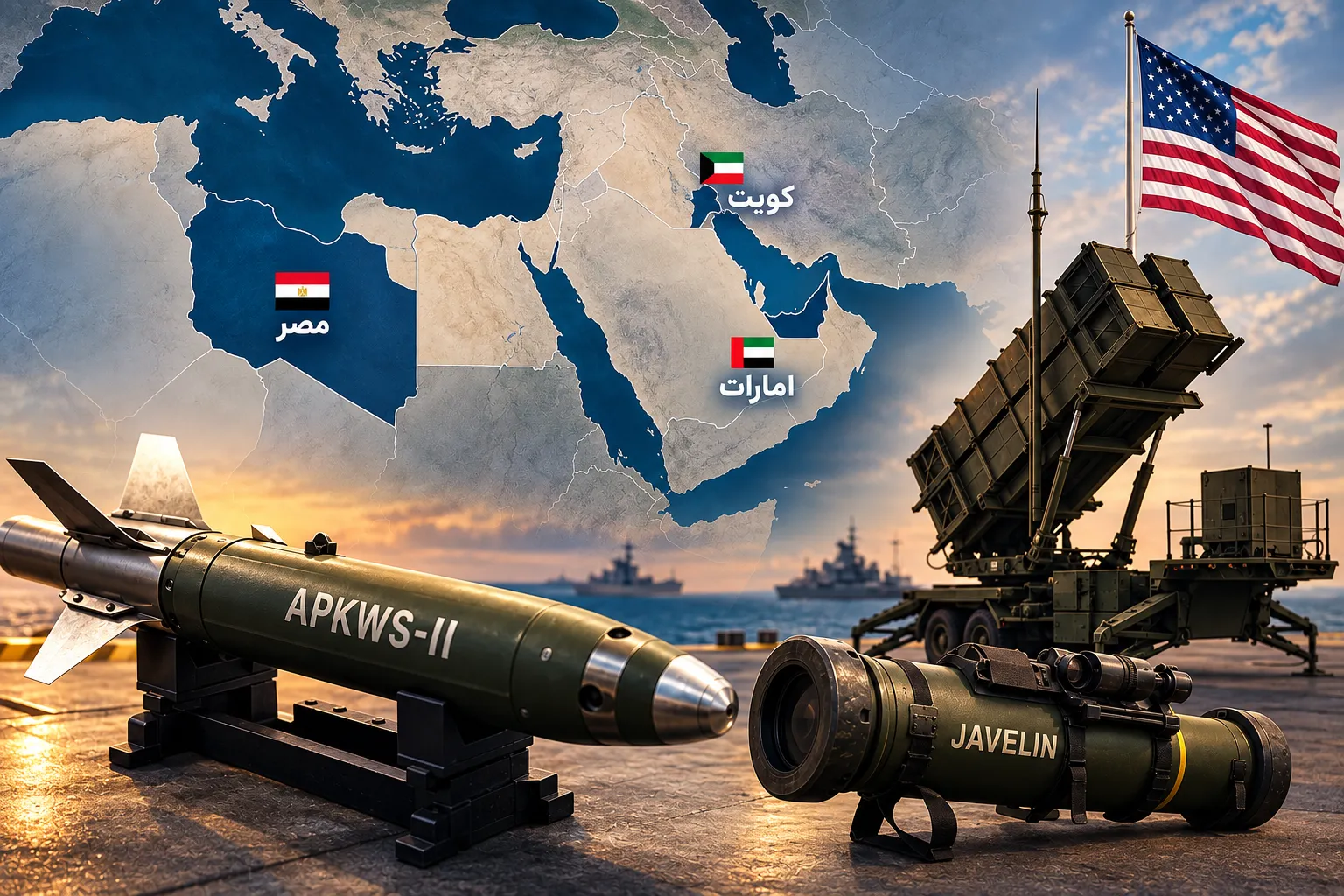
The US State Department has also approved $400 million in services to repair and return Kuwait’s Patriot missiles, as well as the sale of 2,020 Javelin anti-tank missiles to Egypt for $832 million. The three deals are worth a combined total of about $2.27 billion, with the UAE accounting for the largest share.