
US Sanctions Key Dubai-Based Broker in Iranian Oil Sales, Citing Millions of Barrels Transferred Monthly
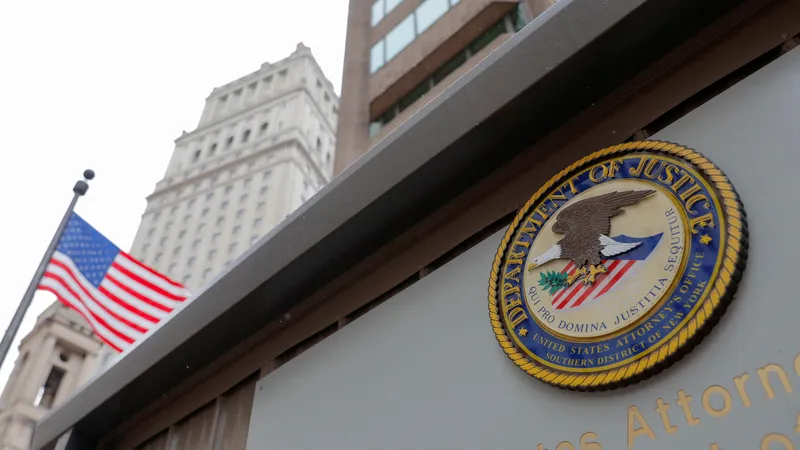
The US Treasury Department on Thursday, October 15, sanctioned Seyed Rouhollah Razavi, a Dubai-based key intermediary in Iranian oil sales, along with two Iranian companies linked to him. Washington says that before the United States imposed its naval blockade on Iran, Razavi was responsible for moving millions of barrels of crude oil each month to foreign markets on behalf of the National Iranian Oil Company and Naftiran Intertrade Company, and returning the proceeds to Iran through a network of intermediary companies, exchange houses, and cash and gold couriers.
According to an official statement from the US Treasury Department, Razavi is a key figure in Iran’s oil sales network. Based in Dubai, he worked with the National Iranian Oil Company and its subsidiary, Naftiran Intertrade Company, known as NICO, to sell oil and repatriate foreign-currency revenues.
The US Treasury Department alleged that Razavi’s network moved oil sale proceeds from Hong Kong to the UAE and Turkey through shell companies and Iran’s covert banking network. According to the department, the funds were converted into gold and cash in the UAE and Turkey before being transported to Iran on Mahan Air flights. Washington says the network also helped finance Tehran-backed groups.
The statement also said Razavi worked closely with Seyed Naimi Badreddine Mousavi, whom the US Treasury Department identified as a financier of Lebanon’s Hezbollah and a facilitator for the Islamic Revolutionary Guard Corps’ Quds Force. Mousavi was previously sanctioned on April 15, 2026.
Two Iran-based companies linked to Razavi sanctioned
The United States also sanctioned Tejarat Gostar Atlas Parsian Kish and Farzanegan Energy Pars for being owned or controlled by Razavi, or for acting on his behalf.
According to the Treasury Department, Razavi manages both companies, while Farzanegan Energy Pars is developing the Farzanegan gas condensate refinery in Bushehr province.
According to information from the US Office of Foreign Assets Control, OFAC, Razavi and both companies were added to the sanctions list on October 15.
OFAC’s identifying information lists Razavi as having been born in Qom on September 19, 1981. In addition to Iranian nationality, he is also listed as holding citizenship in Dominica and Turkey.
Family ties to the Stability Front
Another notable element of the US Treasury Department’s statement was its reference to Razavi’s family ties to the Stability Front.
Without naming the individual, the department identified Razavi as the son-in-law of one of the Stability Front’s leaders.
Persian-language media had previously cited sources as saying that Razavi is the son-in-law of Majid Motaghifar, a spokesperson and central council member of the Stability Front. Razavi’s name had also appeared in recent reports on intermediaries involved in Iranian oil sales, known as “oil trustees.”
Motaghifar had previously confirmed that he had a son-in-law named Rouhollah Razavi, but said he was not the state broadcaster presenter of the same name known as “Rouhollah’s Soldier.”
Impact of sanctions on Razavi and linked companies
The sanctions against Razavi and the two companies linked to him were imposed under US Executive Order 13902, which targets the financial and petroleum sectors of Iran’s economy.
As a result, all assets and financial interests belonging to Razavi and the sanctioned companies that are in the United States or under the control of US persons will be blocked. US individuals and companies are also prohibited from conducting transactions with them unless authorised or exempted.
The Treasury Department warned that foreign financial institutions could also face secondary sanctions and restrictions on access to the US financial system if they facilitate certain significant transactions for sanctioned persons.
The action is part of the broader Operation Economic Outcast, launched by the US government on August 24, 2026, to target networks involved in Iranian oil sales, foreign-currency transfers and sanctions evasion.
In the same round of sanctions, Washington also targeted several other banks, exchange houses and financial networks linked to Iran, including Iraq’s International Development Bank, Jazira International Bank in Kish and Chabahar International Bank.
The US Treasury Department accused Iraq’s International Development Bank of providing Iran with access to US dollars and facilitating the transfer of financial proceeds.