
Dubai Ranks Fifth for Economic Opportunities Among 80 Global Cities
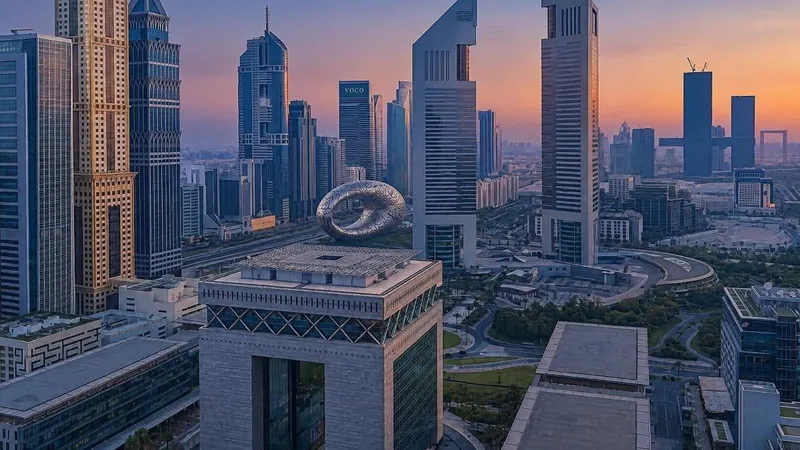
Dubai has ranked fifth globally for economic opportunities in a new study comparing 80 cities worldwide.
Boston Consulting Group’s “Cities of Choice 4.0” report shows that Dubai is the only Middle Eastern city among the world’s top five for economic opportunities. The assessment considered factors including household income, the business environment and the concentration of international companies.
Dubai also ranked ninth globally for government engagement and 12th for social capital. It took first place worldwide in the social connectivity subcategory.
The study assessed 80 cities across five areas: economic opportunities, quality of life, social capital, government engagement and speed of change.
According to Boston Consulting Group, Abu Dhabi and Dubai performed above the global average in nearly all indicators related to residents’ quality of life.
Dubai ranks fifth globally for economic opportunities
According to the report, high household incomes, positive perceptions of the business environment and the strong presence of international companies were key factors behind Dubai’s fifth-place ranking for economic opportunities.
Dubai residents also expressed above-average confidence in career advancement opportunities and access to financial services.
Boston Consulting Group said the study showed that the UAE outperformed several Western cities in some indicators related to career advancement and financial access.
Christian Schwaerzler, managing director and senior partner at Boston Consulting Group, said cities that succeed in the global competition to attract residents and talent are not simply those with the best infrastructure, but those where positive outcomes are felt in people’s everyday lives.
He added that economic opportunities and quality of life are not abstract measures, but among the most important reasons people choose a city in which to build their lives.
Dubai ranks first globally for social connectivity
Dubai ranked 12th globally for social capital, the highest position among the Middle Eastern cities included in the study.
The city ranked first worldwide in the social connectivity subcategory. According to the report, Dubai residents reported high levels of meeting friends, participating in social activities and engaging in acts of generosity.
Abu Dhabi also performed strongly in this area, with Boston Consulting Group reporting that the UAE ranked above the global average across all social connectivity subcategories.
Dubai also ranked ninth globally for government engagement. The indicator assesses areas including digital public services and residents’ satisfaction with government services.
Boston Consulting Group said the UAE was also among the world’s best-performing markets in this category, with a significant lead over the average for the cities surveyed.
Abu Dhabi and Dubai among global leaders for leisure
The report also placed Abu Dhabi and Dubai among the world’s leading cities for the amount of time residents spend at leisure venues.
They were the only two cities specifically identified as leaders in this category in the report’s global findings. Residents of Abu Dhabi and Dubai spend an average of nine to 10 hours a week at leisure venues.
According to the study, most UAE residents visit leisure venues several times a week.
Abu Dhabi and Dubai also performed above the global average in residents’ assessments of healthcare services and housing affordability.
Dubai leads 80 global cities in inbound tourist spending
Dubai recorded the highest level of spending by international visitors among the 80 cities surveyed.
Alongside Istanbul, it was also one of only two cities that significantly outperformed all others in international flight connectivity.
Boston Consulting Group also highlighted the growth of trips combining business and leisure, identifying Dubai as one of the cities benefiting most from the trend.
Suresh Subudhi, managing director and senior partner at Boston Consulting Group, said cities that combine strong digital infrastructure, resident-focused governance and a high quality of life are pulling ahead of their peers.
He added that the concentration of high-performing Middle Eastern cities in the speed of change category highlights the region’s growing role in shaping the future of global urban competitiveness.