
Strait of Hormuz Disruption Drives Up Cost of Shipping Goods to UAE Severalfold
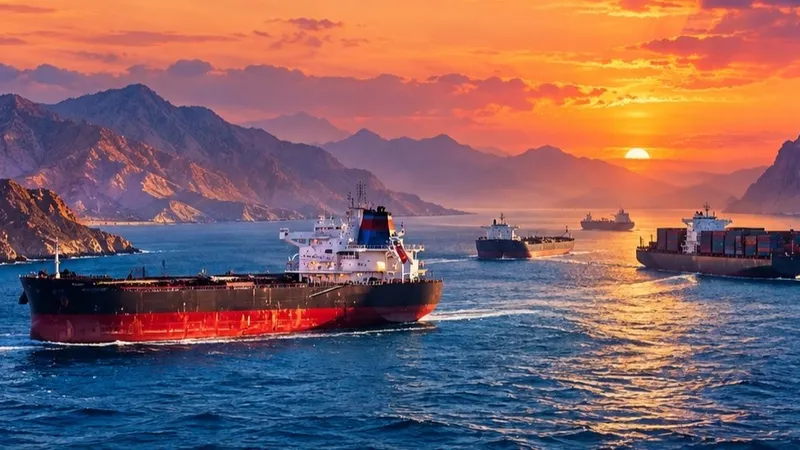
Disruption to shipping routes through the Strait of Hormuz has pushed the total cost of transporting goods to the UAE and the wider region to about three to five times normal levels. The increase is largely driven by surcharges, vessel diversions and reduced freight capacity rather than merely higher base shipping rates.
Ahmed Abdul Razzaq, vice-chairman of the UAE’s National Shipping and Logistics Committee, said transport costs had risen sharply in recent weeks. War-risk insurance premiums, conflict-related emergency surcharges, higher fuel consumption and cargo transshipment costs have all contributed to the increase. Costs also vary depending on the shipping company, port and route.
Following the disruption to maritime routes, some shipping companies have diverted cargo to the nearest safe port. Some containers bound for the UAE are initially unloaded at Fujairah, Khor Fakkan or Omani ports including Sohar and Salalah, before being transported by sea or road to their final destination, including Jebel Ali. These diversions have also increased customs clearance, overland transport and fuel costs.
Reduced vessel capacity is also adding pressure to the market. Some sailings are fully booked, others have been cancelled, and bookings on certain routes are increasingly being rolled over to later departures. According to the committee, costs remain high, but the normalisation of shipping routes could help bring them down.
Despite the disruption, UAE officials say essential goods remain available in the market, with food and other necessities given priority for customs clearance. Dubai has also activated alternative routes, with Dubai Customs’ Green Corridor moving more than 203,000 containers through alternative routes between March and June.
Meanwhile, the latest figures show that shipments of some energy products through the Strait of Hormuz improved in September, although security risks and higher transport costs persist.