
Do the Rejuvenation Treatments Dubai’s Wealthy Spend Up to AED 50,000 on Really Work? Dr Kiana Emamian: The Goal Is to Age Better
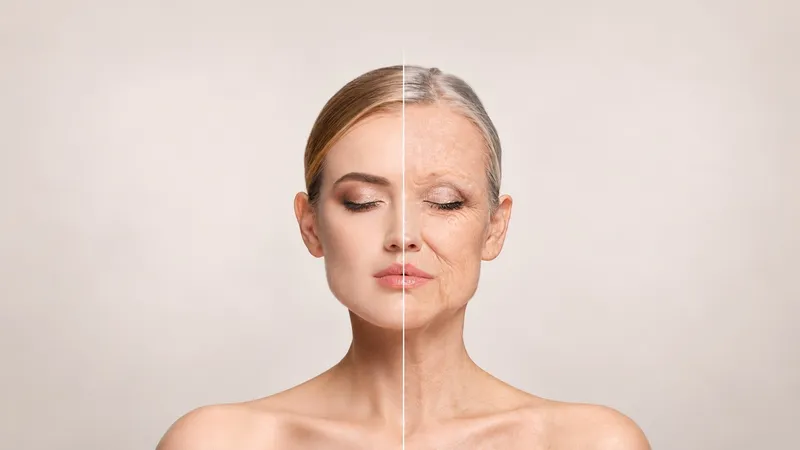
In Dubai, even the fight against ageing has become a high-end, expensive service. Residents can pay Dh50,000 to enrol in comprehensive longevity programmes that include blood tests, cardiovascular health checks, metabolic assessments, brain activity monitoring and personalised health plans.
These services aim to provide a more detailed picture of how the body ages and potentially identify ways to reduce age-related damage.
However, whether paying such a sum can genuinely help people live longer remains a key question.
The pursuit of longevity has become increasingly popular among Silicon Valley’s wealthy, from Bulletproof Coffee founder Dave Asprey, who has spoken of his ambition to live to 180, to American technology entrepreneur Bryan Johnson, who has spent more than $2 million a year on his health in an effort to combat ageing.
Johnson’s highly regimented daily routines, extensive testing and experimentation with unconventional treatments have made him one of the best-known figures in “biohacking”, or the optimisation of human performance.
Asprey, meanwhile, has also built a business around the idea of optimising human performance.
Dubai’s emerging longevity services market offers a relatively more accessible version of this approach, although it still requires tens of thousands of dirhams in disposable income.
What Do Dubai’s Dh50,000 Longevity Programmes Involve?
According to Dr Ksenia Butova, founder and chief executive of Dubai’s Longevium clinic, patients at the centre spend an average of about Dh5,000, although more comprehensive programmes can cost Dh50,000 or more.
“Many of our clients are entrepreneurs, executives and active men and women who are accustomed to investing in themselves,” Butova told Arabian Business.
Patients often seek help for issues such as persistent fatigue, weight gain or high cholesterol, but a growing number are now looking to better understand their broader health risks.
The most expensive programmes offer services such as extensive laboratory testing, cardiovascular health assessments, hormone and metabolic evaluations, body composition analysis, cognitive function assessments and physical fitness testing.
Some assessments also use newer technologies, including AI-assisted skin analysis, electroencephalography (EEG) to measure the brain’s electrical activity, and VO2 max testing to assess aerobic capacity.
The main appeal of these services is their potential to identify health risks years before serious illnesses develop.
Butova explained that for a patient with high cholesterol, these assessments could lead to personalised blood lipid targets, dietary and exercise recommendations, medication where necessary, and follow-up testing.
She said: “Success should be measured against specific targets, including changes in cholesterol and ApoB levels, blood pressure, glucose metabolism indicators, body fat and muscle mass, as well as the symptoms that prompted the patient to visit the clinic.”
However, there is an important distinction.
Lowering harmful cholesterol or controlling high blood pressure can reduce known health risks, but paying a large sum for a battery of tests does not necessarily lead to better outcomes.
The key question is whether the test results actually lead to useful medical decisions.
A Different Anti-Ageing Approach at Aesthetic Clinics
Dr Kiana Emamian, an aesthetic and anti-ageing specialist at Highness Clinics, takes a different approach to the hypothetical budget of AED50,000.
She would allocate a significant portion of the budget to improving skin quality and stimulating collagen production through regenerative aesthetic treatments, while also incorporating medical assessments, nutrition, lifestyle changes and preventive care.
Emamian said: “The goal is to age better, not simply to look younger today.”
This distinction highlights the wide range of services now marketed under the banner of longevity.

Depending on the clinic a patient visits, Dh50,000 may be spent on a detailed cardiovascular risk assessment, aesthetic treatments or a combination of both.
However, these services do not necessarily offer the same medical value or effectiveness.
From smart rings to digital twins
The longevity industry is also benefiting from a generation of consumers accustomed to continuously monitoring their bodies.
Wearable devices such as Oura and WHOOP have made metrics including sleep quality, recovery levels and heart rate variability part of everyday conversations about health.
Botova, who uses both devices, believes these tools have increased patients’ involvement in managing their own health.
“Wearable devices have made health something we engage with every day,” she said.
She believes the next step is to integrate data collected from consumer devices into clinical assessments, which could help doctors identify patterns that might otherwise go unnoticed.
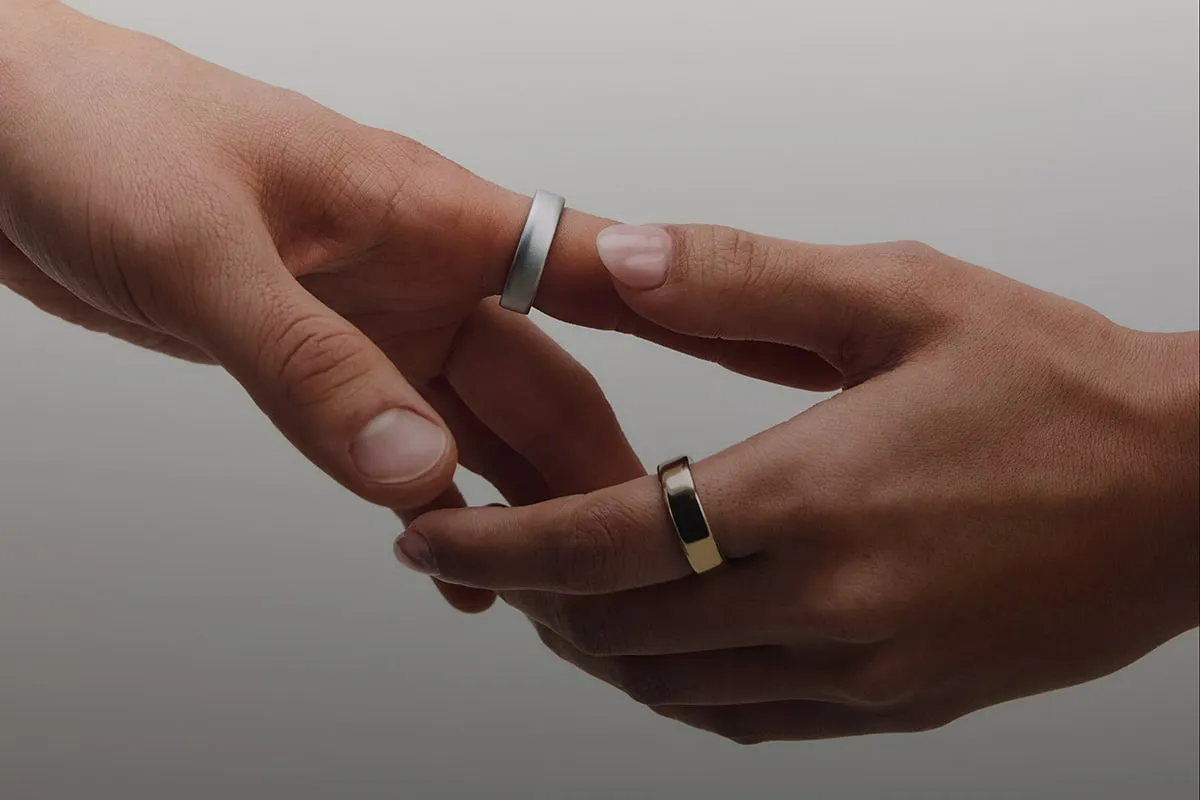
Among the technologies that Butova believes could transform the future of longevity medicine are predictive artificial intelligence, neurotechnology and organs-on-chips.
For example, AI-powered “digital twins” may one day be able to combine medical records, blood test results and data from wearable devices to create a digital model of an individual’s health and estimate how different interventions could alter their health risks.
Meanwhile, neurotechnologies are being developed to monitor and influence brain activity.
Organ-on-a-chip technology also allows researchers to study the body’s response to medicines using miniature laboratory models made from human tissue.
All three fields are attracting significant research interest, but they are at different stages of scientific development, and none alone proves that doctors can reliably reverse human ageing.
Butova also stressed: “Of course, the accuracy of such predictions must be validated separately for each clinical application.”
Which anti-ageing services are really worth paying for?
Even doctors working in longevity medicine acknowledge that parts of the industry lack robust scientific evidence.
Some preventive measures, including diagnosing and managing high cholesterol, high blood pressure and diabetes, are supported by decades of clinical research.
However, many products and services marketed as anti-ageing treatments have far less scientific evidence showing that they improve health or extend lifespan.
For example, biological age tests use biomarkers to estimate how quickly the body is ageing, rather than relying solely on a person’s chronological age.
However, achieving a favourable result in these tests does not prove that a person’s life expectancy has increased.
Emamian also warned that not every new regenerative treatment should be regarded as a major medical breakthrough.
According to Emamian, treatments that stimulate collagen production have proven cosmetic benefits, but popular so-called “salmon DNA” therapies marketed for skin repair and rejuvenation require further research to determine their effectiveness and how long the results last.
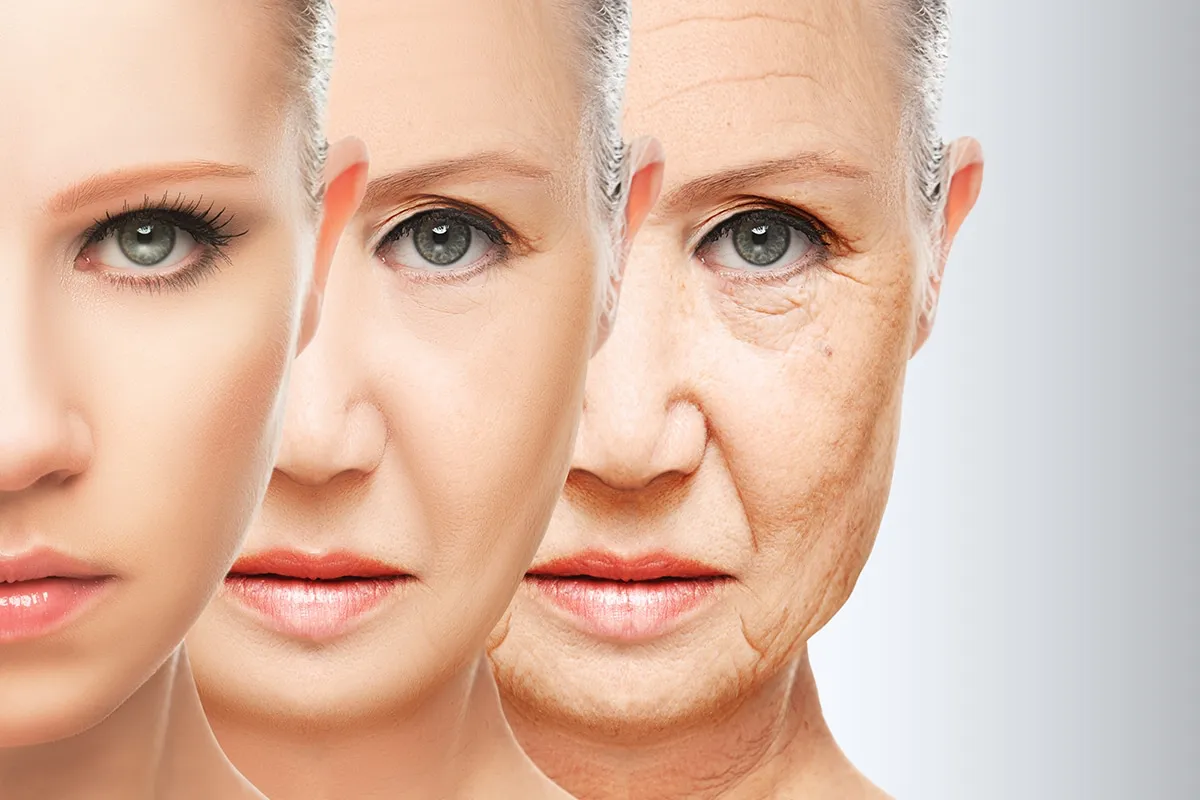
Even if a treatment improves the appearance of the skin, that does not necessarily mean it alters the biological ageing process throughout the body.
Butova said: “There is certainly a risk that people will spend substantial amounts of money without achieving meaningful results.”
She believes patients should understand exactly what outcome each treatment is intended to achieve, what scientific evidence supports it and how its success will be measured.
The secret to living longer may be far cheaper
In an industry built around expensive medical tests and services, one important fact remains: many of the most effective ways to improve long-term health are relatively inexpensive.
Regular physical activity, sufficient sleep, a balanced diet, avoiding smoking and properly managing established medical risk factors remain the foundations of preventive healthcare.
The World Health Organisation (WHO) has also stated that regular physical activity is associated with a lower risk of cardiovascular disease, type 2 diabetes and premature death.
Butova also acknowledges this contradiction.
She said: “I believe longevity is the new luxury.”
However, she stresses that healthy ageing can begin without spending money on advanced and complex treatments.
As Dubai patients become increasingly willing to pay for personalised medical services, clinics specialising in longevity have a significant commercial opportunity.
However, scientific uncertainty remains over how effectively these costly services can slow the ageing process or extend lifespan.