
UAE withdraws from investment participation in Rafale F-5 fighter jet project; disagreement over technology transfer.
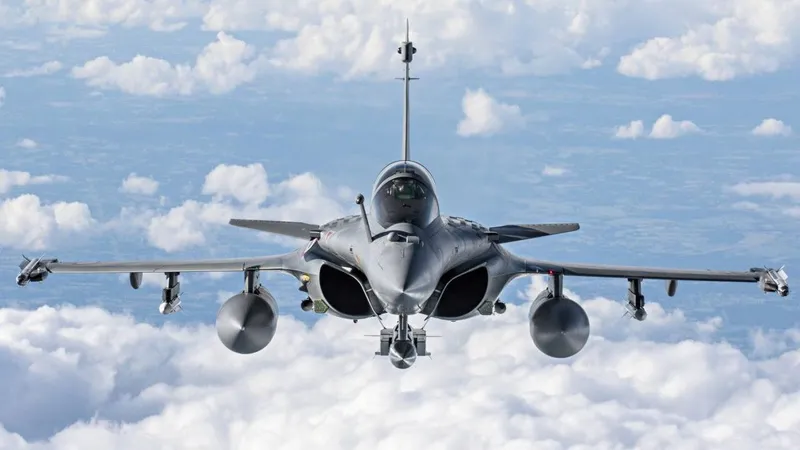
UAE Withdraws from Funding French Rafale F5 Fighter Jet
The United Arab Emirates has officially withdrawn from participating in the funding of the French next-generation fighter jet program, the Rafale F5. This decision was made after negotiations between the two countries over the transfer of sensitive military technologies reached a deadlock, dealing a significant strategic and financial blow to the €5 billion project.
Details of the Dispute Over Technology Transfer
According to defense reports, Abu Dhabi had previously announced its readiness to invest up to €3.5 billion (the bulk of development costs) in the project. However, Emirati officials demanded deeper industrial participation and access to the fighter's advanced technologies, particularly in the field of optronic systems.
In response, Paris, emphasizing its strategic independence and the Rafale F5's key role in carrying the next generation of French nuclear missiles and military deterrence, refused to relinquish these sensitive technologies. Reports indicate that high-level meetings in recent months have failed to resolve these deep differences.
UAE Shifts Approach to Military Contracts
This event marks a clear shift in Abu Dhabi's arms procurement strategy. No longer willing to play the role of a traditional buyer and seeking joint development rights and technology transfer, the UAE ultimately decided not to bear the heavy cost without receiving a clear technological and industrial return.
Financial Implications for France
With the UAE's withdrawal from the agreement, the French Ministry of the Armed Forces must now bear the entire €5 billion financial burden of developing the new Rafale standard alone. This will force Paris to revise its military planning law, which experts believe is likely to lead to a longer development process, pressure on the French defense budget, and delays in the delivery of these advanced fighter jets.