
Senior UAE diplomat Lana Nusseibeh nominated for UN secretary-general
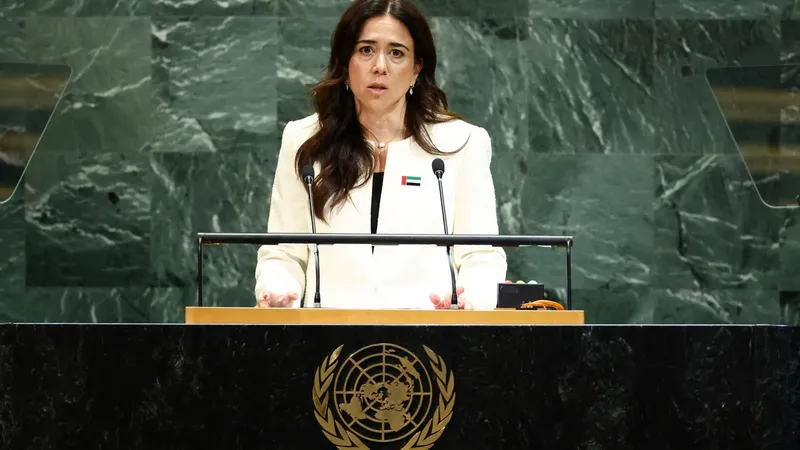
Lana Nusseibeh, a senior UAE diplomat who served as the country’s Permanent Representative to the United Nations for more than a decade, formally entered the race to succeed António Guterres on Wednesday, October 21. She pledged to use “quiet diplomacy” to prevent conflicts from escalating. If selected, Nusseibeh would become the first woman to lead the UN and the second Arab secretary-general after Egypt’s Boutros Boutros-Ghali.
UAE President Sheikh Mohamed bin Zayed Al Nahyan formally nominated Nusseibeh in a letter addressed to the presidents of the UN General Assembly and Security Council, in accordance with the approved procedure for selecting and appointing the secretary-general. According to the Emirates News Agency (WAM), the President highlighted Nusseibeh’s extensive UN experience, her sound judgement in addressing current international challenges and her strong record of constructive engagement.
Nusseibeh, a Minister of State at the UAE Ministry of Foreign Affairs, has taken leave from her government position to focus on the campaign. She said the decision reflected the independence the UN Charter requires of the secretary-general. Announcing her candidacy, Nusseibeh said: “I want to seek this office in the same way I would serve in it: speaking candidly with all governments and answering to none. I will make no exceptions for friends and hold no grudges against critics.” She warned that the wider the gap between promises and action, the more trust erodes and the capacity to act diminishes.
In her vision statement, Nusseibeh stressed that the UN should use “quiet diplomacy” to prevent conflicts from escalating. She said the organisation should help secure practical understandings that ease human suffering and create the conditions for broader political settlements. She proposed focusing on achievable “first agreements”, such as securing humanitarian access, prisoner exchanges and local ceasefires. In her view, these steps should be pursued consistently and compliance verified. Nusseibeh also called for regional organisations and mediators trusted by the parties to be involved in peace efforts. She said the UN does not need to lead every negotiation but should be ready to work with those best placed to make progress. Strengthening accountability, reducing duplication and focusing on measurable results are also central to her platform.
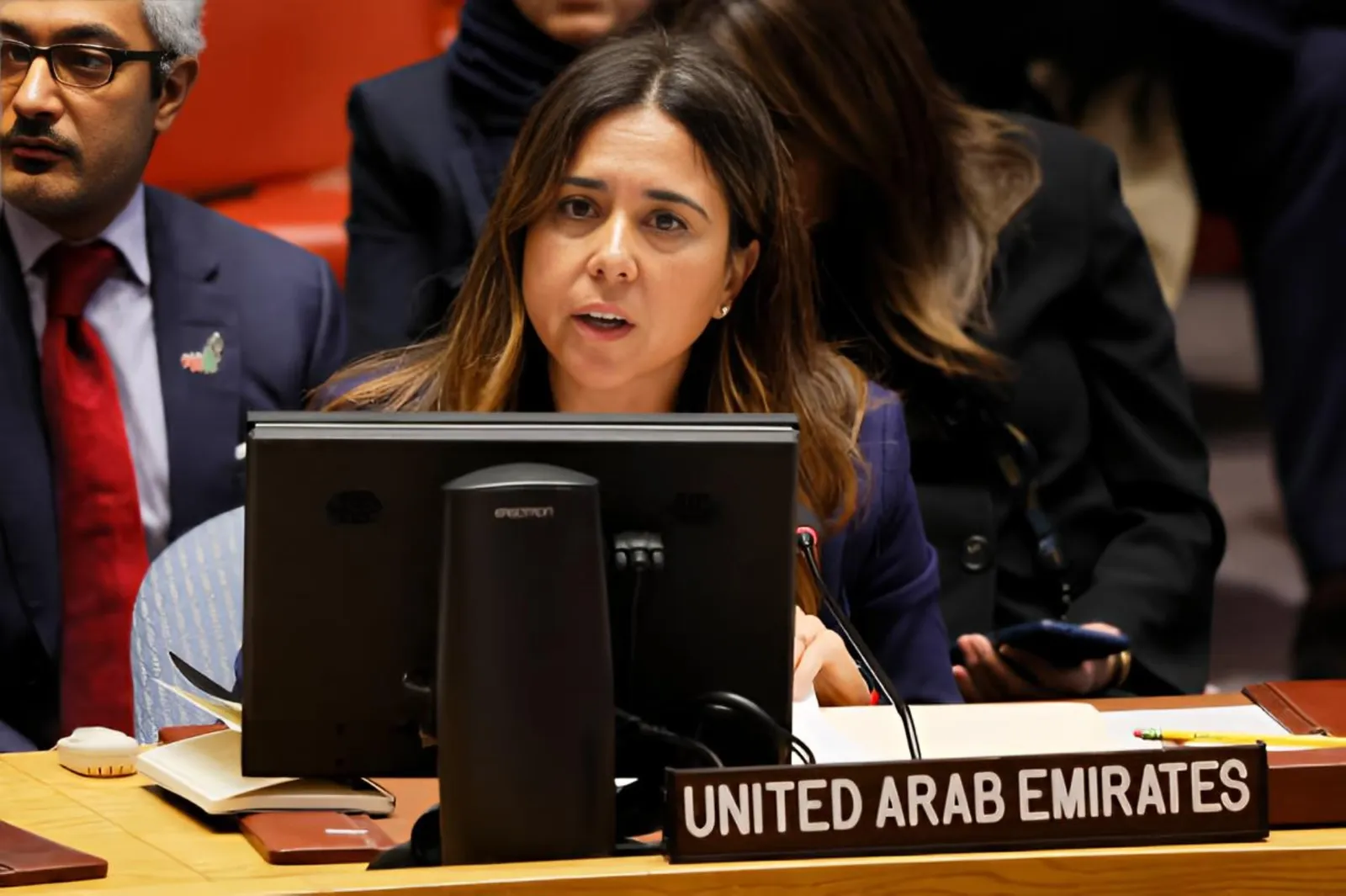
Nusseibeh told Reuters that several countries had asked her to run during the latest UN General Assembly session. She said the United Nations now needs a secretary-general who can transform it from a “spectator” of crises back into an organisation that resolves them, while bringing about “generational change”. She said it would be positive for the next secretary-general to be a woman, but her candidacy was motivated not by gender, but by “stubborn optimism” about the UN’s future.
Nusseibeh, 48, served as the UAE’s permanent representative to the United Nations from September 2013 to April 2024. During the UAE’s two-year term on the Security Council in 2022 and 2023, she twice served as the council’s president. Her record also includes serving as vice-president of the General Assembly, president of the UN Women Executive Board and co-chair of negotiations on Security Council reform. Nusseibeh said that in December 2023, she helped secure support for Resolution 2720 by arranging a visit to the Rafah crossing for current and incoming council members. The resolution paved the way for humanitarian aid deliveries to Gaza. Her father, Zaki Nusseibeh, is a cultural adviser to the UAE President.
Reuters reported that UN sanctions monitors had described allegations of UAE military support for Sudan’s Rapid Support Forces as “credible”, prompting criticism of the UAE over its role in Sudan. Abu Dhabi denies the claims. Asked by Reuters how the issue could affect her candidacy, Nusseibeh said she had taken leave from her position in the UAE government and would focus on Sudan’s humanitarian crisis.
Nusseibeh entered the race as the Security Council remained unable, after six rounds of informal voting, to agree on a candidate acceptable to all five permanent members: the United States, Russia, China, the United Kingdom and France. Diplomats said Rebeca Grynspan remained the frontrunner in the latest round, held on Friday, October 16, with nine votes in favour. Grynspan is a former vice-president of Costa Rica and secretary-general of UNCTAD, the UN’s trade and development body. She was followed by Rafael Grossi, director-general of the International Atomic Energy Agency, and Carolyn Rodrigues-Birkett, Guyana’s permanent representative to the UN, who each received eight votes in favour. However, every candidate received at least two opposing votes from permanent members, although these do not count as formal vetoes at this stage. Former Senegalese president Macky Sall withdrew from the race on Saturday, October 17, making Nusseibeh the seventh candidate. Reuters reported that council members were discussing whether to hold the next vote on Friday, October 23, or at a later date.
The successful candidate must secure at least nine votes from the Security Council’s 15 members and avoid a veto by any permanent member. The General Assembly then appoints the candidate on the council’s recommendation. Guterres’ second term ends on December 31, 2026, and the next secretary-general is due to begin a five-year term on January 1, 2027. Under the convention of regional rotation, a candidate from Latin America is expected to be selected this time. The Community of Latin American and Caribbean States, known as CELAC, also said in an October 13 letter that the time had come for someone from the region to become secretary-general. However, neither regional rotation nor the selection of a woman is required under the UN Charter.