
Experimental drug stops seizures in Dubai baby suffering 110 episodes a day
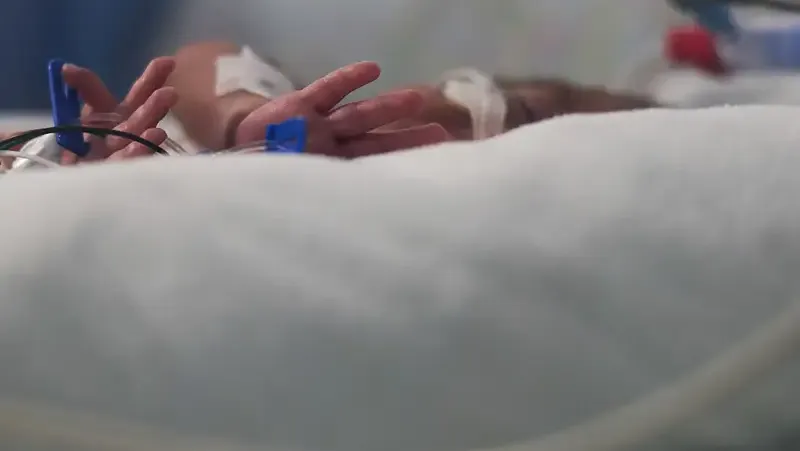
A baby who suffered around 110 seizures a day has remained seizure-free after receiving an experimental treatment at a Dubai hospital. Doctors said his seizures stopped just 30 minutes after the first dose.
The baby, named Adnan, has an extremely rare genetic form of epilepsy. He received the experimental drug at King’s College Hospital London – Dubai after seven previous treatments failed to adequately control his seizures.
The treatment was arranged within weeks through cooperation between the Emirates Drug Establishment, the Dubai Health Authority and the hospital, allowing the child to receive care in the UAE without having to travel abroad.
Adnan received his first dose of ABS-1230 on September 14 and was discharged from hospital on September 21. During follow-up assessments through October 11, no clinical seizures were observed, and the hospital said he remained seizure-free. Doctors have also reported progress in his growth and development.
According to the company developing the treatment, Adnan is the youngest patient in the world to receive ABS-1230 and only the second infant to be given the experimental drug.
However, doctors stressed that the treatment is still being assessed in international clinical trials and has not yet been approved for commercial use. They also cautioned that the response observed in this patient cannot be assumed to apply to others.
Genetic testing identified the cause
Adnan’s seizures began in the first days after birth and gradually became more severe and frequent despite treatment. Whole-genome sequencing identified a disease-causing genetic variant, helping doctors explore a therapy targeting the biological mechanism linked to his condition.
The medical team, led by Professor Obeid Shah, a paediatric neurologist and epilepsy specialist at King’s College Hospital London – Dubai, identified ABS-1230 as a potential treatment option.
The experimental oral drug targets the abnormal activity of an ion channel associated with this rare form of epilepsy.
Professor Shah said: “This is an extraordinary moment for us and demonstrates the potential of precision medicine when the genetic cause of a disease can be identified and a treatment selected to match its underlying mechanism.”
He added: “A child born in Dubai did not have to travel to London, Boston or Sydney to receive this advanced treatment.”
Approvals secured within weeks
The hospital sought access to the drug through a compassionate-use pathway, which provides special access to an experimental medicine for an individual patient, and submitted the required medical documentation.
The Emirates Drug Establishment reviewed the request and issued the necessary regulatory approval, while the Dubai Health Authority facilitated coordination between the relevant entities and completion of the required procedures.
After the medical, ethical and regulatory reviews were completed, the drug arrived in Dubai within weeks of the application being submitted.
Asma Al Sharif, chief executive of the Health Regulation Sector at the Dubai Health Authority, said the case demonstrated how cooperation between federal and local authorities and the private sector could accelerate access to advanced treatments.
She added: “This collaboration demonstrates our healthcare system’s ability to combine a rapid response with responsible regulation. By drawing on advanced medical capabilities and expertise, it can make a tangible difference to patients’ lives, particularly in rare and complex cases.”
Ahmed Al Humairi, director of the Import and Export Department at the Emirates Drug Establishment, also said that once the required procedures had been completed, the approval enabled the patient to access the treatment within weeks.
Patient monitoring continues
Adnan continues to receive regular outpatient follow-up care. A multidisciplinary team is monitoring his neurological condition, electrical brain activity, heart health, growth and development.
Professor Shah said: “Despite the promising response to treatment, we will continue to monitor him closely to determine whether these results are sustained over time and whether the experimental treatment is safe.”
He also urged families to seek medical advice if they notice symptoms that could indicate seizures in a child, stressing the importance of early diagnosis and specialist care.