
Dubai to equip delivery motorcycles with cameras and smart technology in second half of year
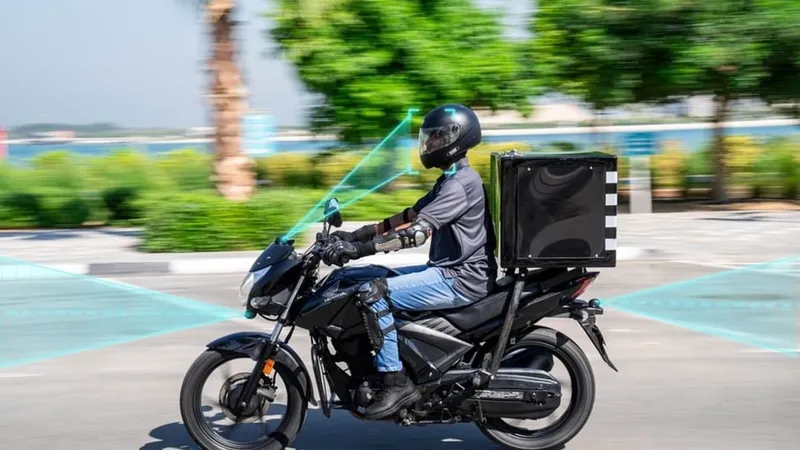
Dubai plans to launch a smart system to monitor delivery motorcycles, with companies operating in the sector required to install monitoring equipment on their bikes and connect their fleets to the system from the second half of 2027.
The initiative is part of efforts by Dubai authorities to improve road safety and regulate the city’s rapidly growing delivery sector.
The new integrated system, to be launched by Dubai’s Roads and Transport Authority (RTA), will use Internet of Things-enabled devices, advanced cameras and a smart digital platform to monitor rider performance.
The system will record and analyse speeding, sudden acceleration, harsh braking, riding patterns and routes travelled.
Installing the equipment and connecting fleets to the platform will remain optional until the end of the first half of 2027, giving delivery companies sufficient time to prepare their fleets and systems. Compliance will become mandatory after the transition period ends.
The initiative aims to strengthen oversight of delivery motorcycles on Dubai’s roads and help companies identify risky riding behaviour and take corrective action before accidents occur.
Real-time monitoring to replace traditional methods
Saeed Al Ramsi, Director of Licensing Activities Monitoring at Dubai’s Roads and Transport Authority, described the initiative as a significant shift in how delivery operations are monitored.
“The new system will transform the monitoring of delivery operations and includes a smart digital platform, Internet of Things-enabled monitoring devices and advanced cameras installed on delivery motorcycles,” he said.
According to Al Ramsi, the technology will collect and analyse data on speed, acceleration, braking, riding patterns and routes, allowing operational performance to be assessed more accurately and unsafe behaviour to be identified more quickly.
In addition to monitoring each rider’s journeys, the platform will provide delivery companies with real-time operational data, enabling them to manage their fleets more effectively.
Companies will also be able to identify rider behaviour patterns, assess performance and use real-world data to improve road safety training and awareness programmes.
Al Ramsi said the initiative reflects the RTA’s shift from traditional monitoring methods towards proactive, data-driven oversight based on smart analytics.
He added that the system was developed through continued collaboration with Dubai Police General Headquarters and other relevant entities, with the aim of balancing operational efficiency, safety and regulatory compliance.
Preparation period before system becomes mandatory
The first phase of the system’s implementation will be optional, giving companies sufficient time to make the technical and operational preparations needed to connect their motorcycles to the platform.
During this period, Dubai’s Roads and Transport Authority will work with delivery companies and other relevant entities to facilitate preparations and implementation.
The RTA said the system will also create an integrated operational database that can be used to develop future regulations, strengthen field inspections and promote safer, more sustainable practices across the sector.
Al Ramsi stressed that technology alone would not be sufficient to achieve the initiative’s objectives, and that regulatory authorities, delivery companies and riders all have a role to play in improving safety.
The initiative comes as delivery services have become an increasingly prominent part of daily life in Dubai, with delivery motorcycles operating extensively across residential and commercial areas, as well as on the city’s main roads.
By combining real-time monitoring with fleet management tools, Dubai’s Roads and Transport Authority aims to increase corporate accountability, strengthen compliance with traffic regulations and improve safety for delivery riders and other road users.