
Gargash Calls for Direct Iran-Arab Dialogue on Region’s Future
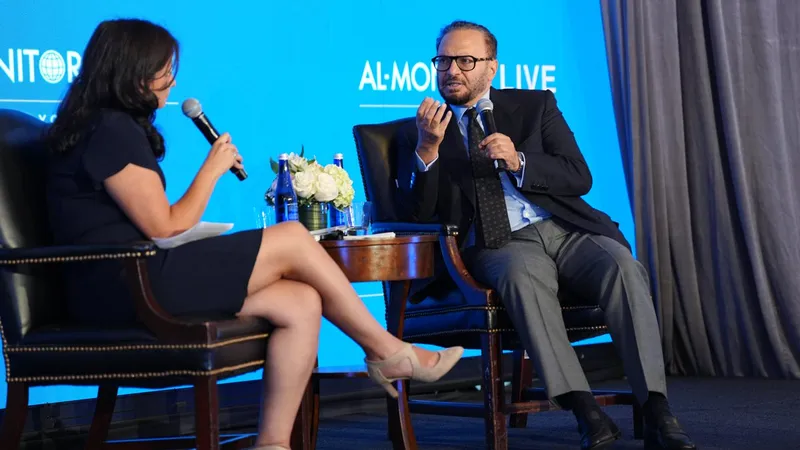
Anwar Gargash, diplomatic adviser to the UAE President, called for direct dialogue between Iran and Arab states on the region’s future, saying strategic issues related to regional security, stability and development should not be addressed solely in talks between Tehran and Washington.
Speaking on Sunday, September 20, 2026, at an Al-Monitor-hosted event in New York ahead of the high-level meetings of the United Nations General Assembly, Gargash said relations with Iran required “a fresh perspective”. He said Iran viewed itself as the region’s dominant power and preferred to discuss major strategic issues with the United States.
He stressed that discussions about the future regional countries want, the kind of stability they seek and how they can pursue development should take place between Iran and Arab states, just as they do between Iran and the United States.
Gargash said the region could not continue moving from one crisis to another and that regional countries should play a greater role in shaping future security and political arrangements.
The UAE President’s diplomatic adviser also predicted that the current conflict could be prolonged, although its intensity may fluctuate. He added that the UAE and other countries in the region were likely to face an Iran marked by instability for some time, affecting how neighbouring states engage with Tehran.
Gargash nevertheless stressed the need to continue pursuing diplomacy, saying it was time to intensify political efforts to find a solution. He also said Iran must be prepared to compromise to reach a new agreement aimed at ending the war, adding that refraining from hostile actions was particularly important to the UAE.
He also said Arab countries and regional governments had played a limited role during the war and that Gulf Cooperation Council members had missed an opportunity to establish an effective, coordinated position. Gargash called for renewed efforts to forge a common stance, saying greater coordination could strengthen regional countries’ leverage in negotiations.