
Oil tanker captains’ monthly pay in Strait of Hormuz reaches $100,000, with $50,000 bonus per passage

As attacks on ships in the Strait of Hormuz intensify, some tanker owners are offering captains monthly salaries of up to $100,000, plus a separate $50,000 bonus for each passage, to persuade them to continue operating on the high-risk route. The sums are more than six times captains’ usual pay and come as tanker attacks reach their highest weekly level since the war began in February.
The Financial Times reported on October 6, citing three sources familiar with tanker owners and their crews, that tanker captains typically earn about $15,000 a month. However, the threat of Iranian missile and drone attacks has prompted some shipping companies to offer significantly higher payments as “hazard pay” to retain staff.
The pay increases are not limited to captains. Rank-and-file seafarers, some of whom earn about $1,500 a month, typically receive twice their normal pay when operating in the southern Red Sea and the Gulf of Oman. The rate rises further for passages through the Strait of Hormuz, reaching four to six times their usual salary.
The trend began several months ago. Bloomberg reported on July 20 that South Korean shipping company Sinokor, the world’s largest owner of very large crude carriers, had offered crew members the equivalent of six months’ additional salary if they agreed to make a round trip through the Strait of Hormuz to load oil in Saudi Arabia or Iraq and discharge it in the Gulf of Oman. According to documents reviewed by Bloomberg, the voyage takes about one month.
One Financial Times source said the voyages were so dangerous that seafarers viewed colleagues willing to cross the Strait of Hormuz “almost as mercenaries”. However, the high pay does not always mean such assignments are accepted voluntarily.
Manoj Yadav, secretary-general of the Forward Seamen’s Union of India, told the Financial Times that some shipowners were pressuring crew members who refused to cross the Strait of Hormuz, in addition to offering large sums. He said some companies threatened to replace those who objected and even deduct repatriation costs from their salaries.
Yadav described the seafarers’ predicament: “Seafarers stand to lose something either way. If they refuse, they may lose their jobs; if they agree, they may lose their lives.”
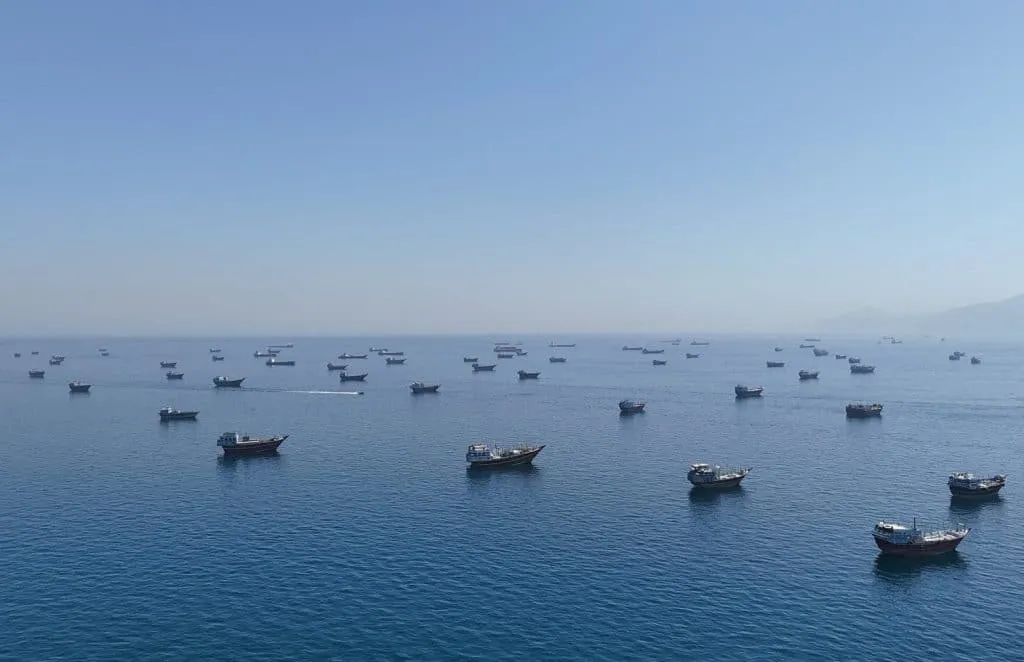
Oil Shipping and Vessel Insurance Costs Hit Record Highs
Higher crew wages are only one part of the soaring cost of transiting the Strait of Hormuz. According to the Financial Times, daily tanker charter rates for transporting cargo through the waterway reached a record $1.3 million this week, compared with between $20,000 and $50,000 last year.
War-risk insurance costs have also risen sharply. Insurance brokers say tanker owners operating in the region are now paying, in some cases, the equivalent of 6 to 10 per cent of a vessel’s hull value for war-risk coverage. For a very large crude carrier, the cost could reach $20 million for a single voyage to the region.
Marine fuel prices have also increased significantly. According to data from Argus, the price of fuel oil used by large tankers at the UAE’s Port of Fujairah reached $686 per tonne on Monday, October 5, up 67 per cent from the same period last year.
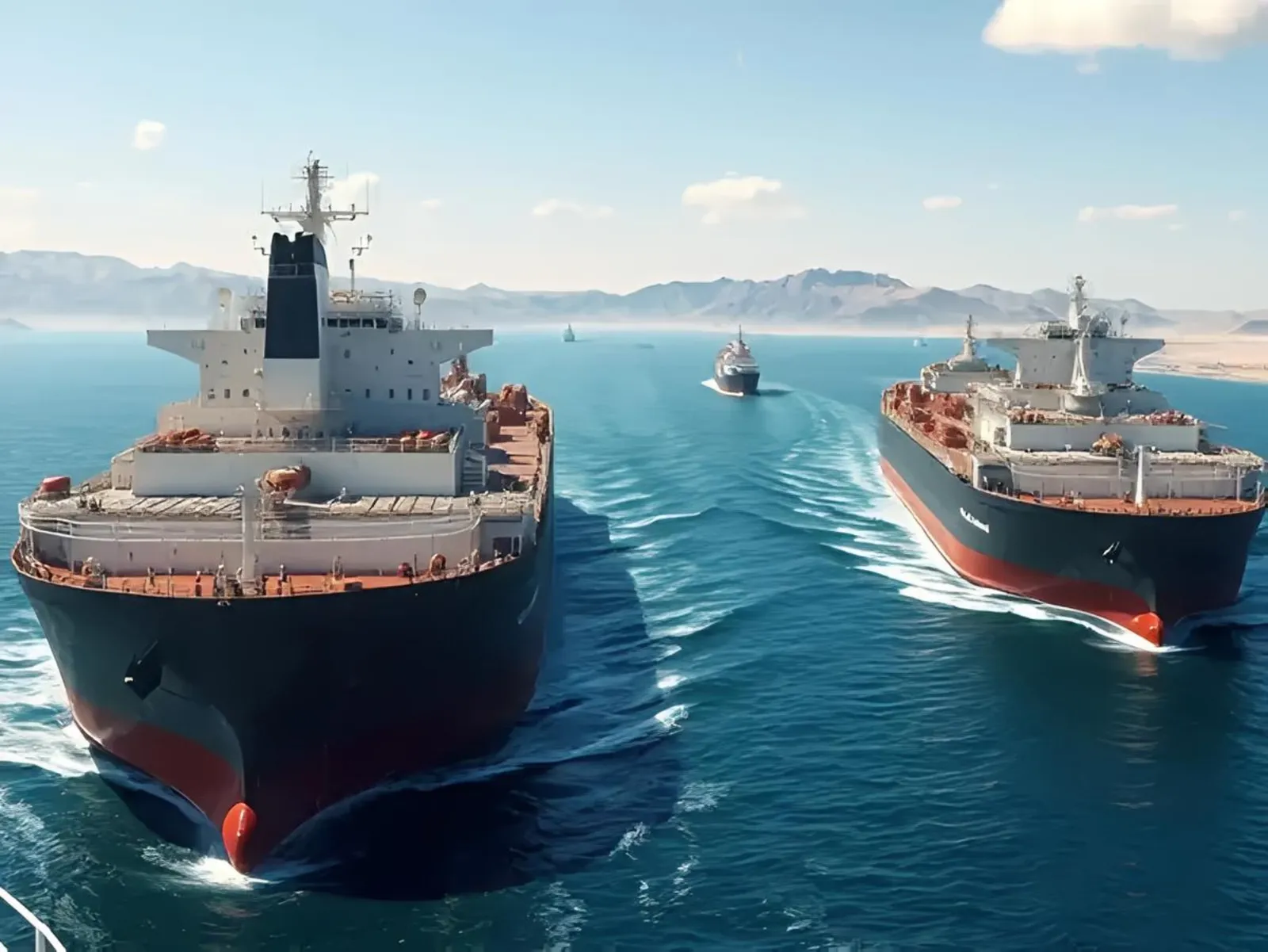
How Oil Tankers Continue to Navigate the Strait of Hormuz
Despite security risks, some shipping companies continue to operate along the route. According to the Financial Times, South Korea’s Sinokor, Greece’s Dynacom, the Abu Dhabi National Oil Company (ADNOC) through its shipping fleet, and the Kuwait Oil Tanker Company are among those whose vessels continue to transit the Strait of Hormuz.
A significant share of these operations involves tankers that continuously travel between the region’s oil ports and waters off Fujairah in the Gulf of Oman. The vessels load oil at Gulf ports and, after passing through the Strait of Hormuz, transfer their cargo to tankers waiting in the Gulf of Oman.
As a result, some crew members work for several consecutive months at higher wages but remain exposed to the risk of attack throughout that period.
Many vessels also transit the strait at night with their Automatic Identification Systems (AIS) switched off to reduce the risk of detection and being targeted. Since May, the United States has provided air-defence coverage for vessels using the southern route near Oman’s coast, although this support has been limited to specific time windows since September.
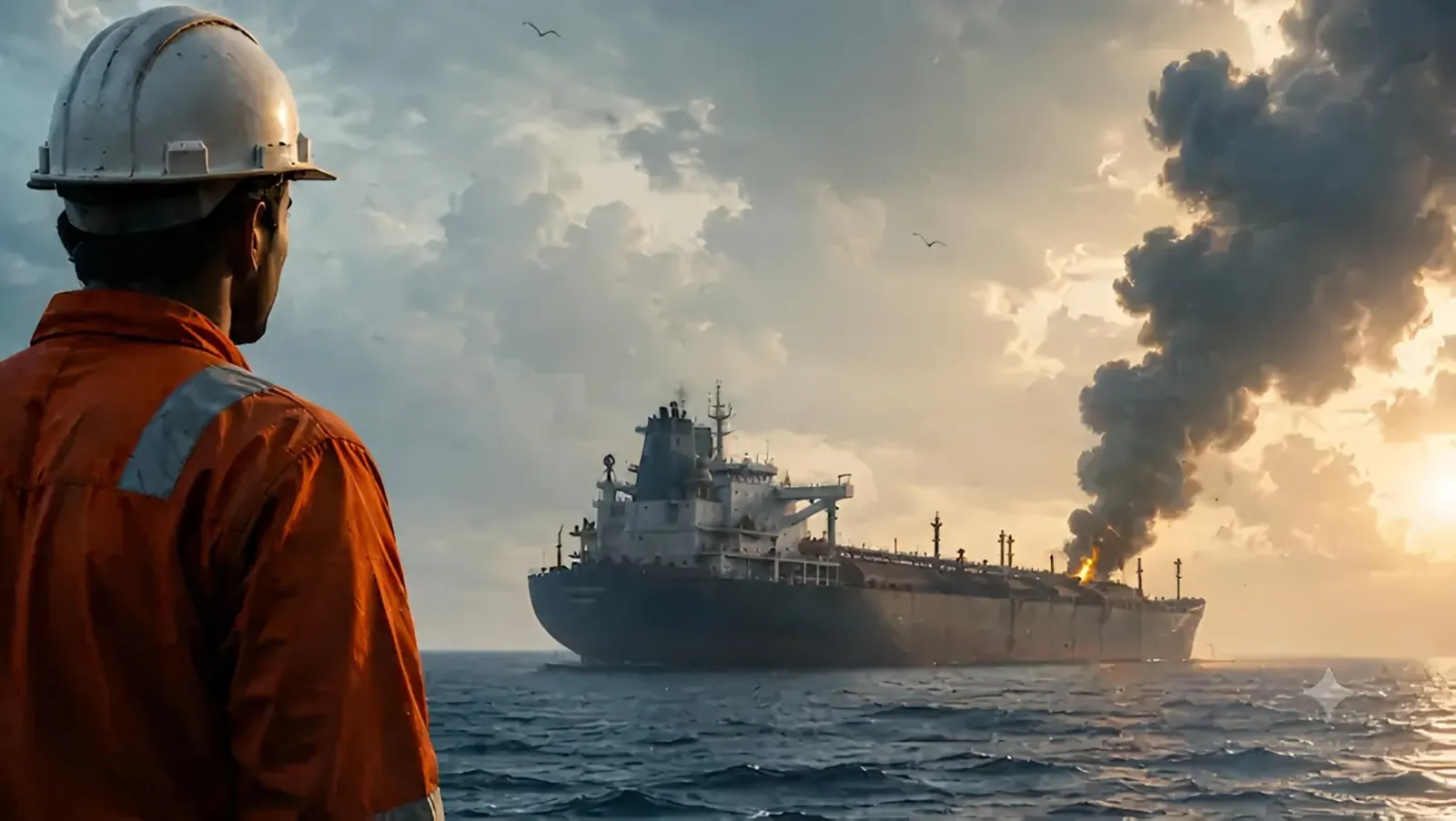
93 Confirmed Incidents and 24 Deaths Since War Began
The increase in additional hazard payments comes amid escalating attacks on commercial vessels. The Financial Times, citing maritime security firm Vanguard, reported that at least 14 attacks were recorded near the Strait of Hormuz between September 20 and October 6, including four since Saturday, October 3.
Reuters, citing three maritime security sources, also reported that at least 12 attacks targeted oil tankers and gas carriers near the Strait of Hormuz between September 28 and October 5 — the highest weekly figure since the war began on February 28.
According to official figures from the International Maritime Organization, 93 incidents involving vessels in the Strait of Hormuz and other Middle Eastern waters were confirmed between the start of the war and October 6, leaving 24 seafarers dead.
In one recent attack, the Panama-flagged tanker On Peace was struck by an unidentified projectile while passing through the Strait of Hormuz on Tuesday, October 6. India’s Ministry of External Affairs said 12 of the vessel’s 19 crew members were injured, including 11 Indian nationals. Oman’s military dispatched a helicopter and evacuated 10 of the injured crew members for treatment.
In the latest incident, the UK Maritime Trade Operations centre said on the evening of Wednesday, October 7, that a tanker had been struck by several projectiles about 51 nautical miles north of Madinat ash Shamal, Qatar, with casualties reported. The vessel’s identity and the exact number of casualties were not specified in the initial report.
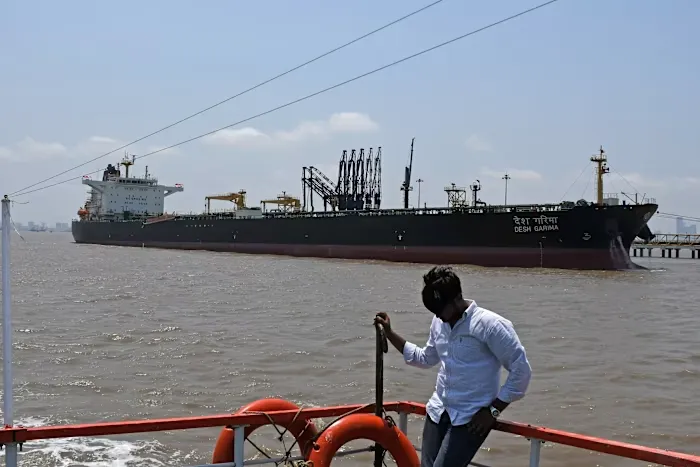
Ship Traffic Falls to Lowest Level in More Than Two Months
Intensified attacks have also sharply reduced shipping traffic through the Strait of Hormuz. According to the latest data from maritime analytics firm Kpler, published by Reuters on Thursday, October 8, only seven commercial cargo vessels passed through the waterway on Tuesday, October 6, the lowest number since July 23.
The number rose to 10 vessels on Wednesday but remained far below pre-war traffic levels. Kpler’s figures do not include vessels that have switched off their automatic identification systems.
Before the war, around 125 large commercial vessels passed through the Strait of Hormuz each day. The route carried about one-fifth of the world’s crude oil and liquefied natural gas supplies.
Despite the sharp decline, Kpler data shows that crude oil exports through the Strait of Hormuz still stand at around 10.1 million barrels per day, equivalent to 74 per cent of pre-war levels. Increased exports through alternative routes, including ports on the Red Sea and the Gulf of Oman, have also helped regional producers offset some shipping restrictions.