
Strait of Hormuz Tanker Attacks Hit Highest Weekly Level Since War Began
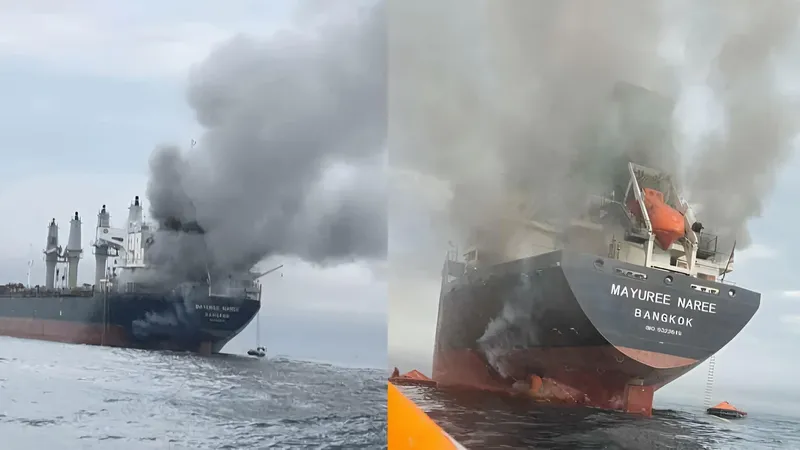
Attacks on oil tankers and other energy carriers around the Strait of Hormuz reached their highest weekly level since the war between Iran, the United States and Israel began. Maritime security sources said at least 12 attacks on vessels carrying crude oil, liquefied natural gas and liquefied petroleum gas were recorded in the area between September 28 and October 5.
Reuters, citing three maritime security sources, reported that this was the highest number of attacks recorded in a single week since the war began on February 28. The closest comparable figure was recorded in a week in mid-July, when the International Maritime Organization documented eight incidents.
The US Navy-led Joint Maritime Information Center also said attacks, attempted attacks and harassment of vessels were continuing. According to the centre, recent incidents have included drone flights over commercial ships, surveillance operations and radio communications initiated by Iran’s Islamic Revolutionary Guard Corps. The centre assessed that such activity indicated Iran’s efforts to maintain a presence along key shipping routes and sustain pressure on vessels in transit.
However, the International Maritime Organization’s official figure for the same period was lower. The UN agency recorded nine maritime incidents between September 28 and October 5. Maritime security sources said the discrepancy may be due to the IMO taking longer to investigate, verify and formally record incidents.
One of the most serious recent incidents involved the Panama-flagged tanker One Peace. The vessel was struck by a projectile of unknown origin while transiting the Strait of Hormuz on Tuesday, October 6, injuring 12 crew members, including 11 Indian nationals. Omani authorities transferred the injured to Khasab for treatment. India condemned the attack and called for an end to attacks on commercial vessels, seafarers and civilian infrastructure. The National reported that the tanker is owned by Dubai-based shipping company Onex.
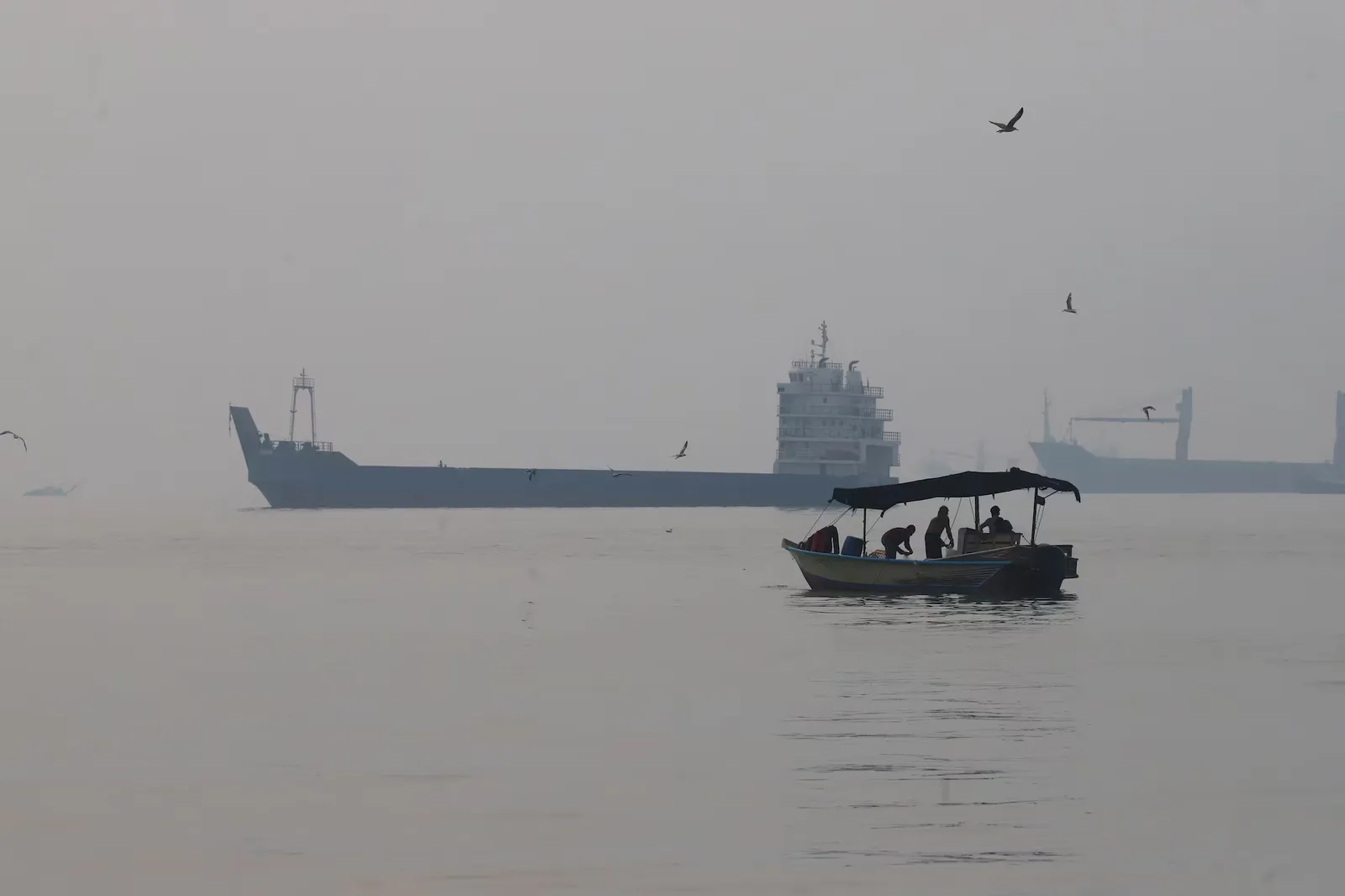
The surge in attacks comes as regional oil exporters have increased shipments in recent weeks. Data from Kpler showed the seven-day moving average of regional crude oil exports reached about 18.3 million barrels per day on September 30, with export volumes exceeding pre-war levels on 14 days in September. The figures include oil transported through the Strait of Hormuz and the Red Sea, exports from regional terminals, and ship-to-ship transfers in the Gulf of Oman.
Despite the rise in exports, risks to commercial shipping and crews remain high. The International Maritime Organization said on September 16 that it had confirmed 80 attacks on commercial vessels in and around the Strait of Hormuz since the war began on February 28. The attacks killed at least 22 seafarers and injured several others.
As attacks intensify again, Iranian officials have also stressed their control over the strait. Mohammad Reza Naqdi, an adviser to the commander of the Islamic Revolutionary Guard Corps, said on Wednesday that Iran would soon close routes in the Strait of Hormuz that it considers “illegal”. Reuters reported that he was referring to the southern route near Oman’s coast. The remarks came as the IRGC rejected claims that oil flows through the Strait of Hormuz had resumed with assistance from the US Navy.
A fresh maritime incident was reported just hours after the release of a report on the weekly record number of attacks. The United Kingdom Maritime Trade Operations said on Wednesday evening that a tanker about 51 nautical miles north of Qatar had been struck by several projectiles. The agency reported casualties but did not specify whether people had been killed or injured, nor did it provide a number. Those responsible for the attack had not been identified at the time of publication.
The continued attacks, as regional countries seek to increase energy exports again, have raised doubts about the sustainability of the recovery in regional oil and gas flows. The simultaneous rise in exports and security threats shows that, despite a marked improvement in energy flows, shipping conditions in the Strait of Hormuz remain fragile and high-risk.