
Arab States Boost Oil Exports Through Hormuz with 230-Tanker Fleet; UAE Waters Play Key Role
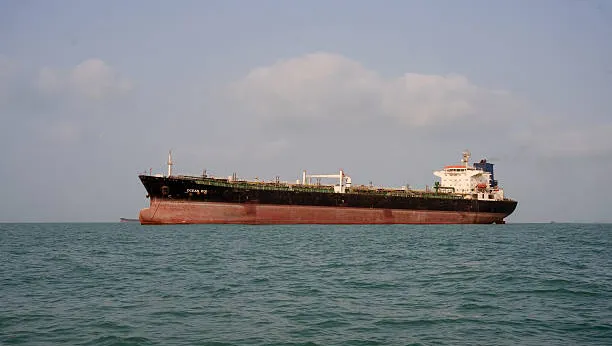
Gulf oil-producing states have assembled a network of nearly 230 tankers, creating a new route to maintain and increase oil exports through the Strait of Hormuz. The vessels transit the strait’s southern corridor with their tracking systems switched off, transferring much of their cargo to other tankers in waters near the UAE and Oman. Estimates show that loadings of non-Iranian crude from terminals west of the Strait of Hormuz reached about 11 million barrels per day in October, more than seven times the May level.
According to maritime intelligence company Windward on Wednesday, October 28, 2026, the network, dubbed the “Arab Dark Fleet”, comprises tankers owned, managed, chartered or controlled by Gulf national oil companies and their trading and shipping subsidiaries. The system is designed to reduce reliance on the spot tanker charter market and maintain exports amid security threats in the Strait of Hormuz.
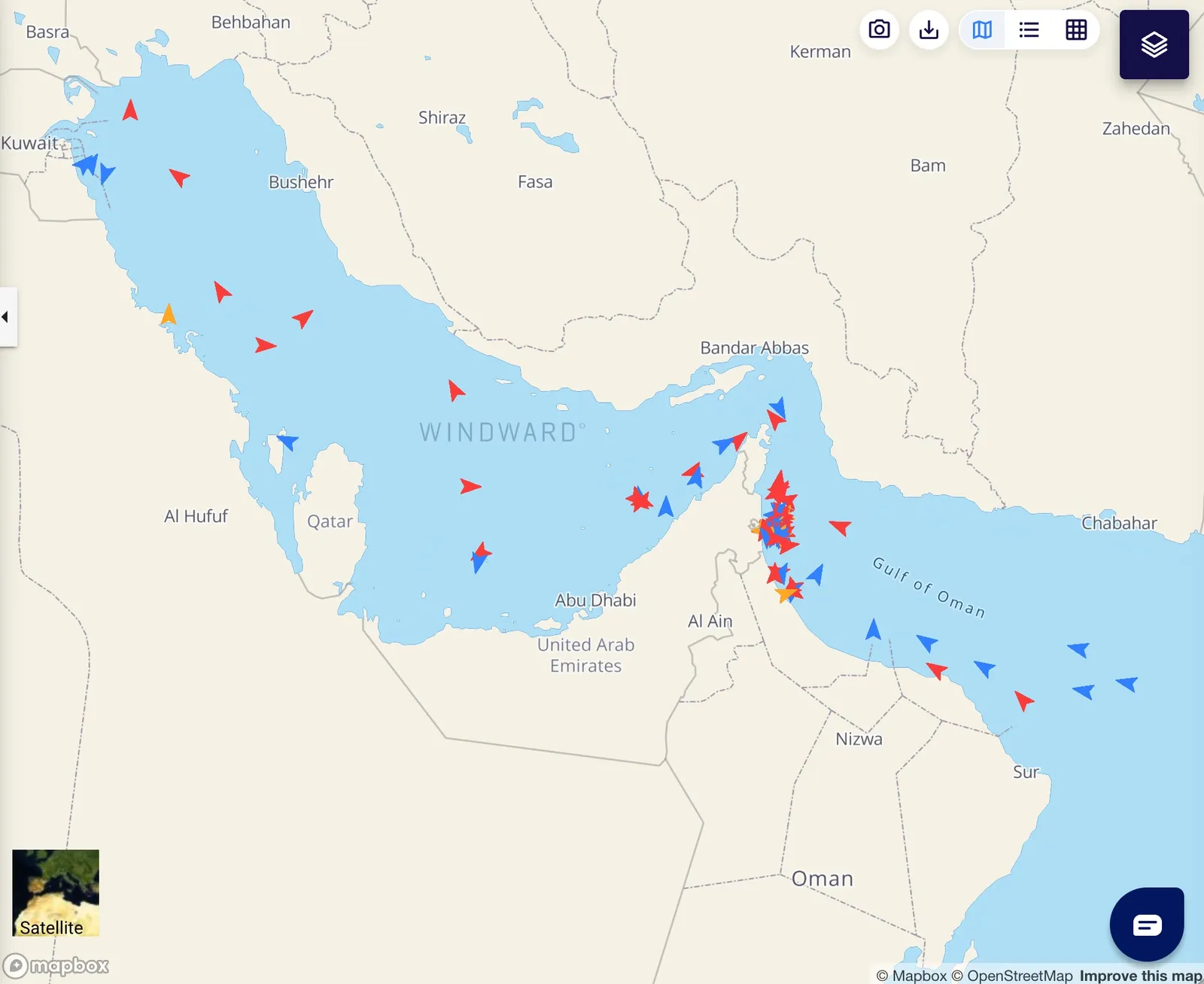
About 80% of the fleet consists of very large crude carriers, or VLCCs. After loading at oil terminals inside the Gulf, the vessels generally switch off their Automatic Identification Systems and travel, often under cover of darkness, through the southern corridor of the Strait of Hormuz in Omani waters. Windward said the transits are conducted with US military support.
The tankers then transfer their oil to other vessels in ship-to-ship transfer zones near the coasts of the UAE and Oman, allowing the cargoes to continue to global markets. Waters near the UAE have consequently become a key link in the Gulf states’ new oil export network.
Windward data shows that 70% of the tankers in the fleet experienced at least one period of AIS blackout over the past three months, lasting an average of 12 days. About 10% disappeared from conventional tracking systems for more than four weeks. Windward said the practice was primarily a security measure intended to reduce the risk of detection and attack, stressing that switching off tracking systems does not necessarily indicate illegal activity.
One of the network’s most significant players is a major South Korean tanker company with a fleet of more than 100 vessels, around 70 per cent of which operate within the new network. The company’s tankers account for nearly 30 per cent of the 230-vessel fleet, making it the network’s largest operator.
According to Windward data, companies owned by Gulf national oil firms are the ultimate beneficial owners of 36 per cent of the fleet’s vessels. In addition, 40 per cent of the ships sail under the Liberian flag and 11 per cent under the Marshall Islands flag.
Preliminary data from oil market analytics firm Vortexa shows that loadings of non-Iranian crude from terminals west of the Strait of Hormuz reached about 11 million barrels per day in October. In May, when Gulf states began making extensive use of the southern route, the figure stood at just 1.56 million barrels per day. Despite the sharp increase, current volumes remain below the pre-war level of around 14.5 million barrels per day.
The network’s expansion has also imposed significant costs on global oil shipping. Windward estimates that the fleet’s operations have tied up around 15 to 20 per cent of global very large crude carrier capacity at any given time. In addition, 15 per cent of the network’s vessels have undergone a change in registered ownership over the past three months, while one of the region’s national shipping companies has spent nearly $2 billion on tanker acquisitions.
Windward assesses the emergence of this network as one of the most significant shifts in Gulf oil transport management since the Tanker War of the 1980s. The change indicates that regional countries are moving away from relying solely on private shipping companies and towards directly controlling transport capacity and using costly but manageable maritime routes to safeguard oil exports.