
UAE Markets This Week: Dubai Stocks Jump 4.4%
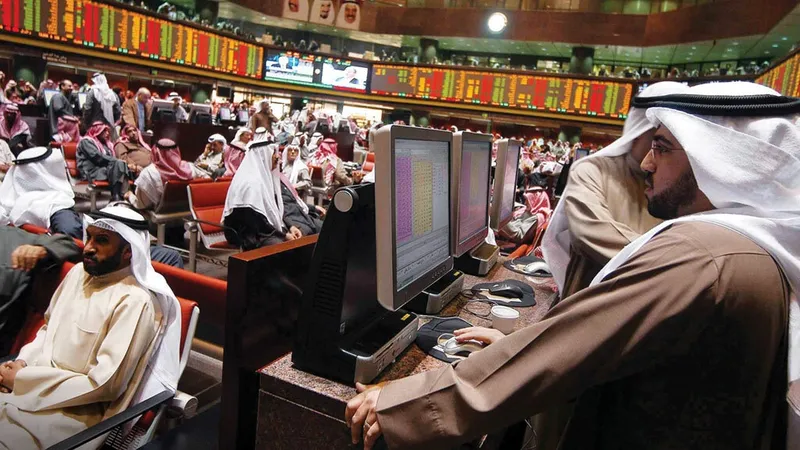
Dubai’s stock index rose 4.42% to 6,025.55 points in the trading week ending Friday, November 6, 2026, recording its strongest weekly gain in more than six months. In contrast, Abu Dhabi’s index fell 0.78% to close at 9,392.60 points. Gains in banking and property stocks, particularly after Emaar announced plans to acquire the remaining shares in Emaar Development, were the main drivers of the Dubai market.
According to official data, the Dubai Financial Market index climbed 254.82 points, from 5,770.73 at the end of the previous week to 6,025.55. The FTSE Abu Dhabi Securities Exchange index fell 73.74 points, from 9,466.34 to 9,392.60.
The combined value of trading on the two markets reached about AED 12.7 billion across five sessions from Monday, November 2, to Friday, November 6. According to the latest report by Emarat Al Youm, the Dubai market recorded more than AED 6.19 billion in trades involving about 1.25 billion shares across 98,129 transactions. In Abu Dhabi, trading value exceeded AED 6.49 billion, with about 1.54 billion shares changing hands across 137,847 transactions.
Emaar and Bank Shares Surge as Dubai Market Value Rises
Dubai’s biggest gain came on Wednesday, November 4, when the index climbed 3.96%, or 229.88 points, in a single session. Trading value that day reached about AED 2.10 billion. The increase accounted for more than 90% of the index’s total point gain for the week.
The market capitalisation of companies listed in Dubai rose by about AED 43.83 billion during the week, increasing from AED 957.89 billion to more than AED 1 trillion.
Among Dubai’s market sectors, the property index gained 11.76%, banks rose 3.63% and industrial stocks advanced 2.37%.
Emaar Development recorded the Dubai market’s biggest gain, surging 21.29% during the week to AED 14.70. Emaar Properties rose 9.84% to close at AED 12.50.
One of the week’s most significant developments was Emaar Properties’ announcement of plans to make a cash offer for Emaar Development shares. According to an official disclosure published by the Dubai Financial Market, Emaar intends to acquire shares not already owned by it or its subsidiary at AED 15 per share. The potential value of the offer is estimated at up to AED 12 billion, subject to the necessary approvals.
In the banking sector, Emirates NBD shares rose 8.15% to AED 31.60. Dubai Islamic Bank gained 4.16% to close at AED 7.26.
Other gainers included Amlak Finance, up 16%; Etihad Energy, up 8.14%; and Salik, up 4.4%.
In contrast, Watania International recorded the Dubai market’s steepest weekly decline, falling 6.9%. Aman shares dropped 5.64%, while Unikai Foods lost 4.86%.
Emaar Properties recorded Dubai’s highest weekly trading value at about AED 2.89 billion, followed by Emaar Development at AED 1.36 billion. The two stocks attracted the bulk of liquidity in the property sector.
Abu Dhabi Falls Despite Gains in Banks and Property Companies
On the Abu Dhabi Securities Exchange, International Holding Company was among the main drags on the index, falling 5.8% during the week to AED 320. The company also recorded the market’s highest weekly trading value at about AED 702 million.
Despite the index’s decline, several Abu Dhabi banking and property stocks posted gains. Abu Dhabi Islamic Bank rose 8.45% to AED 21.56. First Abu Dhabi Bank gained 3.67% to close at AED 19.20, while Abu Dhabi Commercial Bank advanced 2.12% to AED 16.40.
In the property sector, Aldar shares rose 2.2% to AED 7.95. ADNOC Gas gained 3.5% to close at AED 3.24.
Burjeel Holdings recorded Abu Dhabi’s biggest weekly gain, with its shares rising 20.37% to AED 1.30. In contrast, NMDC Group posted the steepest decline, falling 10.5% to close at AED 22.82.
After International Holding Company, the stocks with the highest weekly trading values were ADNOC Gas at AED 248.7 million, First Abu Dhabi Bank at AED 212 million and Abu Dhabi Commercial Bank at AED 130 million.
Foreign Capital Flows into Dubai Market
Non-Arab foreign investors recorded net purchases of AED 666.4 million on the Dubai Financial Market, while UAE investors posted net sales of AED 605 million.
In Abu Dhabi, non-Arab foreign investors recorded net sales of AED 112.4 million, while investors from Gulf Cooperation Council countries posted net purchases of AED 93.3 million.
Amer Halawi, head of research at Al Ramz Capital, attributed the performance of the UAE markets to a combination of domestic and external factors, including corporate earnings, political developments and the proposed acquisition of Emaar Development shares.
However, both markets declined in the final session of the week. Reuters reported that growing investor caution over regional developments weighed on Friday’s trading. Dubai’s index fell 0.28% during the session, while Abu Dhabi’s dropped 1.34%.
Overall, Dubai posted a strong week, supported by gains in banking and property stocks, while selling pressure on several major Abu Dhabi companies prevented that market’s index from matching Dubai’s advance.