
IEA Forecast: UAE to Lead World in Per Capita Solar Power Generation by 2031
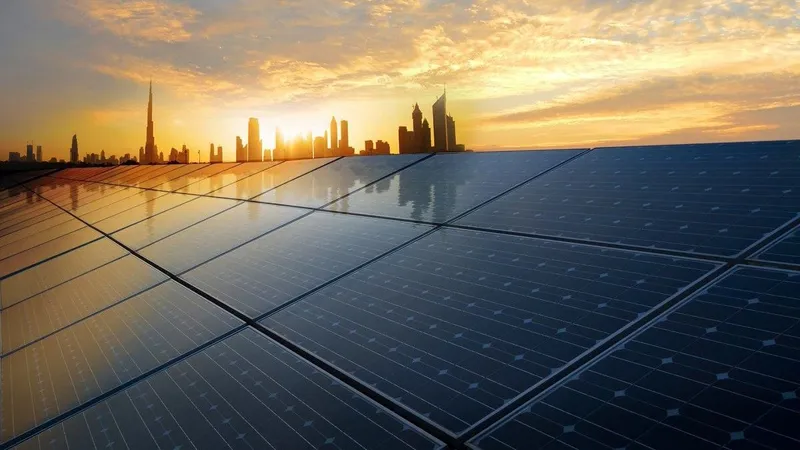
The International Energy Agency (IEA) has forecast that the UAE will rank first globally in per capita solar power generation by 2031. According to its latest report, the UAE’s annual solar electricity output will exceed 4,000 kilowatt-hours per person, more than five times the projected global average.
The forecast was published in the IEA’s annual Renewables 2026 report, which examines the outlook for global renewable energy development through 2031.
According to the report, the UAE will lead the world in per capita solar photovoltaic electricity generation, followed by Australia, Oman, Bulgaria and Qatar.
Solar Power Generation to Exceed 4,000 kWh Per Capita
The International Energy Agency forecasts that the UAE’s annual per capita solar power generation will exceed 4,000 kilowatt-hours by 2031.
By comparison, the global average for solar power generation per person is projected to be around 800 kilowatt-hours in the same year.
According to the report, the world’s top 10 countries will each generate at least 2,000 kilowatt-hours of solar power per capita in 2031.
The UAE is followed by Australia, Oman, Bulgaria and Qatar, with Greece, Austria, Spain, China and Chile ranking sixth to tenth.
The agency forecasts that global average per capita solar power generation will more than double by 2031, although a significant gap will remain between leading countries and the rest of the world.
It attributes this gap primarily to differences in the pace of solar power plant development and countries’ access to solar electricity generation.
However, the UAE’s top ranking is based on solar power generation relative to its population and does not mean it will become the world’s largest solar power producer by total output.
Renewable Energy Development Accelerates in the Middle East
An International Energy Agency report shows that renewable energy development in the Middle East and North Africa, Southeast Asia and sub-Saharan Africa will accelerate over the next six years.
According to the forecast, the pace of renewable power capacity growth across the three regions between 2026 and 2031 will be nearly three times that of the previous six-year period.
The agency also forecasts that total installed renewable energy capacity in the Middle East and North Africa will more than double during the period under review.
Saudi Arabia will be one of the main drivers of this growth, with the pace of its renewable energy capacity expansion expected to increase about fivefold during the forecast period.
The UAE has also been identified as one of the region’s leading drivers of renewable energy development, after Saudi Arabia.
The agency said these changes point to a structural transformation in the Middle East’s energy market, a region that has relied on fossil fuels for most of its electricity generation for decades.
UAE Aims to Raise Clean Energy Share to 35%
The UAE is pursuing plans to increase clean energy’s share of national electricity generation while expanding its solar projects.
Suhail bin Mohammed Al Mazrouei, UAE Minister of Energy and Infrastructure, announced in September 2026 that the country had raised its clean energy target for electricity generation to 35% by 2030-2031.
The target includes electricity generated from nuclear power as well as renewable sources such as solar energy.
According to Al Mazrouei, achieving the target will require new power generation projects, greater competition and broader opportunities for private-sector participation.
The UAE energy minister also said that falling renewable technology costs and advances in electricity storage systems had created more favourable conditions for expanding solar power plants.
Official data from the UAE Ministry of Energy and Infrastructure shows that the country’s installed renewable energy capacity increased from 129 megawatts in 2015 to more than 8.2 gigawatts in 2025.
Clean energy, including renewable sources and nuclear power, accounted for 32.4% of the UAE’s total electricity generation in 2025.
Global Renewable Energy Capacity to Rise 85%
The International Energy Agency has forecast that total installed renewable power generation capacity worldwide will increase by nearly 85% between 2025 and 2031.
Solar photovoltaic power will be the main driver of this growth, accounting for more than three-quarters of the global increase in renewable capacity during the period.
According to the report, more than 4,770 gigawatts of new renewable power generation capacity will be added worldwide between 2026 and 2031.
This is around 57% higher than the capacity added between 2020 and 2025.
China will remain the largest contributor to the expansion of global renewable energy capacity, while India will rise to second place in terms of new capacity additions.
The agency also forecast that renewables’ share of global electricity generation will increase from 33% in 2025 to around 43% in 2031.
This growth will be driven mainly by the expansion of solar and wind power.
Energy Security’s Role in Expanding Solar Projects
According to the International Energy Agency, concerns over security of energy supply, fluctuations in fossil fuel prices, supportive policies and the growing cost competitiveness of solar and wind power are among the key drivers of renewable energy development.
The agency said new national targets, energy security benefits and the increasing competitiveness of solar and wind technologies have led to significantly higher forecasts for renewable capacity growth in emerging and developing economies in some regions compared with last year’s report.
However, achieving these forecasts will depend on factors including the expansion of electricity transmission grids, investment in energy storage systems, project financing and the removal of infrastructure barriers.
Against this backdrop, the UAE’s projected rise to first place globally in per capita solar power generation by 2031 reflects the country’s growing role in renewable energy development. Achieving this position will depend on the implementation of planned projects and continued investment in the years ahead.