
Macron Arrives in UAE to Secure Fuel Supplies for France
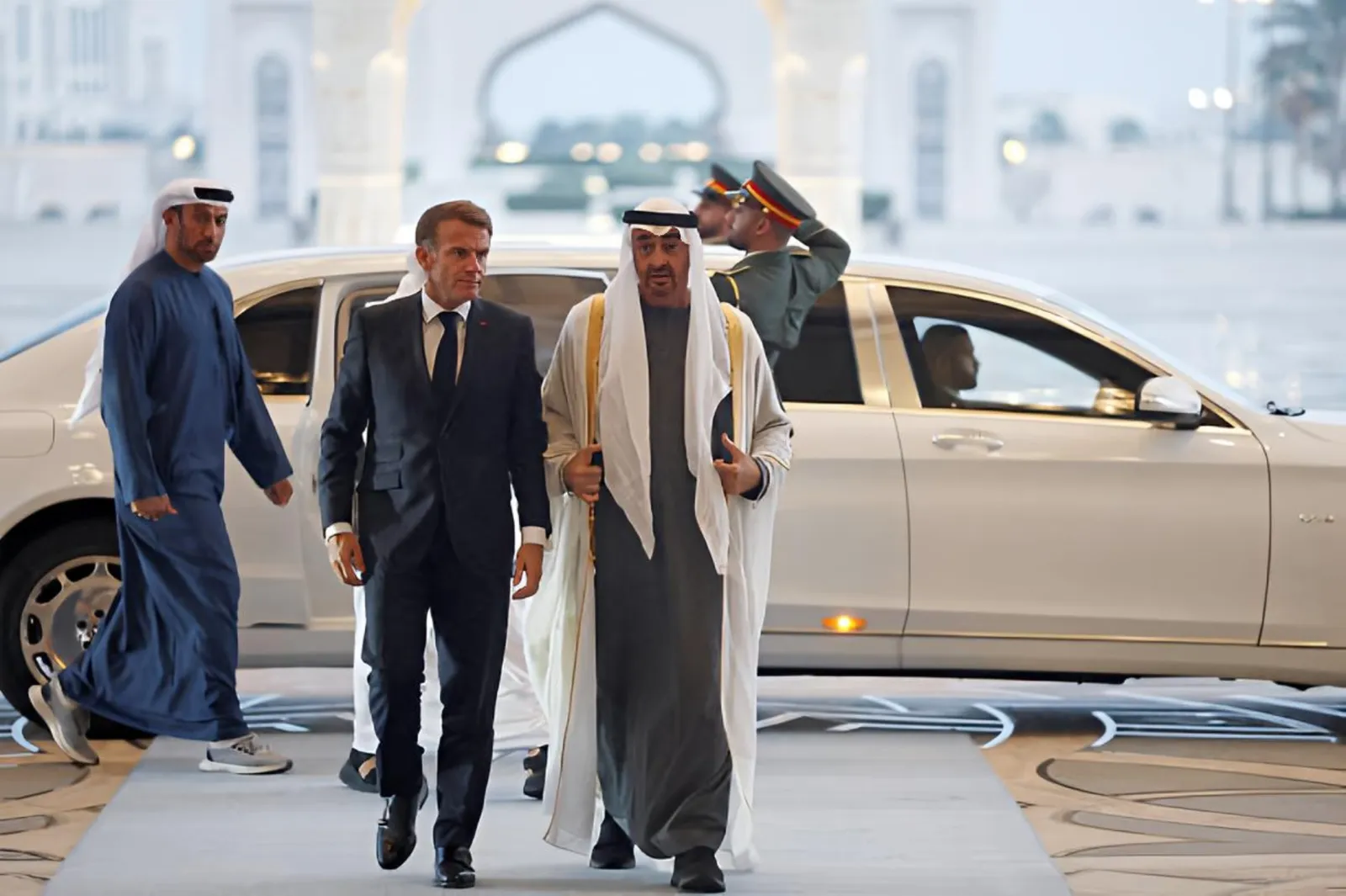
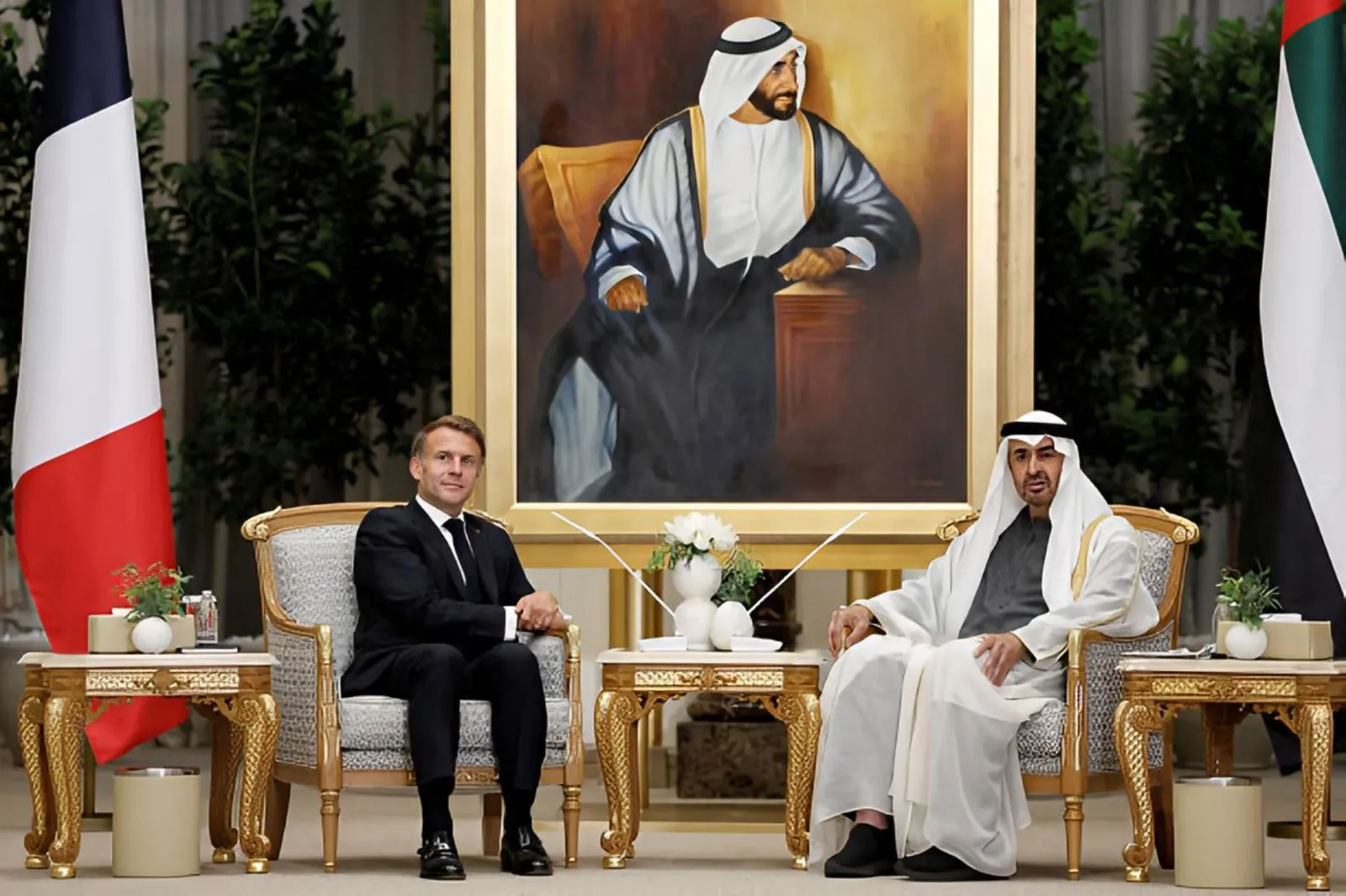
French President Emmanuel Macron arrived in Abu Dhabi on Monday, October 19, where he was received at the airport by UAE President Sheikh Mohamed bin Zayed Al Nahyan. The UAE is the second stop on Macron’s three-day tour of four Gulf Cooperation Council countries, aimed at securing additional oil and diesel supplies for France, easing pressure from rising fuel prices and seeking to restore shipping through the Strait of Hormuz. The visit comes just two days after widespread violent protests in French cities.
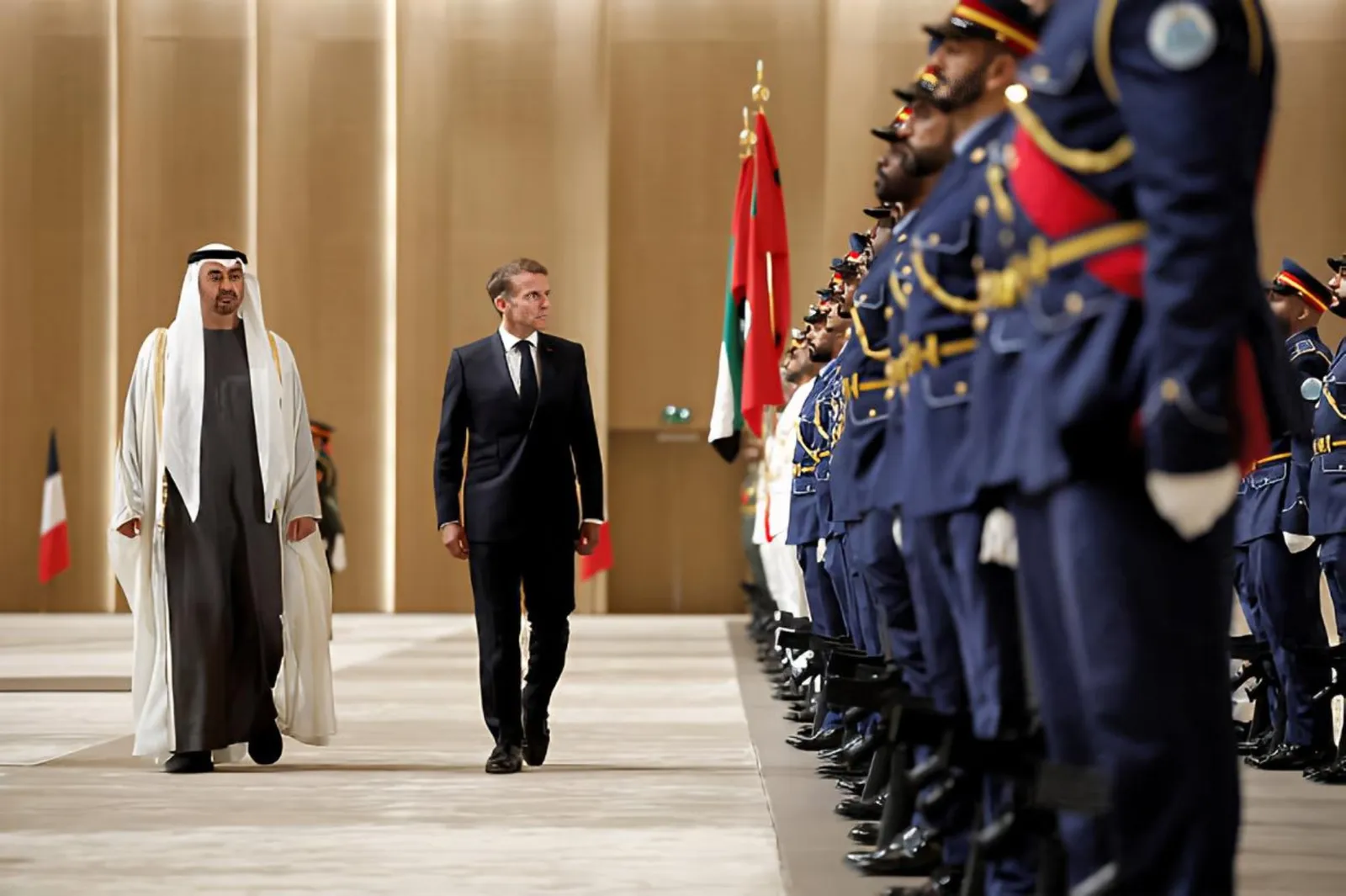
According to the Emirates News Agency (WAM), an official welcoming ceremony was held for the French president, featuring the national anthems of both countries and a guard of honour. Sheikh Khaled bin Mohamed bin Zayed Al Nahyan, Crown Prince of Abu Dhabi; Sheikh Hamdan bin Mohamed bin Zayed Al Nahyan, Deputy Chairman of the Presidential Court for Special Affairs; and Sheikh Mohamed bin Hamad bin Tahnoun Al Nahyan, Adviser to the UAE President, attended the ceremony alongside several ministers and senior officials.
The Élysée Palace said Macron is seeking commitments from regional countries to increase oil and diesel supplies to France. Other objectives include securing alternative energy sources, diversifying supply routes and mitigating the impact of the energy crisis on the daily lives of French citizens.
Under the announced agenda, Macron’s talks in the UAE will also focus on strengthening defence and security cooperation and advancing emerging technologies, particularly artificial intelligence. Economic meetings involving private-sector representatives from both countries are also scheduled.
Senior executives from two major French energy companies, TotalEnergies and Engie, are accompanying Macron on the trip. The head of the major AI venture Campus AI is also part of the delegation. The project, backed by a multibillion-dollar UAE investment, is being developed near Paris.
The French president’s regional tour comes as the US-Iran war, which began in late February, has severely disrupted oil and gas exports through the Strait of Hormuz and driven up global energy prices. Energy facilities in all four countries on Macron’s itinerary have also been targeted during the conflict.
The Élysée Palace said Macron would continue efforts in talks with regional leaders to restore stability and ensure freedom of navigation through the Strait of Hormuz. France and the UK previously proposed forming an international maritime coalition to protect vessels in the waterway, but the plan remains dependent on the US and Iran reaching a political agreement.
Meanwhile, France is facing one of its most severe waves of social unrest in recent years. Nationwide protests on Saturday, October 17, over the rising cost of living, higher fuel prices and the state of public services, particularly education, descended into clashes with police, fires and the looting of shops in several cities.
According to figures from France’s Interior Ministry, around 550,000 people took part in the protests, while organisers put the number at 800,000. More than 2,000 people were arrested as the unrest escalated.
In a televised address to the French people on Sunday evening, October 18, Macron expressed anger and shame over the violence and vowed that those responsible for vandalism and looting would be prosecuted. He also stressed that his visit to Gulf countries was essential to securing France’s energy supplies.
The trip went ahead despite calls from some opposition figures for it to be cancelled. The Élysée Palace said the president’s regional tour had been planned months in advance.
Before arriving in Abu Dhabi, Macron met Kuwait’s Emir, Sheikh Meshal Al Ahmad Al Jaber Al Sabah, on Monday. The two leaders held private talks for about 90 minutes, and the countries signed several cooperation agreements covering defence, aviation, investment and artificial intelligence.
The French president is set to travel to Bahrain after the UAE and conclude his regional tour in Qatar on Wednesday, October 21.
The UAE and France have had a comprehensive strategic energy partnership agreement since 2022. In February 2025, the two countries also established a broad framework for cooperation in artificial intelligence, including the development of large-scale data-processing infrastructure in France, with projected investment of up to €50 billion.
Macron last visited the UAE in December 2025, when he met Sheikh Mohamed bin Zayed at the Zayed National Museum. The two leaders also held talks on June 16, 2026, on the sidelines of the G7 summit in France.